


Every dog owner wants their pet to look clean, feel comfortable, and stay healthy — but knowing how often and how well to care for a dog’s coat, nails, ears, and skin can feel overwhelming. Grooming is not just about appearances; it is a critical part of a dog’s overall wellness routine. Dog grooming Royse City pet owners rely on has evolved significantly, with more people understanding that proper grooming prevents matting, infections, and discomfort that can quietly reduce a dog’s quality of life. Whether someone owns a Golden Retriever, a French Bulldog, or a mixed-breed rescue, the fundamentals of good grooming remain rooted in consistency, the right tools, and an understanding of a dog’s specific coat type and lifestyle.
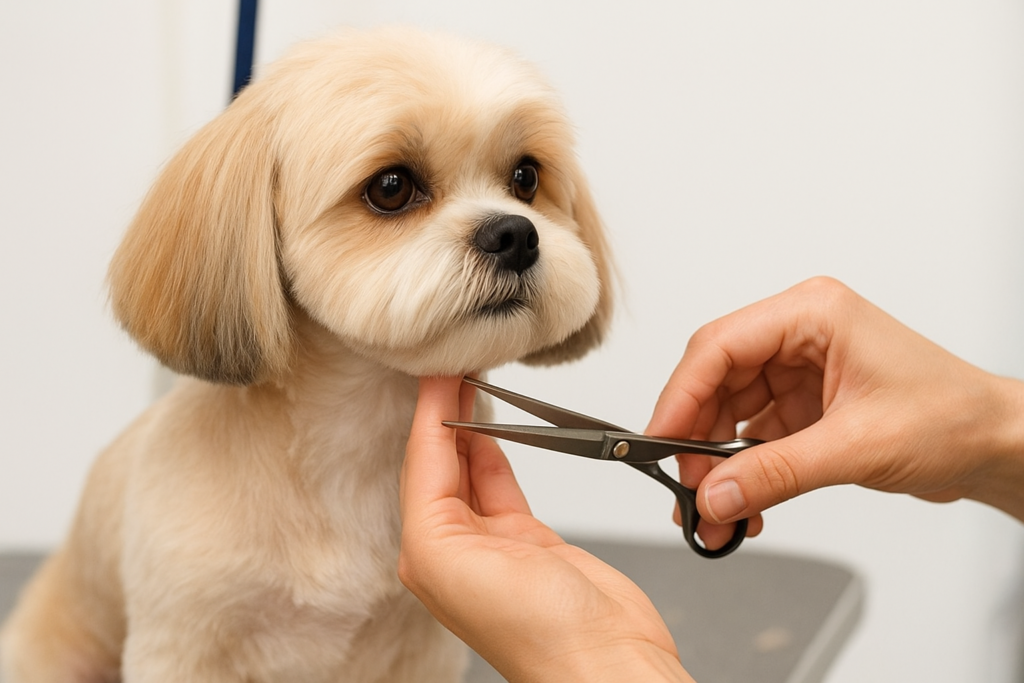
Why Regular Grooming Is More Than Skin Deep
A dog’s coat does far more than make them look presentable. It regulates body temperature, protects against environmental irritants, and signals underlying health conditions when something changes. Dogs with double coats — like Huskies or German Shepherds — shed seasonally and require more frequent brushing to prevent undercoat buildup, which can trap heat and cause skin irritation. Short-haired breeds like Beagles or Boxers may seem low-maintenance, but they still benefit from weekly brushing to remove dead skin cells and distribute natural oils. Bathing frequency depends on the dog’s activity level, coat type, and skin sensitivity — most dogs do well with a bath every three to six weeks, though dogs with skin conditions may need medicated baths on a schedule recommended by a veterinarian. Beyond the coat, nail trimming is one of the most overlooked aspects of grooming. Overgrown nails can alter a dog’s gait, create joint pain, and even curl back into the paw pad if left untreated. Ear cleaning is equally important, especially in floppy-eared breeds like Cocker Spaniels and Basset Hounds, where poor airflow creates a moist environment that is ideal for bacterial and yeast growth.
What to Know Before a Grooming Appointment
Preparation makes the grooming experience smoother for both the dog and the groomer. Dogs that are introduced to brushing, nail handling, and water from an early age tend to tolerate grooming sessions with far less stress. For older dogs or those with grooming anxiety, desensitization — gradually exposing them to tools and touch in a calm, reward-based way — can make a significant difference over time. Before scheduling a professional grooming session, it helps to know the dog’s coat type and any areas of sensitivity, such as a dog that dislikes having its paws touched or ears handled. Communicating this information clearly allows for a gentler, more tailored approach. It is also worth noting that some dogs benefit from a trim every six to eight weeks, while others may only need professional attention two to three times per year. Breed standards, lifestyle, and personal preference all play into how frequently a dog should be seen by a groomer. The goal is always a dog that feels comfortable, moves freely, and has clean, healthy skin underneath their coat.
Building a Grooming Routine That Actually Works
Consistency is the cornerstone of effective dog grooming, and the best routine is one that fits realistically into a dog owner’s schedule. Daily brushing — even for just five minutes — prevents tangles from becoming mats that require shaving, which can be distressing and leave skin exposed to sun and irritants. Dental hygiene is another piece of the puzzle that many owners overlook; brushing a dog’s teeth several times per week significantly reduces the risk of periodontal disease, which affects the majority of dogs over age three. Anal gland expression, though uncomfortable to think about, is a real grooming need for many dogs, particularly smaller breeds, and should be addressed before it leads to scooting, discomfort, or infection. For those searching for reliable dog grooming Royse City services or building their own at-home care practice, the most important thing is to treat grooming not as an occasional chore but as an ongoing investment in a dog’s health and happiness. A well-groomed dog is a more comfortable, more confident, and ultimately healthier companion — and the routine built around that care is one of the most meaningful ways an owner can show up for their pet every single week.
