


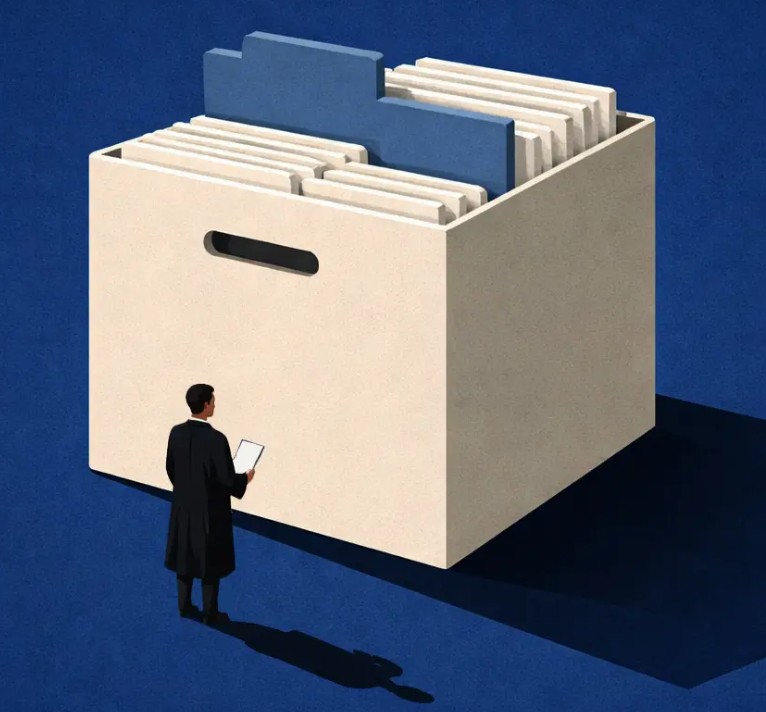
The legal profession in India has traditionally relied on extensive manual work, especially when it comes to preparing contracts, notices, petitions, agreements, and other legal documents. Drafting often consumes valuable hours that could otherwise be spent on strategy, research, and client advisory.
With advancements in technology, lawyers are increasingly turning to digital tools to reduce repetitive effort and improve efficiency. One of the biggest shifts in this transformation is AI legal drafting, which is helping legal professionals simplify document preparation while maintaining consistency, speed, and better workflow management in daily practice.
The Traditional Burden of Legal Drafting
Legal drafting is one of the most essential yet time-intensive responsibilities in the profession. Whether preparing a standard agreement, responding to a notice, or drafting pleadings, lawyers often work with repetitive structures while customising content for individual cases.
Traditionally, this process involves reviewing past templates, manually editing clauses, checking references, and ensuring that every section aligns with legal requirements. Even experienced professionals spend considerable time on formatting and repetitive revisions.
For solo practitioners and law firms handling multiple matters simultaneously, this creates operational pressure. Drafting delays can affect turnaround time, increase workload, and reduce the time available for legal analysis and client interaction.
How AI Is Changing Drafting Workflows
Artificial intelligence is changing this by introducing systems that assist with structured document generation. Instead of starting from scratch every time, lawyers can work with tools that help generate first drafts based on instructions, templates, or contextual legal inputs.
This does not replace legal expertise. Rather, it reduces mechanical effort by helping professionals produce organised draft versions faster.
With AI legal drafting, lawyers can generate structured content for contracts, notices, petitions, and other legal documents while focusing their attention on reviewing legal arguments, refining clauses, and tailoring advice to client-specific situations.
This shift is particularly useful in practices where document-heavy work forms a significant part of daily operations.
Key Benefits of Automation in Legal Drafting
Faster First Draft Creation
One of the biggest advantages of automation is speed. Legal professionals no longer need to manually recreate standard document structures every time.
A system can help generate the initial framework quickly, allowing lawyers to spend their time improving substance rather than repeating formatting and standard wording.
Improved Consistency
Manual drafting can sometimes lead to inconsistencies in clause placement, numbering, formatting, or language.
Automated systems create more standardised structures, helping maintain consistency across documents while reducing common drafting errors.
Reduced Repetitive Work
Routine drafting often involves inserting recurring clauses, standard facts, procedural details, and reference structures.
Automation reduces these repetitive tasks, which can significantly improve productivity over time.
Better Turnaround for Clients
Faster drafting means lawyers can respond more quickly to clients, helping improve service delivery and case preparedness.
The Role of Workflow Integration in Legal Practice
Drafting automation works best when it is part of a broader workflow system rather than functioning in isolation.
Lawyers deal with multiple moving parts in every matter, documents, hearing dates, notes, communication records, deadlines, and research references. Managing all these elements manually can create inefficiencies.
This is where legal case management programs become increasingly relevant. These systems help organise case-related information in one structured workflow, making drafting more connected to the broader practice environment.
When drafting tools work alongside case records and document repositories, lawyers can reduce duplication and maintain better control over information.
Supporting Litigation and Advisory Teams
Automation is not limited to one area of law. Different practice types benefit in different ways.
Litigation Practices
Litigation teams often prepare notices, affidavits, applications, written submissions, and procedural documents under strict timelines. Faster document preparation helps reduce pressure during active case periods.
Corporate and Advisory Work
Transactional and advisory lawyers frequently handle agreements, policy documents, compliance drafts, and review cycles. Structured drafting support improves speed and consistency in such environments.
Independent Practitioners
Solo lawyers often manage both legal work and administrative tasks themselves. Combining drafting support with legal case management programs can reduce operational burden and create more structured workflows.
Why Human Review Still Matters
While automation offers speed and structure, legal judgment remains essential.
Drafting tools can assist with creating frameworks, but lawyers must still evaluate facts, verify legal reasoning, assess jurisdiction-specific requirements, and ensure that documents align with client objectives.
Technology works best as a support system, not as a substitute for legal thinking.
This distinction is important because legal practice depends on interpretation, argument building, strategy, and risk assessment. Automation helps reduce repetitive effort so lawyers can focus more on these higher-value tasks.

Adoption Is Growing in Indian Legal Practice
Indian legal professionals are becoming increasingly open to digital transformation. Courts, clients, and businesses are all moving toward faster, technology-supported processes.
As legal workloads grow, lawyers are looking for practical systems that improve efficiency without disrupting professional standards.
This is why AI legal drafting is gaining traction as part of a broader legal-tech shift. Instead of spending hours on repetitive drafting mechanics, lawyers can use technology to create a structured starting point and focus more on legal precision and strategic refinement.
At the same time, integrated tools such as legal case management programs help ensure that drafting is connected with deadlines, records, and matter-specific information.
Challenges to Consider
Despite its advantages, automation adoption requires thoughtful implementation.
Lawyers must consider:
Data Accuracy
Drafting outputs must always be reviewed carefully to ensure factual and legal correctness.
Customization Needs
Legal matters often involve nuances that require professional judgment and tailored drafting.
Workflow Training
Teams may need time to adapt to new systems and build efficient usage habits.
Technology delivers the best results when used with legal oversight and process discipline.
Conclusion
The future of legal practice in India is not about replacing lawyers—it is about helping them work more efficiently. Drafting is essential, but repetitive drafting work should not consume time that could be spent on strategy, advice, and stronger case preparation. Technology-driven systems are making this shift possible by reducing effort and improving structure. Solutions like NyayAssist reflect this practical approach by supporting legal professionals in managing repetitive work more effectively, so they can focus on thinking, advising, and building stronger legal outcomes with greater efficiency and consistency.
