


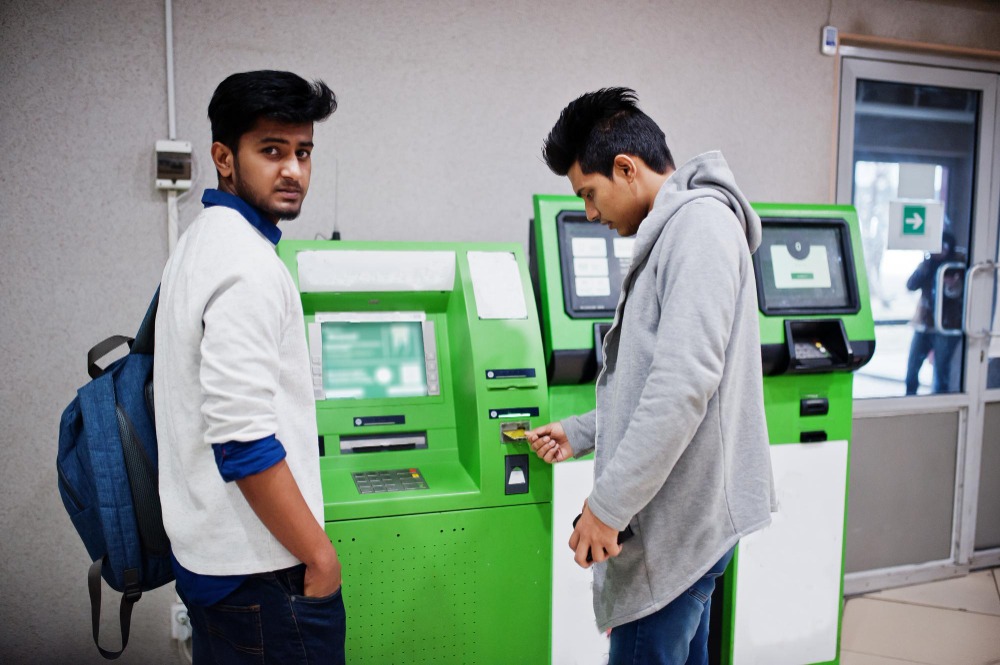
ATMs have become an essential part of daily financial transactions, providing quick and reliable access to cash in retail stores, commercial spaces, and public locations. As usage increases, maintaining consistent performance becomes crucial for both operators and users. Proper maintenance ensures machines remain functional, secure, and available without interruptions. In this context, ATM machine service plays a key role in supporting smooth operations by handling technical maintenance, monitoring performance, and ensuring cash availability in high-traffic areas where downtime can directly affect customer experience and business efficiency across multiple service locations.
What Is ATM Machine Service?
ATM machine service refers to the complete maintenance and operational support required to keep ATM systems running smoothly. This includes technical repairs, software updates, cash loading, and system monitoring. Since ATMs operate continuously, regular servicing is necessary to prevent breakdowns and ensure uninterrupted transactions.
Without proper servicing, machines may face connectivity issues, cash dispensing errors, or system failures that can impact users and business owners alike.
How ATM Machine Service Works
The servicing process combines both physical maintenance and remote monitoring. Technicians regularly inspect ATM components such as cash dispensers, card readers, and communication systems to ensure everything is functioning properly.
At the same time, remote monitoring tools track transaction activity and system performance in real time. If any issue is detected, it is addressed quickly to minimise downtime.
Cash management is also a key part of the process, ensuring machines remain stocked and ready for continuous use, especially in high-demand locations.
Key Components of ATM Maintenance
Effective maintenance involves multiple important tasks that ensure reliability and smooth operation.
Technical Repairs
This includes fixing hardware faults, resolving software issues, and maintaining network connectivity between the ATM and banking systems.
Cash Replenishment
Regular cash loading ensures that users can withdraw money without delays or service interruptions.
Security Checks
Security monitoring helps protect machines from tampering, fraud attempts, or physical damage.
Performance Monitoring
Continuous tracking of system performance helps detect issues early and improves operational efficiency.
Why the ATM Machine Is Important
Consistent maintenance is essential for ensuring ATMs remain reliable and accessible. Even short periods of downtime can lead to user inconvenience and reduced trust in the system.
For business owners, regular servicing helps protect the machine investment and reduces long-term repair costs by preventing major technical failures. It also ensures stable transaction flow, especially in busy commercial areas where demand is high throughout the day.
Role of an ATM Service
An ATM service provider is responsible for managing installation, maintenance, and operational support for ATM networks across multiple locations.
Common Challenges in ATM Operations
ATM systems face several operational challenges, including hardware wear, network failures, and cash shortages. Machines placed in high-traffic areas may require more frequent servicing due to heavy usage.
Security risks are another concern, making regular inspections and monitoring necessary. Timely maintenance helps reduce these risks and ensures smoother operations.
Benefits of Regular ATM Machine
Regular servicing improves machine reliability, reduces unexpected downtime, and ensures consistent cash availability for users. It also extends the lifespan of the machine and helps avoid costly repairs.
From a user perspective, well-maintained ATMs offer faster and more secure transactions, improving overall experience and trust in the system.
Conclusion
Maintaining ATM systems requires consistent monitoring, technical support, and timely servicing to ensure uninterrupted performance. Businesses that invest in proper ATM machine for sale can improve reliability, reduce downtime, and enhance user satisfaction. With structured maintenance and timely intervention, ATM networks continue to deliver efficient financial access, while professional support ensures smooth and stable operations across all locations.
