


Security has become one of the most important concerns for modern buildings. Businesses, banks, jewelry stores, government offices, and even residential properties are looking for stronger ways to protect valuables, confidential information, and people. Traditional walls and standard security systems are no longer enough in many situations. This is where vault panels play an important role.
Vault panels are specially designed security panels that provide high-level protection against theft, forced entry, fire, and other security risks. They are widely used in secure rooms, vaults, safe rooms, data centers, and commercial facilities. Modern buildings now depend on vault panels because they offer strength, durability, and long-term reliability.
This article explains everything you need to know about vault panels, including their benefits, applications, features, and why they are becoming the smart security solution for modern construction projects.
What Are Vault Panels?
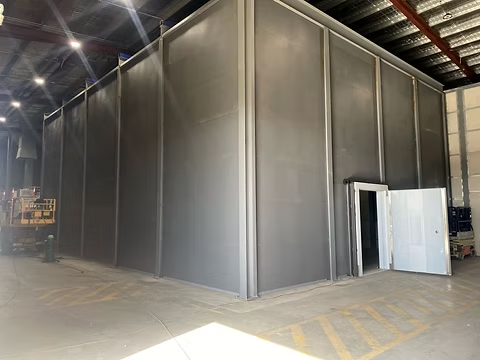
Vault panels are heavy-duty security panels made from strong materials such as reinforced steel, concrete composites, and protective alloys. These panels are engineered to create secure walls, ceilings, and floors for vault rooms and high-security areas.
Unlike traditional walls, vault panels are designed to resist attacks, drilling, cutting, and forced entry attempts. Some advanced vault panels also protect against fire, explosions, and natural disasters.
These panels are commonly used in places where maximum security is necessary. Banks and financial institutions have used vault systems for many years, but today, many other industries are also using vault panels to improve safety and protection.
Why Modern Buildings Need Vault Panels
Modern buildings face different types of security threats. Criminal activities, data theft, unauthorized access, and property damage are increasing concerns for property owners. Businesses now store expensive equipment, confidential records, digital systems, and valuable products that require advanced protection.
Vault panels help reduce these risks by creating a secure environment. Their strong structure makes it difficult for intruders to break into protected areas. In addition, they can be integrated with modern security technologies such as surveillance systems, alarms, biometric access controls, and reinforced doors.
As cities continue to grow and businesses handle more valuable assets, the demand for vault panels continues to increase.
Main Features of Vault Panels
Strong Construction
The biggest advantage of vault panels is their strength. These panels are made from high-quality materials that are difficult to damage or penetrate. Their solid construction provides reliable security for sensitive areas.
Fire Resistance
Many vault panels are designed to withstand high temperatures and fire hazards. This feature helps protect documents, cash, electronics, and other valuable assets during emergencies.
Modular Design
Modern vault panels often come in modular systems. This means they can be installed quickly and adjusted according to the building’s size and security requirements.
Long-Term Durability
Vault panels are built for long-term use. They can handle harsh conditions, pressure, and regular wear without losing their protective quality.
Advanced Security Integration
Vault panels work well with modern security systems. They can support access control systems, cameras, motion detectors, and alarm systems for complete protection.
Common Uses of Vault Panels
Banks and Financial Institutions
Banks are one of the most common users of vault panels. They use them to protect cash, confidential files, and safety deposit boxes from theft and unauthorized access.
Jewelry Stores
Jewelry businesses store high-value items that require strong security. Vault panels help create secure storage rooms and display protection systems.
Data Centers
Modern companies depend heavily on digital information. Data centers use vault panels to protect servers and confidential information from theft, fire, and physical damage.
Government Buildings
Government facilities often contain classified documents and sensitive information. Vault panels help improve security in these important buildings.
Residential Safe Rooms
Some homeowners install vault panels in safe rooms to protect family members and valuables during emergencies or break-ins.
Pharmaceutical and Medical Facilities
Medical facilities and pharmaceutical companies use vault panels to secure controlled substances, sensitive records, and expensive equipment.
Benefits of Installing Vault Panels
Improved Security
The primary benefit of vault panels is stronger security. Their reinforced design makes unauthorized access extremely difficult.
Peace of Mind
Property owners feel more confident knowing their valuables and important information are protected by professional-grade security systems.
Increased Property Value
Buildings with advanced security systems often have higher market value. Secure properties are more attractive to businesses and investors.
Cost-Effective Protection
Although vault panels may require an initial investment, they help prevent financial losses caused by theft, damage, or security breaches.
Customization Options
Vault panels can be customized for different industries and building designs. This flexibility makes them suitable for many security applications.
How Vault Panels Are Installed
The installation process depends on the type of building and security needs. Professional installers first evaluate the area and determine the required level of protection.
The panels are then assembled to create reinforced walls, ceilings, or secure rooms. Many modern vault panels use modular systems, making installation faster and more efficient than traditional construction methods.
Professional installation is important because proper fitting and reinforcement ensure maximum security performance.
Choosing the Right Vault Panels
Selecting the right vault panels depends on several factors. Building owners should consider the following points:
Security Requirements
Different buildings require different levels of protection. A bank may need stronger panels than a small business office.
Fire Protection Needs
If fire resistance is important, property owners should choose vault panels with certified fire-resistant features.
Building Size
The size of the protected area affects the number and type of panels required.
Budget
Vault panels are available in different price ranges. It is important to balance security needs with available budget.
Compliance and Certifications
Reliable vault panels should meet industry safety and security standards.
Future of Vault Panels in Modern Construction
Technology continues to improve the design and performance of vault panels. Manufacturers are now creating lighter, stronger, and more advanced security systems for modern buildings.
Future vault panels may include smart technology integration, advanced monitoring systems, and improved energy efficiency. As security threats evolve, the need for advanced protective solutions will continue to grow.
Businesses and property owners are becoming more aware of the importance of strong physical security. Because of this, vault panels are expected to remain an essential part of modern building construction.
Conclusion
Vault panels have become one of the most effective security solutions for modern buildings. Their strong construction, fire resistance, durability, and advanced protection features make them ideal for banks, businesses, data centers, government facilities, and residential properties.
As security challenges continue to increase, more industries are turning to vault panels to protect valuable assets and sensitive information. These panels not only improve physical security but also provide peace of mind and long-term reliability.
Modern buildings require smarter and stronger protection systems, and vault panels offer exactly that. Their ability to combine strength, technology, and durability makes them a smart investment for anyone looking to improve building security.
