


Industrial and commercial electrical systems rely heavily on the safe and efficient operation of motors, circuits, and machinery. One of the most crucial components that ensures equipment safety and longevity is the thermal relay switch. Designed to protect motors and circuits from overheating, it plays a vital role in thermal overload protection, safeguarding both equipment and personnel from potential hazards.
This comprehensive guide will walk you through the installation process, the benefits of thermal relay switches, and best practices to optimize safety and efficiency in your electrical systems.
Understanding Thermal Relay Switches
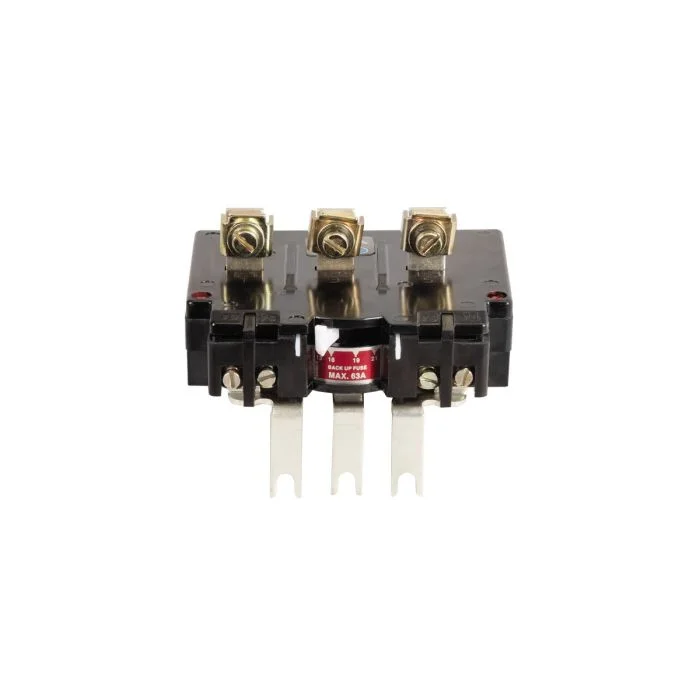
A thermal relay switch is an electromechanical device used to prevent motors and electrical circuits from sustaining damage due to excessive current. It works by sensing heat generated in the circuit and disconnecting the load when the temperature exceeds a predetermined threshold.
Unlike standard circuit breakers that react to short circuits, a thermal relay switch is specifically designed for long-term overload conditions. This makes it indispensable in industrial applications, where motors often run for extended periods under varying loads.
Key features of a thermal relay switch include:
- Adjustable current settings for motor protection
- Fast response to temperature changes
- Integration with contactors for automated control
- Durable construction for industrial environments
The combination of a thermal relay switch with proper thermal overload protection mechanisms ensures that motors are not subjected to damage, prolonging operational life and minimizing downtime.
Importance of Thermal Overload Protection
Overloading can occur when motors operate beyond their rated capacity, often due to increased mechanical load, electrical faults, or improper maintenance. Continuous overcurrent can lead to overheating, insulation failure, or even complete motor burnout.
Implementing thermal overload protection is essential for:
- Preventing Equipment Damage: Overheating can significantly reduce the lifespan of motors and electrical components.
- Ensuring Safety: Excessive heat can trigger fires or cause injuries in industrial environments.
- Reducing Downtime: Proper protection minimizes unscheduled maintenance and operational interruptions.
- Cost Savings: Preventing damage reduces repair costs and avoids expensive replacements.
Thermal relay switches serve as the frontline defense against these risks, ensuring that your systems operate safely and efficiently.
Types of Thermal Relay Switches
Understanding the types of thermal relay switches helps in selecting the right device for specific applications.
- Bimetallic Thermal Relay Switches:
These use a bimetallic strip that bends under heat, triggering the switch mechanism to disconnect the circuit. They are widely used due to their simplicity, reliability, and cost-effectiveness.
- Electronic Thermal Relay Switches:
Equipped with sensors and digital controls, these switches offer precise protection, adjustable settings, and integration with automation systems.
- Adjustable Thermal Relay Switches:
These allow the user to set the current threshold according to motor specifications, offering flexibility for different operational loads.
Each type provides varying levels of protection and can be chosen based on motor size, application, and operational conditions.
Tools and Materials Needed for Installation
Before beginning the installation process, ensure you have the following tools and materials:
- Thermal relay switch
- Contactor (if required)
- Screwdrivers (flathead and Phillips)
- Wire stripper and cutter
- Insulated wires
- Multimeter for testing
- Mounting screws or DIN rail
Using the right tools ensures a safe and effective installation while preventing accidental damage to components.
Step-by-Step Installation Process
Step 1: Power Off and Safety Measures
Always start by turning off the main power supply to the circuit you will be working on. Confirm with a multimeter that no voltage is present. Safety precautions, including wearing insulated gloves and protective eyewear, are essential to prevent electrical hazards.
Step 2: Identify the Motor or Circuit
Determine the motor or circuit that requires thermal overload protection. Refer to the motor specifications, including voltage, current rating, and operating conditions, to select the appropriate thermal relay switch.
Step 3: Select and Mount the Thermal Relay Switch
Choose a thermal relay switch rated for the motor’s full-load current. Mount it securely using screws or a DIN rail, ensuring easy access for adjustments and maintenance.
Step 4: Connect the Wiring
- Connect the line terminals of the thermal relay switch to the incoming power supply.
- Connect the load terminals to the motor or device being protected.
- If using a contactor, wire the relay in series with the contactor coil for automated tripping.
Ensure all connections are tight and insulated to prevent short circuits.
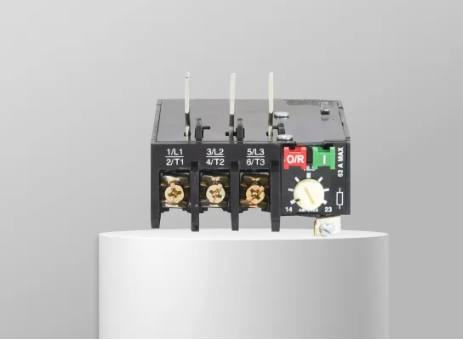
Step 5: Set the Current Rating
Adjust the thermal relay switch to match the motor’s full-load current. This ensures that the relay trips only under genuine overload conditions, providing effective thermal overload protection without unnecessary interruptions.
Step 6: Test the Installation
Before running the motor under full load, perform a test:
- Power on the system and observe the thermal relay operation.
- Simulate a minor overload condition if possible, ensuring the relay trips correctly.
- Check all connections for signs of heating or loose wires.
Step 7: Routine Monitoring and Maintenance
Regular inspection is crucial to ensure ongoing reliability. Check the relay for physical wear, clean dust or debris, and verify settings periodically. This prevents false trips or missed protection, maintaining continuous industrial operations.
Common Mistakes to Avoid
While installing a thermal relay switch, avoid these common mistakes:
- Incorrect Current Settings: Setting the relay too low may cause nuisance tripping, while setting it too high may fail to protect the motor.
- Improper Wiring: Loose or incorrectly connected wires can result in failure or unsafe operation.
- Neglecting Safety Measures: Working on live circuits can cause severe injuries. Always power down and verify before installation.
- Skipping Regular Maintenance: Over time, dust, vibration, and wear can affect performance. Routine checks are essential.
Avoiding these mistakes ensures reliable thermal overload protection and prolongs the lifespan of both the relay and the connected equipment.
Advantages of Installing a Thermal Relay Switch
- Enhanced Motor Protection: Safeguards motors from overheating and potential burnout.
- Operational Efficiency: Minimizes downtime by preventing equipment failure.
- Safety Assurance: Protects personnel and property from electrical hazards.
- Cost-Effective Solution: Reduces repair costs and prevents expensive replacements.
- Compatibility with Automation Systems: Easily integrates with PLCs and control panels for automated protection.
By incorporating a thermal relay switch, industries can maintain a safer, more efficient electrical network.
Applications of Thermal Relay Switches
Thermal relay switches are used across various industrial and commercial sectors, including:
- Manufacturing Plants: Motors driving conveyors, mixers, and pumps.
- HVAC Systems: Protecting compressors, fans, and air handling units.
- Water Treatment Plants: Ensuring pumps and filtration systems operate safely.
- Commercial Buildings: Elevator motors, HVAC equipment, and lighting circuits.
- Agricultural Equipment: Motors for irrigation systems and processing units.
In each case, the relay ensures reliable thermal overload protection, preventing equipment damage and costly downtime.
Future Trends in Thermal Overload Protection
With the rise of smart factories and Industry 4.0, thermal relay switches are evolving:
- Smart Relays: Digital relays with remote monitoring capabilities.
- Integration with IoT: Real-time performance tracking and predictive maintenance.
- Energy Optimization: Advanced relays help manage power consumption and reduce energy waste.
- Compact Designs: Smaller yet robust relays suitable for modular control panels.
These innovations improve operational efficiency and allow industries to proactively manage equipment health.
Conclusion
A thermal relay switch is an indispensable component for ensuring thermal overload protection in industrial and commercial electrical systems. By safeguarding motors and circuits from overheating, it enhances safety, reliability, and operational efficiency. Proper selection, installation, and maintenance of the relay are crucial to achieving optimal performance and preventing costly equipment failures.
For industries seeking dependable and high-quality electrical protection solutions, Lauritz Knudsen Electrical and Automationprovides expertly engineered thermal relay switches designed to meet modern industrial demands. With a focus on safety, durability, and innovation, they ensure that businesses achieve reliable thermal overload protection while maintaining uninterrupted operations in today’s dynamic electrical environments.
