


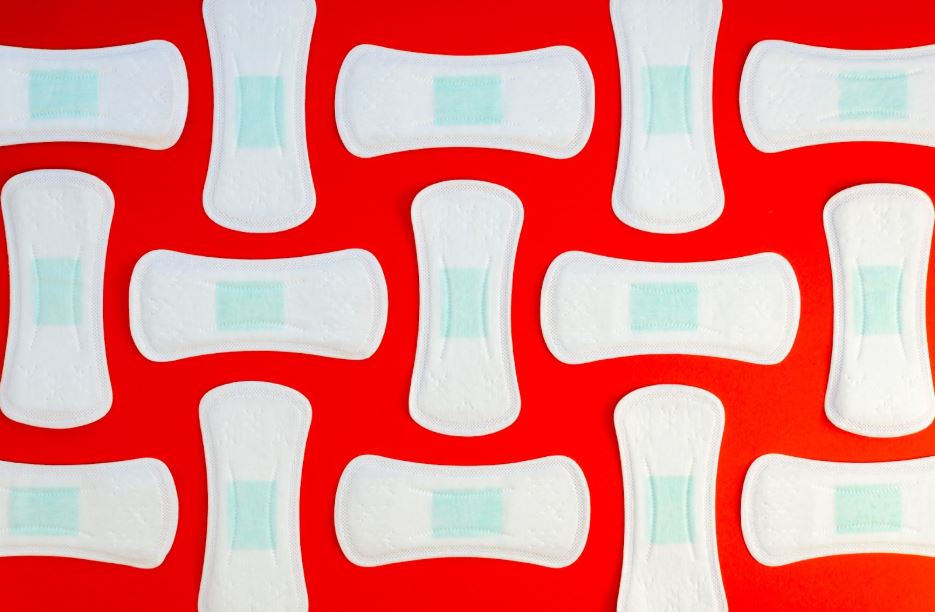
As more women become environmentally conscious, the demand for eco-friendly sanitary pads continues to grow. Sustainable period care focuses on reducing waste while maintaining comfort and reliable protection. Eco-friendly pads are made from biodegradable, organic, or reusable materials that are safer for both the body and the planet. They help minimize plastic pollution and lower your overall environmental footprint. This guide will explore the best options and tips for choosing sustainable sanitary pads for a healthier, greener period routine.
What Are Eco-Friendly Sanitary Pads
Eco-friendly sanitary pads are designed to reduce environmental impact while keeping comfort and safety in mind. Unlike conventional pads that contain plastic and synthetic materials, these pads are made from natural, biodegradable, or reusable materials. They break down more easily after disposal, helping reduce landfill waste. Many are free from harmful chemicals, fragrances, and dyes. This makes them a safer choice for both the body and the planet.
Why Sustainable Period Care Matters
Sustainable period care is important because traditional sanitary pads can take hundreds of years to decompose. With millions of pads discarded every day, the environmental burden continues to grow. Choosing eco-friendly options helps reduce plastic pollution and carbon footprint. It also supports ethical manufacturing practices and healthier product ingredients. Small changes in period care can create a big positive impact over time.
Materials Used in Eco-Friendly Pads
Eco-friendly pads are usually made from organic cotton, bamboo fiber, banana fiber, or cornstarch-based bioplastics. These materials are breathable, soft on the skin, and naturally biodegradable. Many brands avoid synthetic fragrances and chlorine bleaching to ensure safer use. Some pads also use plant-based waterproof back sheets instead of plastic layers. These thoughtfully chosen materials provide comfort without harming the environment.
Biodegradable vs Reusable Sanitary Pads
Biodegradable pads are designed to break down naturally after disposal, making them ideal for single-use convenience with less environmental impact. Reusable pads, on the other hand, are washable and can last for several years with proper care. While biodegradable pads reduce waste compared to regular pads, reusable options significantly cut down long-term waste. The right choice depends on personal comfort, lifestyle, and access to washing facilities. Both options are better alternatives to conventional plastic-based pads.
Organic Cotton Sanitary Pads
Organic cotton sanitary pads are made from cotton grown without synthetic pesticides or harmful chemicals. This makes them gentler on sensitive skin and less likely to cause irritation or rashes. They are highly breathable and absorbent, providing comfort during heavy or light flow days. Since organic farming practices are more environmentally friendly, these pads also support sustainable agriculture. They are a popular choice among those looking for a natural and safe period solution.
Compostable and Plastic-Free Options
Compostable and plastic-free pads are designed to decompose completely under proper composting conditions. They do not contain polyethylene or other petroleum-based materials found in regular pads. Many of these pads use plant-based packaging to further reduce waste. By choosing plastic-free options, users help decrease microplastic pollution in landfills and oceans. These products align with a zero-waste or low-waste lifestyle.
How to Choose the Right Sustainable Pad
Choosing the right sustainable pad depends on flow level, skin sensitivity, and lifestyle preferences. It is important to check the ingredient list and look for certified organic or biodegradable materials. Consider whether you prefer disposable convenience or reusable long-term savings. Comfort, absorbency, and availability also play a key role in the decision. Reading reviews and trying a few options can help you find the perfect fit.
Popular Eco-Friendly Pad Brands
Several brands now focus on sustainable menstrual products that balance comfort and environmental responsibility. These companies use natural fibers, biodegradable components, and ethical production methods. Many also prioritize transparent labeling and eco-friendly packaging. Availability may vary by region, but online shopping has made access easier. Exploring trusted brands can help you switch confidently to greener period care.
Cost Comparison of Sustainable Period Products
Sustainable period products may seem more expensive at first compared to regular pads. However, reusable options can save significant money over time since they last for years. Even biodegradable pads often justify their slightly higher price with better materials and safety standards. When considering overall health and environmental benefits, the investment can be worthwhile. Comparing long-term costs helps make a more informed decision.
Tips for Switching to Eco-Friendly Period Care
Switching to eco-friendly period care can be simple with a gradual approach. Start by trying one sustainable product during your cycle to see how it feels. Learn proper disposal or washing methods to maximize benefits. Keep a small storage pouch if you are using reusable pads while outside. Making mindful changes step by step ensures a comfortable and confident transition.
Conclusion
Choosing eco-friendly sanitary pads is a simple yet powerful step toward sustainable period care. They protect your health with safer, natural materials while reducing environmental waste. By switching to biodegradable or reusable options, women can significantly lower their monthly plastic footprint. Though the initial cost may vary, the long-term benefits for both body and planet are truly worthwhile. Sustainable period care empowers women to make mindful choices that support a cleaner, greener future.
