



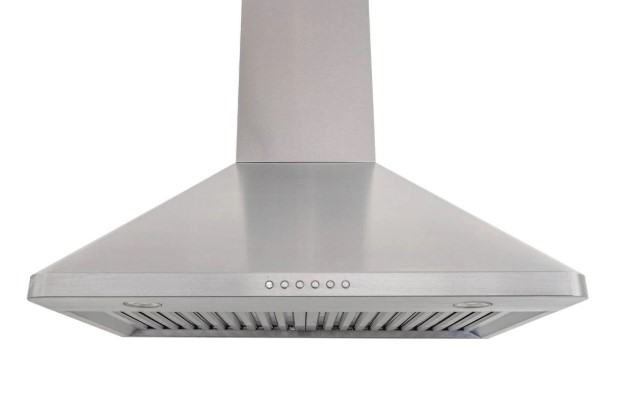
Indoor air quality is a growing concern in modern homes, especially in kitchens where daily cooking releases smoke, grease particles, moisture, and combustion byproducts into the air. Without proper ventilation, these pollutants accumulate and circulate throughout living spaces, affecting comfort and respiratory health. Installing a cooktop hood is one of the most effective ways to manage airborne contaminants generated during cooking. Designed to capture and redirect fumes at the source, this ventilation system plays a crucial role in maintaining cleaner air. As kitchens become central gathering spaces, effective air management solutions are increasingly essential.
The Hidden Air Pollutants Generated During Cooking
Many homeowners underestimate how much pollution routine cooking creates. Frying, grilling, and sautéing release fine particulate matter, nitrogen dioxide, and volatile organic compounds, particularly when gas burners are used. In the absence of adequate ventilation, a cooktop hood captures these airborne contaminants before they disperse into the room, reducing the concentration of harmful particles.
Grease vapor is another common byproduct that clings to cabinets, ceilings, and walls over time. This buildup not only creates hygiene concerns but also contributes to persistent odors. Smoke and steam can increase indoor humidity levels, potentially encouraging mold growth in poorly ventilated kitchens. Addressing these issues at the source significantly improves overall air quality and protects household surfaces from long-term damage.
How Ventilation Systems Remove Contaminants at the Source
Effective ventilation relies on airflow capture and extraction. Positioned directly above the cooking surface, a cooktop hood uses a powerful motor and fan system to draw in smoke, grease, and heat as they rise. The captured air then passes through filters designed to trap grease particles before being vented outside or recirculated through charcoal filtration systems.
Ducted systems expel contaminated air outdoors, offering the highest level of pollutant removal. Ductless models, while recirculating air back into the kitchen, still reduce odors and airborne grease through multi-layer filtration. Modern units are engineered with high cubic feet per minute ratings, ensuring efficient suction for heavy cooking tasks. By preventing the spread of pollutants, ventilation systems support healthier breathing environments inside the home.
Improving Respiratory Health and Home Comfort
Exposure to cooking emissions can aggravate asthma and other respiratory conditions, particularly in households with children or elderly residents. A properly installed cooktop hood helps limit exposure to irritants by continuously clearing smoke and fine particles during meal preparation. This proactive air management strategy supports better lung health and reduces lingering odors that may otherwise travel into adjacent rooms.
Beyond health considerations, ventilation also improves comfort. Kitchens can quickly become overheated during extended cooking sessions, especially when using multiple burners. Removing excess heat and steam stabilizes room temperature and reduces humidity. As a result, families experience a more pleasant cooking environment while protecting furniture, paint finishes, and cabinetry from moisture-related wear.
Energy Efficiency and Modern Kitchen Design
Advancements in ventilation technology have made today’s systems more energy-efficient and quieter than older models. A well-designed cooktop hood incorporates LED lighting, variable fan speeds, and noise-reduction engineering to balance performance with convenience. Homeowners can select units that complement kitchen layouts, whether wall-mounted, island, or under-cabinet configurations.
Selecting the correct size and airflow capacity ensures optimal performance without unnecessary energy consumption. Professional-grade options are particularly beneficial for frequent cooks who use high-heat techniques. In addition to improving air quality, these systems contribute to overall kitchen aesthetics, blending functionality with modern design standards.
Conclusion
Maintaining healthy indoor air requires more than simply opening a window or using a ceiling fan. Kitchens are high-emission zones within the home, generating pollutants that can affect both health and structural surfaces over time. Homeowners who prioritize proper airflow solutions benefit from cleaner surfaces, reduced odors, and safer breathing conditions. Investing in high-performance ventilation, including options such as an under-cabinet kitchen hood vent, ensures long-term air quality protection and enhances the functionality of modern cooking spaces. Effective ventilation systems reduce smoke, grease accumulation, and airborne irritants while improving overall comfort.