


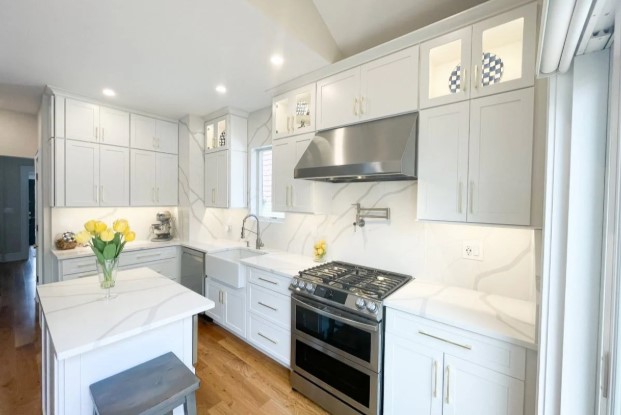
Kitchen ventilation systems play a critical role in maintaining clean indoor air. When exterior ducting is not possible, recirculating designs provide a practical alternative for homeowners. ductless under-cabinet range hoods depend on internal filtration systems to remove smoke, grease, and odors before returning air to the kitchen. Among these components, charcoal filters serve as the primary defense against lingering cooking smells. Their absorption capacity makes them essential in apartments, condominiums, and remodeled spaces where structural venting changes are limited.
How Charcoal Filters Work
Activated charcoal is processed to create an extensive network of microscopic pores. Inside ductless under-cabinet range hoods, these pores trap odor molecules through adsorption rather than simple absorption. As cooking fumes pass through the filter, volatile organic compounds attach to the carbon surface. This chemical process significantly reduces persistent smells from frying, sautéing, and grilling. By neutralizing odors at a molecular level, charcoal filtration helps maintain a fresher indoor environment without requiring external ductwork.
Multi-Stage Filtration Efficiency
Effective air purification depends on layered protection. In ductless hoods, charcoal filters operate alongside aluminium or stainless steel grease filters. The grease filter captures larger airborne particles such as oil droplets, preventing buildup within the motor housing. Afterward, charcoal filtration targets finer odor particles that escape mechanical trapping. This two-stage process ensures balanced performance and protects internal components from excessive residue accumulation, extending the overall lifespan of the system.
Odor Control In Everyday Cooking
Strong spices, seafood, and high-heat cooking generate intense aromas that linger. Ductless hoods equipped with quality charcoal filters reduce these odors before they spread through open concept layouts. Kitchens connected to living spaces benefit significantly from consistent odor control. Effective filtration enhances comfort for household members and guests while preserving indoor air freshness during frequent meal preparation.
Maintenance And Replacement Requirements
Charcoal filters require scheduled replacement because they cannot be cleaned or restored once saturated. Within ductless under-cabinet range hoods, declining performance becomes noticeable when odors persist longer than usual. Replacement frequency depends on cooking intensity and daily usage patterns. Regular updates maintain consistent airflow and prevent strain on the motor. Proper maintenance ensures that odor adsorption remains effective and that the ventilation system operates efficiently over time.
Installation Flexibility And Energy Impact
Recirculating ventilation offers flexibility for properties without exterior wall access. Ductless under-cabinet hoods eliminate the need for complex duct routing, reducing renovation costs and installation time. Energy efficiency remains stable when filters are maintained correctly, as unrestricted airflow prevents unnecessary motor strain. This configuration supports modern kitchen layouts while delivering dependable air purification in compact or multi-unit living environments.
Long-Term Indoor Air Quality Benefits
Indoor air quality directly affects comfort and cleanliness. ductless under-cabinet range hoods equipped with charcoal filters reduce airborne contaminants that contribute to odors and surface residue. By capturing microscopic particles, these systems help protect cabinetry, ceilings, and walls from gradual grease buildup. Consistent filtration also decreases moisture retention caused by cooking steam, supporting a cleaner and more durable kitchen environment.
Performance Considerations And System Design
Selecting high-quality components influences overall results. Ductless hoods perform best when airflow capacity aligns with cooking demands. Properly engineered charcoal filters maximize odor removal without restricting circulation. Balanced system design ensures reliable suction strength while maintaining quiet operation levels. Attention to compatibility and replacement timing preserves consistent filtration efficiency.
Conclusion
Charcoal filters remain central to effective recirculating ventilation by neutralizing odors and supporting cleaner indoor air. Their partnership with grease filtration maintains balanced airflow and long-term reliability. Regular replacement protects performance and ensures consistent purification. While recirculating models excel in enclosed kitchens, larger outdoor cooking spaces require specialized ventilation, such as an outdoor kitchen range hood designed for heavy smoke extraction and environmental durability.
