


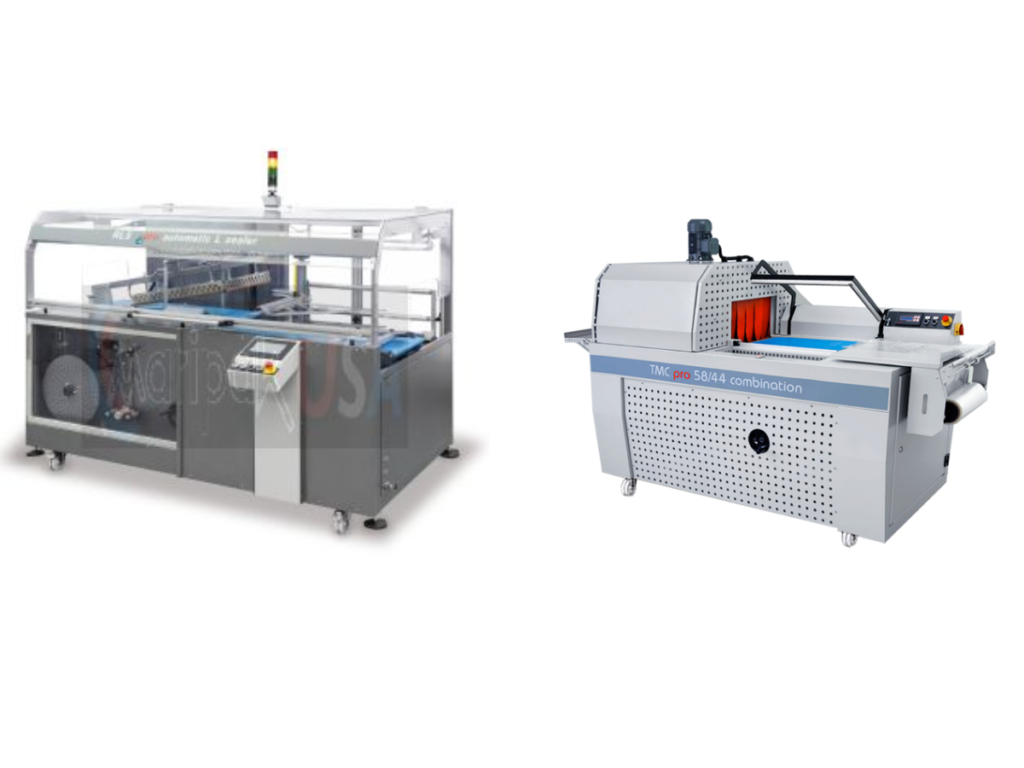
In today’s competitive marketplace, packaging plays a far more important role than simply containing a product. It communicates brand quality, protects goods during transit, and influences purchasing decisions at the point of sale. Businesses across industries are increasingly investing in advanced packaging equipment to meet growing consumer expectations and operational efficiency goals. A heat shrink machine delivers precisely that advantage, wrapping products in a tight, professional film layer that enhances appearance while providing reliable protection. Understanding how these systems work, which industries benefit most, and how to select the right equipment is essential for any business serious about packaging performance and presentation.
How Heat Shrink Technology Works in Modern Packaging
Heat-shrink packaging is a process in which a polymer film is wrapped around a product and then exposed to controlled heat, causing the film to contract tightly around the product’s shape. The result is a clean, tamper-evident, visually appealing package that conforms precisely to the product’s contours. The process begins with sealing the film around the product using a sealing mechanism, followed by passing the wrapped item through a heat tunnel where warm air activates the film’s shrinking properties. A heat shrink machine automates this entire sequence with precision and consistency, dramatically reducing the time and labor required compared to manual wrapping methods while delivering a far more uniform and professional end result across every single package produced.
Industries That Benefit From Heat Shrink Packaging Solutions
The versatility of heat shrink packaging makes it valuable across an exceptionally wide range of industries. Food and beverage companies use it to bundle multipacks, seal individual products, and extend shelf life by creating a protective barrier against moisture and contamination. Pharmaceutical manufacturers rely on shrink packaging for tamper-evident sealing that meets strict regulatory requirements. Consumer electronics brands use it to present products in crisp, retail-ready packaging that reinforces premium brand perception. Publishing companies wrap books, magazines, and media products for protection during shipping. In each of these contexts, a properly configured heat shrink machine becomes a core component of the production line, contributing directly to output quality, throughput speed, and overall packaging cost efficiency.
Key Features to Look for in a Quality Heat Shrink System
Selecting the right packaging equipment requires a clear understanding of your production volume, product dimensions, film compatibility requirements, and available floor space. Entry-level systems suit small businesses and low-volume operations, while mid-range and industrial-grade machines are engineered for continuous high-speed production environments.
Temperature control precision is one of the most critical specifications to evaluate, as inconsistent heat application leads to film distortion, poor seal quality, and product damage. Conveyor speed adjustability, tunnel chamber size, energy efficiency ratings, and ease of maintenance are equally important factors. Investing in equipment from a reputable manufacturer with strong after-sales technical support ensures long-term reliability and minimizes costly production downtime.
The Role of Film Selection in Shrink Packaging Performance
The quality of the finished package depends not only on the machine but also on the shrink film used in the process. Polyolefin film is widely regarded as the most versatile and food-safe option, offering excellent clarity, strength, and consistent shrink performance across a broad temperature range. PVC film is a cost-effective alternative commonly used for non-food applications, though it requires adequate ventilation during use.
Conclusion
Packaging efficiency and presentation quality are non-negotiable in a market where first impressions drive consumer trust and repeat business. Investing in the right shrink packaging equipment positions your business for scalable, consistent, and professional output at every production level. For operations that also require flexible wrapping capabilities across varied product formats, a shrink film wrapping machine extends that same commitment to quality and efficiency, offering adaptable solutions that grow alongside your business needs and packaging demands without compromise.
