



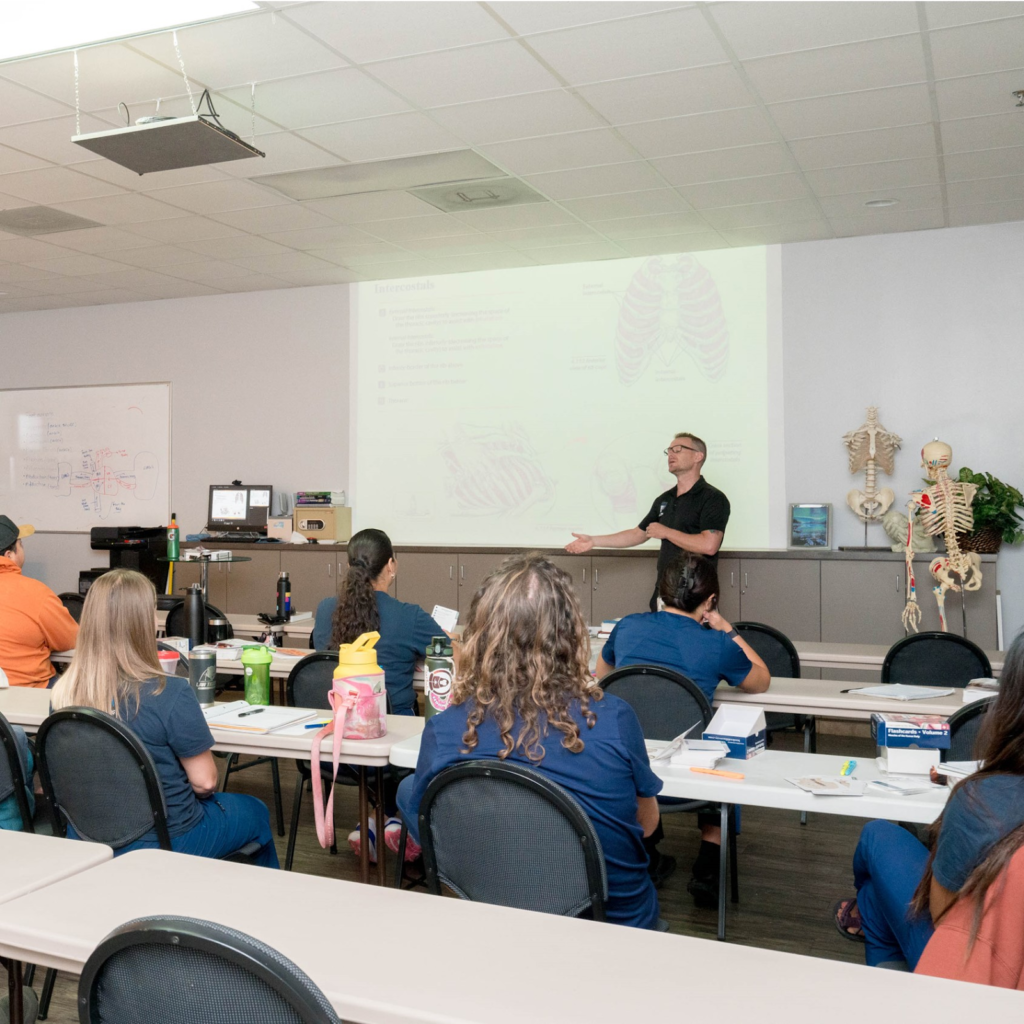
Massage therapy has evolved from a niche wellness offering into a mainstream healthcare profession serving millions of people annually across the United States. Behind every skilled, confident practitioner is a Massage Therapist School that provided the foundational education, supervised clinical training, and professional preparation necessary to thrive in this hands-on career. Choosing the right program is the single most important decision you will make on the path to becoming a licensed massage therapist, and it deserves careful research and thoughtful comparison before committing your time and tuition investment.
What a Quality Program Actually Teaches You
A reputable Massage Therapist School covers far more than hands-on technique. The curriculum builds a comprehensive understanding of the human body and the science underlying every therapeutic intervention. Core subjects typically include anatomy, physiology, kinesiology, pathology, and the clinical study of conditions that make certain massage modalities inadvisable or require modified application for patient safety.
Hands-on practical training runs parallel to classroom instruction throughout the entire program duration. Students learn and practise Swedish massage, deep tissue technique, myofascial release, trigger point therapy, sports massage, and other specialised modalities under direct faculty supervision before progressing to student clinic rotations where they work with real clients presenting genuine conditions and complaints. This supervised clinical experience is where theoretical classroom knowledge transforms into practical professional skill and lasting career confidence.
Licensing Requirements That Shape Your School Decision
Licensing requirements vary significantly from state to state, and your choice of Massage Therapist School must align with the specific regulations governing the jurisdiction where you intend to practise. Most states require completion of a minimum of 500 hours of formal education from an accredited institution, though some states mandate 750 or even 1,000 hours or more before you are eligible to sit for the licensing examination.
After graduation, candidates typically need to pass either the Massage and Bodywork Licensing Examination or the certification exam administered by the National Certification Board for Therapeutic Massage and Bodywork. Additional requirements commonly include a criminal background check clearance, proof of CPR and first aid certification, liability insurance, and a minimum age of 18 years at the time of application.
How to Evaluate and Compare Schools of Massage Therapy
Not all Schools of Massage Therapy deliver equal outcomes, and choosing the wrong program can mean wasted tuition, inadequate preparation, and difficulty passing licensing exams on your first attempt. When comparing programs, evaluate accreditation status first and foremost. Institutions accredited by recognised bodies such as the Commission on Massage Therapy Accreditation have met rigorous independent standards for curriculum depth, faculty qualifications, clinical training quality, and measurable student outcomes.
Beyond accreditation, examine the program’s graduation rate and licensing exam pass rates, the ratio of classroom theory hours to hands-on clinical training hours, the professional experience and credentials of faculty members, the availability of advanced specialisation tracks in areas like sports massage, prenatal care, or medical massage, and the career placement support services offered to graduates after they complete the program.
Career Paths After Graduation From Massage Schools
Graduates of accredited Massage Schools enter a diverse and growing job market with opportunities spanning private practice, chiropractic offices, physical therapy clinics, hospitals, professional sports organisations, destination spas, corporate wellness programs, and cruise lines. The flexibility to work independently, build a personal client base, and set your own schedule makes massage therapy particularly attractive to individuals seeking genuine career autonomy and sustainable work-life balance.
The Bottom Line
A rewarding career in massage therapy starts with selecting the right Massage Therapy School, one that provides rigorous academic education, extensive supervised clinical hours, and the professional credentials necessary to pass licensing exams and practise with competence and confidence from your very first day in the field.