


Starting a small clothing brand is something many people think about. You may enjoy fashion. You may have design ideas. Or maybe you simply want to build something of your own. The good news is that a clothing brand does not have to start big.
Many well known brands began with a few simple products. Some started with just printed T shirts and a small online store. What matters more than size is direction. If you understand the basics and take one step at a time, you can turn a simple idea into a real clothing brand. This guide walks through the key steps beginners should know.
Start With a Clear Idea
There is a clear idea behind every clothing brand. Everything else gets complicated to understand without it. Just ask yourself a few simple things. What kind of clothes do you want to make? Who is going to wear it? Why would someone pick your brand over another? Some brands make clothes for streetwear. Others make daily clothing. Some brands make casual clothes for the house, while some make clothes for the gym.
Do not try to do everything at once. When you have a clear idea, it’s easier to make goods and talk to the right people. It doesn’t have to be hard to understand your idea. In fact, brands that are easy to understand tend to stick to a simple path.
Note down your thoughts. This sets the stage for everything that comes after.
Study the Market First
Many beginners skip this step. They start designing clothing without checking what already exists in the market. Spend time researching other brands. Look at both large companies and smaller labels that are growing online. Study their products carefully. Notice their pricing, their style, and the way they present their clothing. Read customer reviews as well.
Reviews often reveal useful information. People talk about sizing issues, fabric quality, and design preferences. You will also start noticing gaps in the market. Perhaps customers want better quality basics. Maybe there is demand for affordable oversized clothing. These small observations can shape your own brand direction.
Know Who You Are Selling To
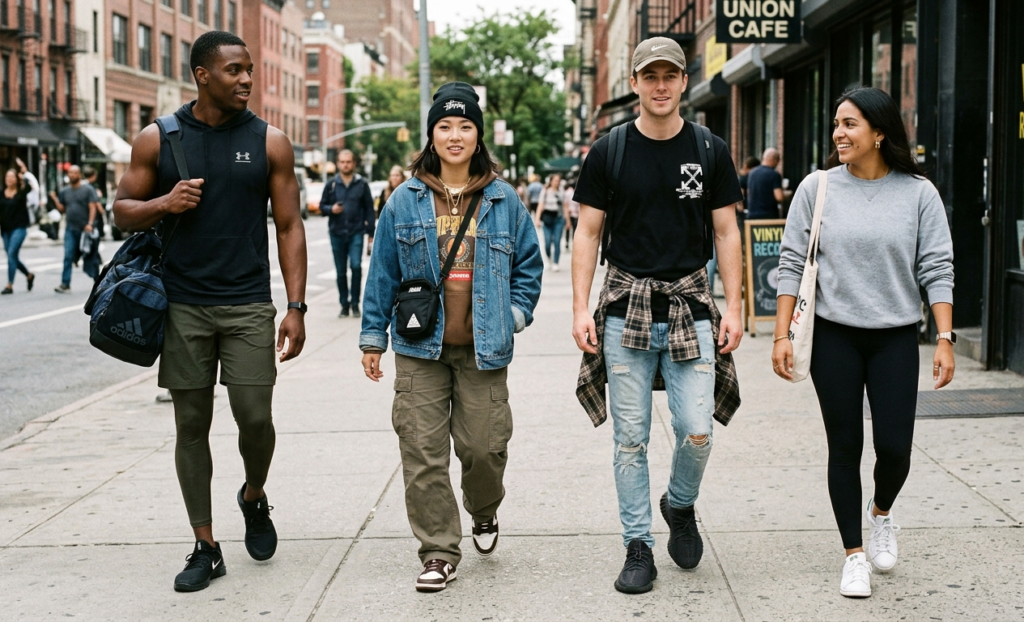
A common mistake new brands make is trying to sell to everyone. That rarely works. Good clothing brands targets a certain audience. Think about who your clothing is for. Are you designing for students? Young adults? Working professionals perhaps. People who enjoy outdoor activities. Age, lifestyle, and personal style all matter here.
Spend time looking at brands that already sell to this group. Notice their price range. Look at the kind of photos they post. Pay attention to what customers say in reviews. This helps you understand what people expect and where you can offer something different.
Create a Strong Brand Identity
Your brand needs a clear identity. This is how people will remember you. Give it a name. Do not complicate things. An easy-to-remember short name is simple to print on clothes or labels.
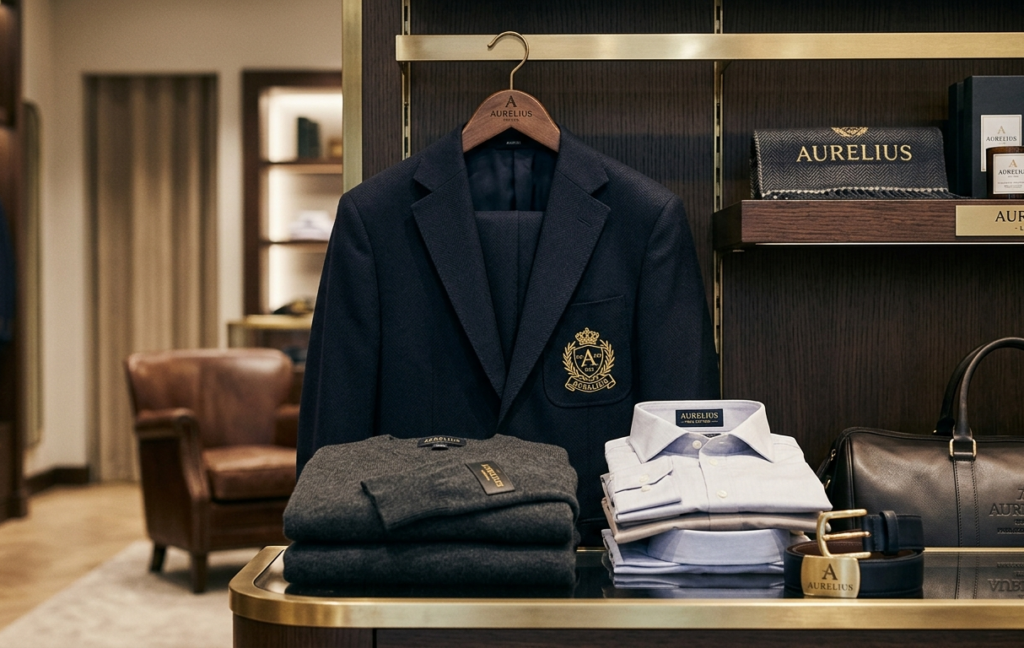
Next comes your visual style. This includes your logo, colours and how your brand looks overall. You do not need anything overly complex. Many strong brands use very simple logos and clean designs.
What matters most is consistency. Your website, labels, product tags, and packaging should all follow the same style. This makes your brand easier to recognise.
Design Your First Products
Now comes the part most people enjoy. Designing the clothing. If you are just starting, keep your first collection small. Two or three products are enough. For example, many beginners launch with T shirts, hoodies, or sweatshirts. These are easier to produce and easier to sell online. Think about the small details. Fabric. Fit. Colours. Comfort. These things matter more than people expect.
Sketch your ideas on paper or use simple design software. If you are not confident with design, you can work with a freelance clothing designer who understands garment production. The goal is not to release many products. The goal is to release a few good ones.
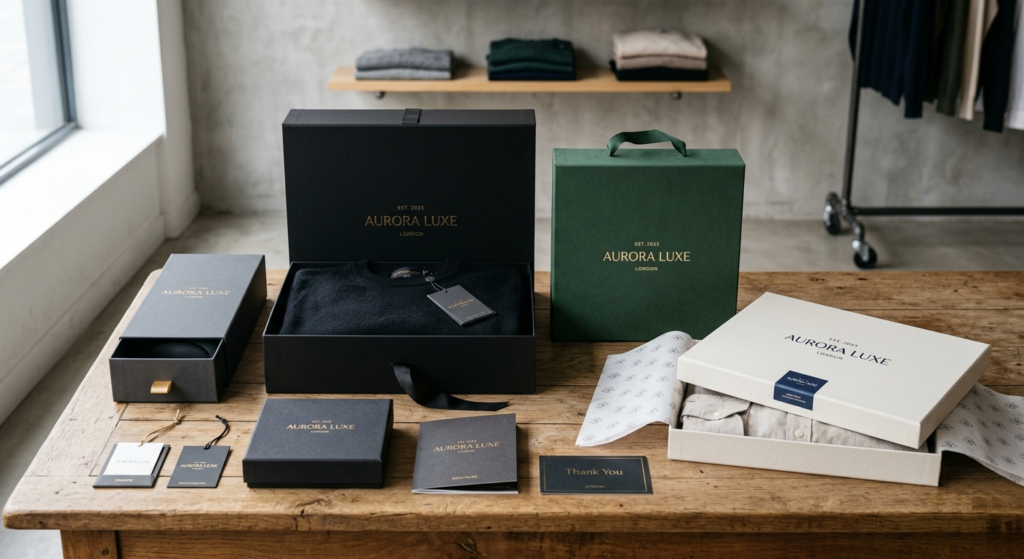
As you plan your first products, also think briefly about how they will be presented. Even simple apparel packaging like folded shirts in protective sleeves or branded tissue can make a product feel more polished when customers open their order.
Find the Right Manufacturer
You need someone who can make your designs once they are ready. Manufacturers take your thoughts and make them real. Finding and selecting the right one may take some research. Look for factories that work with small brands. Some offer low order quantities, which is helpful when you are just starting. Before you make a full order, always ask for samples.
A sample lets you check the fabric, stitching, and overall quality. Pay attention to details. Are the seams clean. Does the fabric feel comfortable. Is the sizing correct. Good communication with the manufacturer is very important. Clear instructions help avoid mistakes during production.
Plan Your Budget Carefully
A clothing brand requires investment, but the costs can be controlled with careful planning. Some of the main expenses include product samples, manufacturing, branding, website development, and marketing.
Photography is another important cost. Clear product photos make a huge difference when selling clothing online. Start small whenever possible. A limited product run reduces financial risk and allows you to test customer interest. If your products sell well, you can increase production gradually.
Build a Simple Online Store
Today, most small clothing brands begin online. An online store allows you to reach customers far beyond your local area. Platforms such as Shopify, WooCommerce, and BigCommerce make it possible to launch a professional store without technical skills. Keep your website clean and easy to use. Visitors should be able to find products quickly.
Product photography deserves special attention. Show each item from different angles. Include close shots of fabric and stitching so buyers can judge quality. Product descriptions should also be clear. Explain the material, fit, and care instructions in simple language. Small details like these build trust with customers.
Use Social Media to Grow Your Brand
In today’s fashion marketing, social media is quite important. A small clothing brand can attract attention quickly if it uses these platforms well. Clothing brands may use social platforms like Instagram and TikTok to their advantage.
Post often. Share pictures of your products, ideas about how to style them, and behind-the-scenes videos of your creative process. People like to see how things are manufactured. It gives your brand a more natural and intimate vibe.
Also Read: 3 Stats That Prove Your Biz Needs a Social Media Wall
Work With Small Creators
Influencer marketing is not just for famous people. A lot of minor creators have fans who are quite loyal. Find creators whose style fits with your brand. Give them your clothes and ask them to be honest about what they think. These partnerships let your brand reach new groups of people who might buy from you.
Micro creators also tend to make stuff that is more real. People who follow them usually trust what they say. These tiny connections might help people remember your business over time.
Pay Attention to Packaging
Packaging is often overlooked by new clothing brands. Yet it shapes the first physical experience customers have with your product. When someone opens their order, they notice the presentation immediately. Clean and thoughtful apparel packaging shows that the brand cares about details. This does not mean you need expensive custom boxes from the beginning.
Simple packaging with a neat layout, branded labels, and protective wrapping can work well. If you eventually sell through stores, organised retail packaging also helps display products more effectively on shelves. Small touches in packaging can turn a regular purchase into a memorable experience.
Provide Reliable Customer Service
Customer service strongly influences how people remember your brand. Respond quickly to questions about sizes, delivery times, and product details. Clear communication builds confidence in your business. Make your return policy easy to understand. Clothing purchases sometimes need exchanges due to sizing. A fair return process reassures buyers.
Satisfied customers often return for future purchases. They also recommend your brand to friends. This type of word of mouth promotion is extremely valuable for a growing brand.
Learn From Feedback and Sales
Once your products start selling, you will begin collecting useful data. Pay attention to which items sell the most. Notice patterns in colour choices, sizes, and styles. Customer feedback can also reveal important improvements. Perhaps buyers prefer thicker fabric. Maybe they request additional colours.
Treat feedback as useful information rather than criticism. It helps you refine your products and better understand your audience. Each collection becomes an opportunity to improve.
Be Patient and Stay Consistent
Building a clothing brand rarely happens quickly. Many well known brands took years to grow into successful businesses. There will be slow periods and unexpected challenges. A product launch may not perform as expected. Marketing experiments may fail.
These experiences are normal in business but you have to stay consistent. Continue improving your designs, improving your brand identity, and connecting with customers. Over time, small improvements will bring in strong results.
Final Thoughts
Building a clothing brand takes time. Some months will feel slow. That is normal. What matters is staying consistent. Keep improving your products. Keep showing up online. Keep learning from feedback.
Many well known brands today started very small. Some began in bedrooms, garages, or small studios. With patience and steady effort, a small clothing idea can grow into a real brand.
