


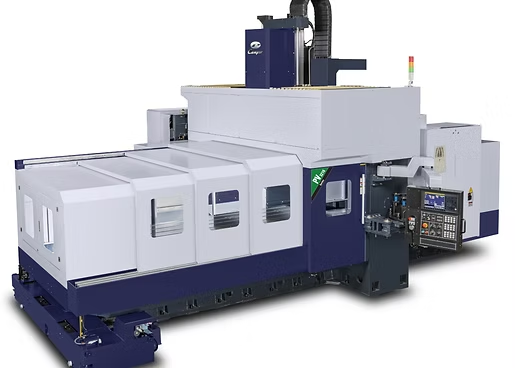
Computer numerical control milling has fundamentally transformed how manufacturers produce precision components across aerospace, automotive, medical device, defence, electronics, and general engineering sectors. A CNC milling machine removes material from a workpiece using rotary cutting tools guided by programmed instructions, producing parts with tolerances measured in thousandths of an inch and surface finishes that manual machining could never consistently achieve. The decision to buy a CNC milling machine is one of the most significant capital investments a manufacturing operation can make, and getting it right requires careful evaluation of your production requirements, material capabilities, tolerance specifications, and long-term growth plans.
Understanding Machine Configurations
Before you buy a CNC milling machine, understanding the primary configurations available ensures you invest in the right platform for your specific application requirements.
- 3-axis vertical mills are the most common configuration, with the spindle oriented vertically and the worktable moving along the X, Y, and Z axes. They handle the majority of general-purpose milling, drilling, and tapping operations efficiently and affordably
- 4-axis machines add a rotary axis that allows the workpiece to rotate during machining, enabling complex angular features and reducing the number of setups required for multi-sided parts
- 5-axis machines provide simultaneous movement across five axes, enabling the production of highly complex geometries, contoured surfaces, and aerospace-grade components in a single setup
- Horizontal mills orient the spindle horizontally, excelling at heavy-duty cutting, deep cavity machining, and high-volume production runs where chip evacuation and tool life are critical performance factors
Key Specifications That Drive Your Decision
When evaluating options to buy a CNC milling machine, the specifications that matter most include:
- Travel range across all axes, which determines the maximum workpiece size the machine can accommodate
- Spindle speed range and horsepower, which dictate the materials you can cut and the metal removal rates you can achieve
- Tool changer capacity, with larger magazines reducing setup time and enabling more complex parts to be completed in fewer operations
- Positioning accuracy and repeatability, which directly determine whether the machine can hold the tolerances your parts require
- Control system brand and capability, with Fanuc, Siemens, and Heidenhain being the most widely used and supported platforms in the industry
New vs Used Equipment
The decision to buy a CNC milling machine new or used depends on your budget, production requirements, and tolerance for risk. New machines come with manufacturer warranties, the latest control technology, factory-calibrated accuracy, and full technical support. Used machines offer significant cost savings, often 40 to 60 percent below new pricing, but require careful inspection of spindle condition, axis backlash, control system age, and overall mechanical wear before purchase.
Reputable dealers who specialise in pre-owned CNC equipment typically rebuild, recalibrate, and warrant their machines before sale, providing a middle ground between new-machine reliability and used-machine affordability that many growing shops find attractive.
Tooling, Training, and Support
The machine itself is only part of the investment when you buy a CNC milling machine. Cutting tools, workholding fixtures, tool presetting equipment, coolant systems, and CAM software all represent additional costs that must be factored into the total investment. Operator training is equally important, as even the most capable machine produces scrap parts in the hands of an undertrained machinist.
Evaluate the manufacturer’s or dealer’s training programmes, technical support availability, spare parts inventory, and service response times before making your final purchasing decision. A machine that sits idle waiting for a service technician or a replacement part costs far more in lost production than the price difference between a well-supported brand and a discount alternative.
The Final Word
The decision to buy a CNC milling machine shapes your operation’s capabilities, quality standards, and competitive positioning for years to come. For manufacturers whose production requirements centre on prismatic parts, complex pocketing, and high-precision component machining, investing in CNC vertical machining delivers the combination of versatility, accuracy, and production efficiency that forms the backbone of modern precision manufacturing across every demanding industry.
