


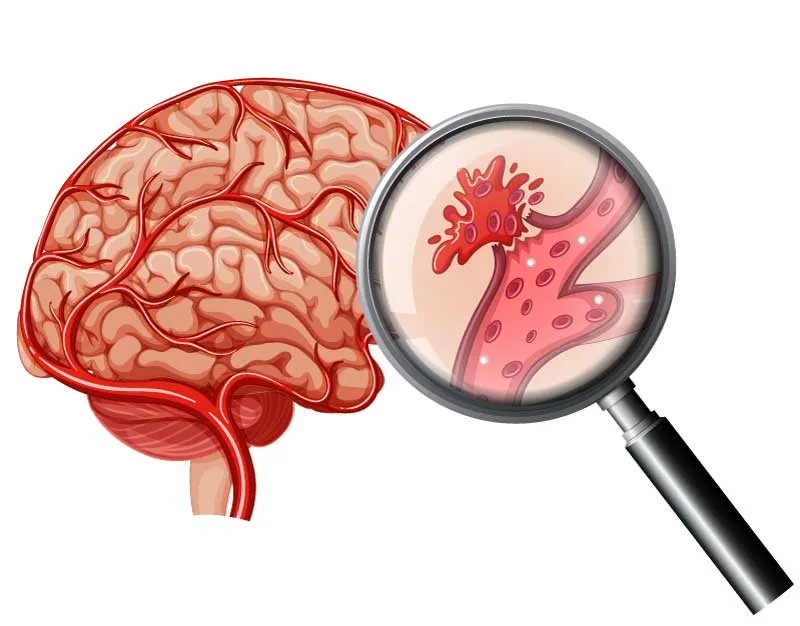
A hemorrhagic stroke is a life-threatening medical emergency that occurs when a blood vessel in the brain ruptures, leading to bleeding within or around brain tissue. Although less common than ischemic stroke, hemorrhagic stroke is often more severe and requires immediate medical attention. Understanding the causes, recognising symptoms, and acting quickly can significantly improve survival and recovery outcomes.
What Is a Hemorrhagic Stroke?
A hemorrhagic stroke happens when weakened blood vessels burst and bleed into the brain. This bleeding increases pressure on brain cells, damaging them and disrupting normal brain function. There are two main types:
- Intracerebral hemorrhage: Bleeding occurs within the brain tissue
- Subarachnoid hemorrhage: Bleeding occurs in the space between the brain and surrounding membrane
Both types are serious and demand urgent care.
Common Causes of Hemorrhagic Stroke
Several underlying conditions and risk factors can lead to a hemorrhagic stroke:
1. High Blood Pressure (Hypertension)
Chronic high blood pressure is the leading cause. It weakens blood vessel walls over time, making them more prone to rupture.
2. Brain Aneurysm
An aneurysm is a bulging, weakened area in a blood vessel. If it bursts, it can cause severe bleeding in the brain.
3. Arteriovenous Malformations (AVMs)
These are abnormal tangles of blood vessels that disrupt normal blood flow and can rupture unexpectedly.
4. Head Injury or Trauma
Accidents, falls, or injuries can damage blood vessels and trigger internal bleeding.
5. Blood-Thinning Medications
Excessive use or incorrect dosage of anticoagulants can increase the risk of uncontrolled bleeding.
6. Liver Disease or Bleeding Disorders
Conditions that affect blood clotting can make hemorrhaging more likely.
Symptoms You Should Never Ignore
Symptoms of a hemorrhagic stroke often appear suddenly and worsen quickly. Immediate recognition is critical:
- Sudden, severe headache (often described as the “worst headache ever”)
- Weakness or numbness in the face, arm, or leg (usually on one side)
- Difficulty speaking or understanding speech
- Vision problems or blurred vision
- Loss of balance or coordination
- Nausea or vomiting
- Seizures or loss of consciousness
Any of these symptoms require emergency medical attention.
Emergency Treatment for Hemorrhagic Stroke
Rapid treatment is essential to control bleeding, reduce pressure in the brain, and prevent further damage.
1. Immediate Medical Response
Emergency services must be contacted immediately. Early intervention can be life-saving.
2. Blood Pressure Management
Doctors work to quickly lower and stabilise blood pressure to reduce further bleeding.
3. Medications
- Drugs to control bleeding and improve clotting
- Medications to reduce brain swelling
- Anti-seizure drugs if necessary
4. Surgical Intervention
In severe cases, surgery may be required:
- Clipping or coiling to repair aneurysms
- Removal of blood (hematoma evacuation)
- Repair of damaged blood vessels
5. Intensive Care Monitoring
Patients are often treated in an ICU where vital functions and neurological status are closely monitored.
Recovery and Rehabilitation
Recovery after a hemorrhagic stroke varies depending on the severity and the area of the brain affected. Rehabilitation plays a crucial role and may include:
- Physiotherapy to regain movement and strength
- Speech therapy to improve communication
- Occupational therapy to restore daily living skills
Early and consistent rehabilitation improves long-term outcomes.
Prevention Tips
While not all cases are preventable, certain steps can reduce risk:
- Maintain healthy blood pressure levels
- Avoid smoking and limit alcohol consumption
- Follow prescribed medication guidelines
- Maintain a balanced diet and regular exercise routine
- Manage chronic conditions such as diabetes
Conclusion
Hemorrhagic stroke is a critical medical condition that requires immediate action. Recognising early symptoms and understanding risk factors such as high blood pressure and aneurysms can save lives. Prompt emergency treatment and proper rehabilitation are key to improving recovery and reducing long-term complications.
FAQs
1. What is the main cause of hemorrhagic stroke?
High blood pressure is the most common cause, as it weakens blood vessels over time.
2. How is hemorrhagic stroke different from ischemic stroke?
Hemorrhagic stroke involves bleeding in the brain, while ischemic stroke is caused by a blocked blood vessel.
3. Can a hemorrhagic stroke be treated?
Yes, with immediate medical care, including medications and sometimes surgery, outcomes can improve.
4. How fast should treatment begin?
Treatment should begin immediately. Delays can lead to severe brain damage or death.
5. Is recovery possible after a hemorrhagic stroke?
Recovery is possible, especially with early treatment and proper rehabilitation, though it varies by case.
