


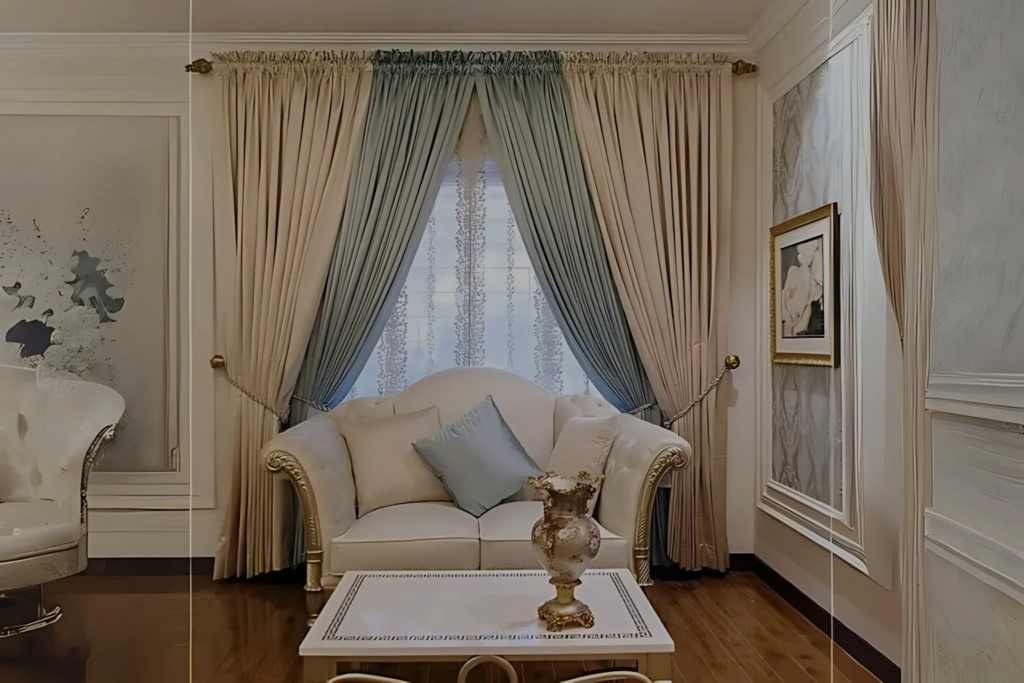
Why Window Coverings Matter
When you think about designing your home, what’s the first thing that comes to mind? Furniture? Paint? Lighting? Most people overlook one powerful design element—window coverings. Curtains and blinds are not just decorative add-ons; they play a critical role in shaping the atmosphere, comfort, and functionality of your living space. Imagine a room without them—it feels incomplete, exposed, and lacking personality.
Window coverings act like the “clothing” of your home. They provide privacy, regulate light, improve energy efficiency, and even enhance your interior design. Whether you want a cozy bedroom, a bright living room, or a professional office setup, the right curtains or blinds can make all the difference.
Another important factor is climate. In hot regions, thick curtains can block heat, while blinds allow airflow and light control. This means choosing wisely can actually reduce your electricity bills. Isn’t that a smart investment?
Curtains vs Blinds Overview
Curtains and blinds often get grouped together, but they are quite different in structure and purpose. Curtains are fabric-based panels that hang from rods and bring softness and elegance to a room. On the other hand, blinds are structured window coverings made from slats or single pieces of material, offering precise light control.
Curtains are usually preferred for bedrooms and living rooms where comfort and style matter. Blinds, however, are popular in offices, kitchens, and modern homes due to their practicality and sleek look. Choosing between the two depends on your needs—do you prioritize aesthetics or functionality?
Types of Curtains
Blackout Curtains
Blackout curtains are designed to block almost 100% of external light. If you’re someone who values uninterrupted sleep or works night shifts, these curtains can be life-changing. They create a dark, peaceful environment even during bright daylight hours.
These curtains are made with thick, tightly woven fabrics that not only block light but also reduce noise and improve insulation. That means your room stays cooler in summer and warmer in winter. It’s like having a shield against the outside world.
Sheer Curtains
Sheer curtains are the opposite of blackout curtains. They are light, airy, and designed to let natural light flow into your space. These are perfect for living rooms where you want brightness without sacrificing privacy completely.
They create a soft, dreamy atmosphere and pair beautifully with heavier curtains. Think of sheer curtains as a filter—like sunglasses for your windows—allowing light in but reducing glare.
Eyelet and Pleated Curtains
Eyelet curtains are modern and easy to install, featuring metal rings that slide smoothly along curtain rods. Pleated curtains, on the other hand, offer a more traditional and elegant look with neatly folded fabric.
Both styles come in various fabrics and designs, making them versatile for different interiors. Whether you prefer minimalism or luxury, there’s a curtain style for you.
Types of Blinds
Roller Blinds
Roller blinds are one of the simplest and most popular options. They consist of a single piece of fabric that rolls up and down using a mechanism. Clean, minimal, and efficient—perfect for modern homes.
They are available in blackout, sunscreen, and translucent fabrics, allowing you to customize light control according to your needs.
Venetian Blinds
Venetian blinds feature horizontal slats, usually made of aluminum, wood, or PVC. These slats can be tilted to control light and privacy precisely. Want sunlight but no glare? Just adjust the angle.
These blinds are perfect for offices and kitchens where flexibility is key.
Vertical Blinds
Vertical blinds are commonly used for large windows or sliding doors. They consist of vertical slats that can be rotated or drawn to the side.
They are practical, easy to maintain, and ideal for commercial spaces. However, they are also gaining popularity in modern homes due to their sleek appearance.
Materials Used in Curtains and Blinds
Fabric Choices
Curtains come in a wide range of fabrics, including cotton, polyester, silk, and velvet. Each material has its own advantages. Cotton is breathable and easy to maintain, while velvet offers a luxurious and heavy look.
Choosing the right fabric depends on your needs—do you want durability, elegance, or easy maintenance?
Wood, Aluminum, and PVC
Blinds are typically made from durable materials like wood, aluminum, or PVC. Wooden blinds provide a warm, natural look, while aluminum blinds are lightweight and modern.
PVC blinds are budget-friendly and resistant to moisture, making them ideal for kitchens and bathrooms.
Benefits of Curtains
Aesthetic Appeal
Curtains bring softness and character to a room. They can completely transform the look and feel of your space. Whether you choose bold patterns or neutral tones, curtains act as a design statement.
Insulation and Privacy
Thick curtains provide excellent insulation, helping you maintain indoor temperature. They also offer full privacy, especially in bedrooms.
Benefits of Blinds
Light Control
Blinds offer precise control over light. You can adjust them to let in just the right amount of sunlight. This makes them ideal for workspaces.
Space Efficiency
Blinds take up less space compared to curtains. They are perfect for small rooms where every inch matters.
Curtains vs Blinds: Key Comparison
| Feature | Curtains | Blinds |
|---|---|---|
| Style | Soft and elegant | Modern and sleek |
| Light Control | Limited | Highly adjustable |
| Maintenance | Moderate | Easy |
| Space Usage | More space required | Compact |
| Cost | Varies widely | Generally affordable |
How to Choose the Right Option
Choosing between curtains and blinds can feel overwhelming, but it doesn’t have to be. Start by asking yourself a few simple questions: What is the purpose of the room? How much light do you want? What is your budget?
For bedrooms, curtains are usually the best choice due to their comfort and privacy. For kitchens and offices, blinds are more practical. You can also combine both for a layered look that offers style and functionality.
Conclusion
Curtains and blinds are more than just decorative elements—they are essential components of any well-designed space. They influence lighting, privacy, temperature, and overall aesthetics. Choosing the right option depends on your personal style, functional needs, and budget.
Think of them as an investment in your home’s comfort and beauty. Whether you prefer the elegance of curtains or the practicality of blinds, the right choice will enhance your living experience.
