


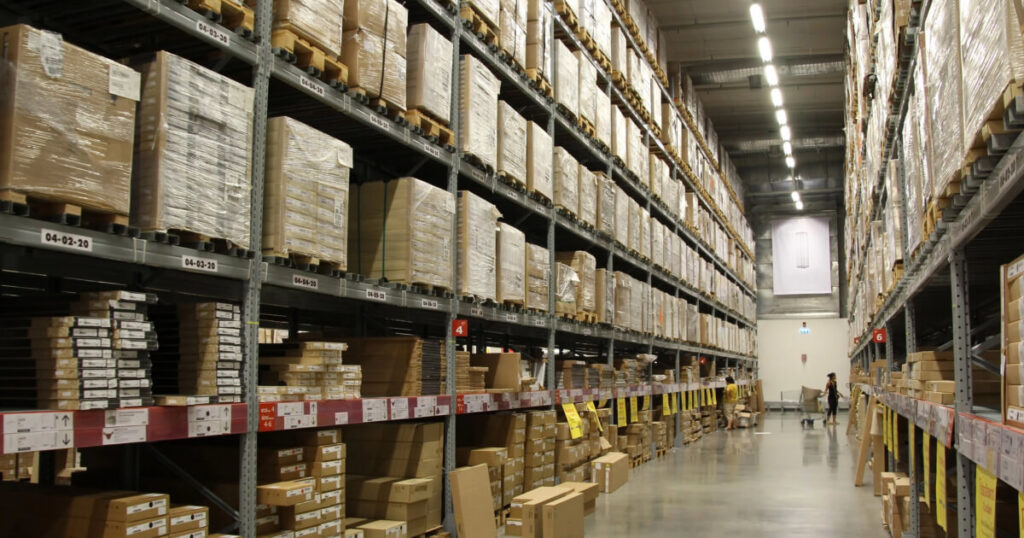
Cash flow is a key part of any business. When money is tied up in unsold stock, it limits growth. Many businesses face this issue at some point. Products sit in storage and do not move. This leads to higher costs and less working capital. A clear plan can solve this problem. Inventory liquidation helps convert extra stock into cash. It also frees up space and improves efficiency. This guide explains a practical approach you can follow step by step.
Understanding the Need for Liquidation
Excess stock builds up for many reasons. Demand may drop. Buying patterns may change. Poor planning can also lead to overstock. Holding too much inventory creates problems. Storage costs increase. Items may lose value over time. Some products may become outdated or expire. This is where inventory liquidation becomes useful. It helps you recover value from stock that is no longer needed. It also improves your cash position.
Review Your Current Inventory
Start with a full review of your stock. List all items and check their condition. Identify slow moving and non moving products. Look at sales data. Find out which items have not sold in a long time. Separate these from your regular stock. This step gives you a clear view of what needs action. It also helps you plan your inventory liquidation process in a better way.
Set Clear Goals
Before you begin, define your goals. Decide what you want to achieve. Your main aim may be to free up space or improve cash flow. You may also want to reduce holding costs. Some businesses focus on clearing outdated items. Others want to prepare for new stock. Clear goals guide your inventory liquidation strategy. They help you make better decisions at each step.
Segment Your Inventory
Not all items should be handled the same way. Group your stock based on type, value, and demand. High value items may need a careful approach. Low value items can be cleared quickly. Some products may still have demand if priced right. Segmentation makes inventory liquidation more effective. It allows you to choose the right method for each group.
Choose the Right Sales Method
There are many ways to sell excess stock. Choose the method that fits your business. You can offer discounts to regular customers. You can create bundles to increase value. Online platforms can also help reach more buyers. Wholesale buyers may take large quantities at once. This can save time and effort. The right method makes inventory liquidation faster and smoother. It also helps you recover more value.
Price Items Realistically
Pricing plays a big role in selling excess stock. Set prices that attract buyers but still bring returns. Do not hold on to high prices for too long. Unsold stock loses value over time. A fair price can help move items faster. Review market rates before setting prices. Adjust when needed. Good pricing improves your inventory liquidation results. It helps turn stock into cash without delay.
Promote Your Clearance
Let customers know about your sale. Use simple and clear messages. Send emails to your customer list. Post updates on your website. Use social media to reach more people. Highlight key offers and limited time deals. Keep your message direct. Promotion supports your inventory liquidation efforts. It brings attention to your excess stock.
Work With Liquidation Partners
In some cases, working with partners can help. Liquidation companies and resellers can handle large volumes. They often buy stock in bulk. This can save time and reduce effort. You may not get full value, but you free up cash quickly. Choose reliable partners with good terms. Review agreements carefully. Partner support can make inventory liquidation easier, especially for large stock levels.
Manage Logistics and Storage
Plan how items will move during the process. Make sure your storage area stays organized. Keep sold items separate from unsold stock. Prepare orders quickly to avoid delays. Efficient handling reduces errors. It also improves customer experience. Good logistics help your inventory liquidation process run smoothly. It keeps operations under control.
Track Your Results
Monitor your progress during the process. Check how much stock has been sold. Measure how much cash has been recovered. Review which methods worked best. Learn from the results. Tracking helps improve future decisions. It also shows the impact of your inventory liquidation efforts.
Prevent Future Overstock
Once you have cleared excess stock, shift your focus toward prevention. Effective planning can help you avoid similar issues in the future. Base your stock orders on actual demand, and avoid overbuying by regularly reviewing sales trends. Use simple tracking tools to stay informed and maintain control. Keeping your inventory balanced not only supports long-term success but also reduces the need to liquidate inventory frequently.
Final Thoughts
Excess stock can slow down your business. It ties up cash and takes up space. A practical plan can fix this problem. Start with a clear review. Set goals and choose the right methods. Price items well and promote your sale. Track your results and improve over time. Inventory liquidation is not just about clearing stock. It is about improving cash flow and making room for better opportunities. With a simple and steady approach, you can turn unused inventory into real value.
