


The oil and gas industry continues to evolve with increasing demand for efficiency, precision and operational reliability. One of the most critical components in this sector is the oil and gas separator, which plays a key role in separating different phases of fluids during production. As industrial processes become more complex, the expectations from separation systems are also rising. Modern technology and improved practices are shaping the future of these systems by addressing performance limitations and operational challenges.
With a growing focus on automation, accuracy and system integration, the role of advanced solutions is becoming more important than ever.
Understanding the Role of Oil and Gas Separators
An oil and gas separator is a fundamental piece of equipment used to divide oil, gas and water from produced fluids. This separation process ensures that each component can be processed, transported or stored efficiently.
The effectiveness of separation directly impacts:
- Product quality
- Operational efficiency
- Equipment longevity
In industrial systems, separators act as the first stage of processing. If separation is not accurate, it can lead to inefficiencies across the entire system. This makes it essential for operators to rely on well-designed and properly maintained separation systems.
As operations scale and become more demanding, the importance of precision in separation continues to increase.
Current Challenges in Separation Systems
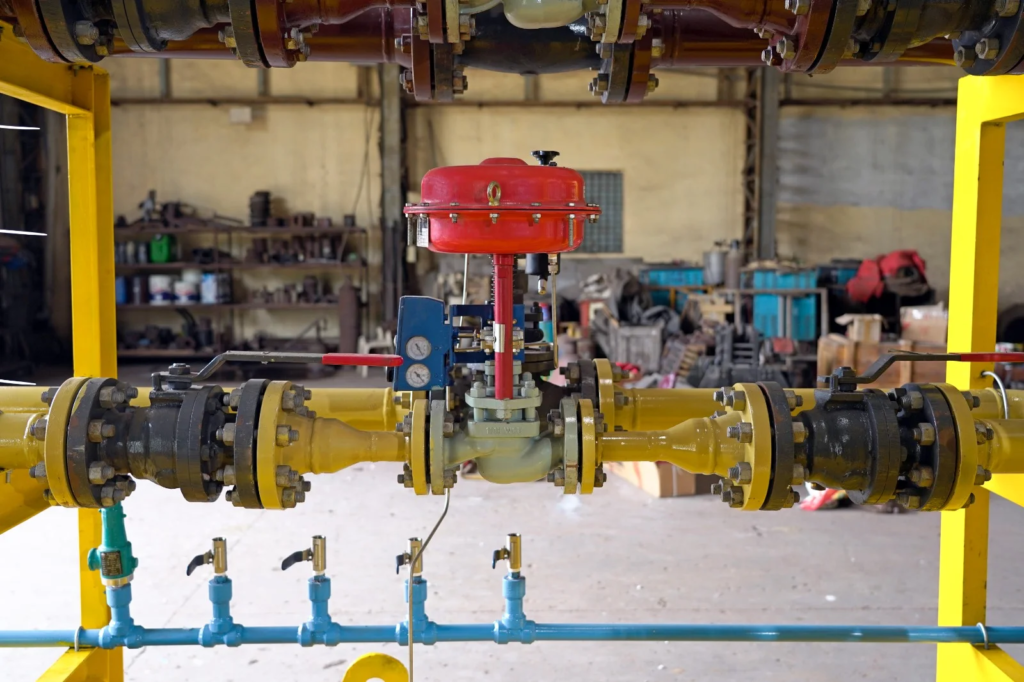
Despite their importance, traditional separation systems face several challenges that limit performance.
Key challenges include:
- Inconsistent separation efficiency due to fluctuating flow conditions
- Wear and tear of internal components affecting long-term reliability
- Difficulty in handling complex fluid mixtures
- High maintenance requirements in harsh environments
These challenges can lead to reduced productivity and increased operational costs. In many cases, outdated designs struggle to meet the demands of modern industrial processes.
Addressing these issues requires both technological upgrades and improved operational practices.
Technological Advancements Shaping the Future
The future of separation systems is being defined by innovation and integration of advanced technologies.
Automation and Digital Monitoring
Automation is transforming how separation systems operate. Sensors and monitoring tools now provide real-time data on:
- Pressure
- Flow rate
- Temperature
This allows operators to make quick adjustments and maintain optimal performance. Automated systems also reduce human intervention, improving consistency and reducing errors.
Advanced Materials and Design
Modern separators are being built using materials that offer:
- Higher resistance to corrosion
- Better durability under extreme conditions
- Longer operational life
Improved internal designs also allow better phase separation, even in complex fluid environments. This leads to more stable and reliable performance over time.
Integration with Smart Systems
Integration with digital platforms enables better control and analysis. Systems can now be connected to central control units, allowing:
- Remote monitoring
- Predictive maintenance
- Data-driven decision making
This shift towards smart systems is a major step in improving overall efficiency.
Role of Supporting Equipment in Separation Systems
Separation systems do not operate in isolation. Their performance depends heavily on supporting equipment and systems.
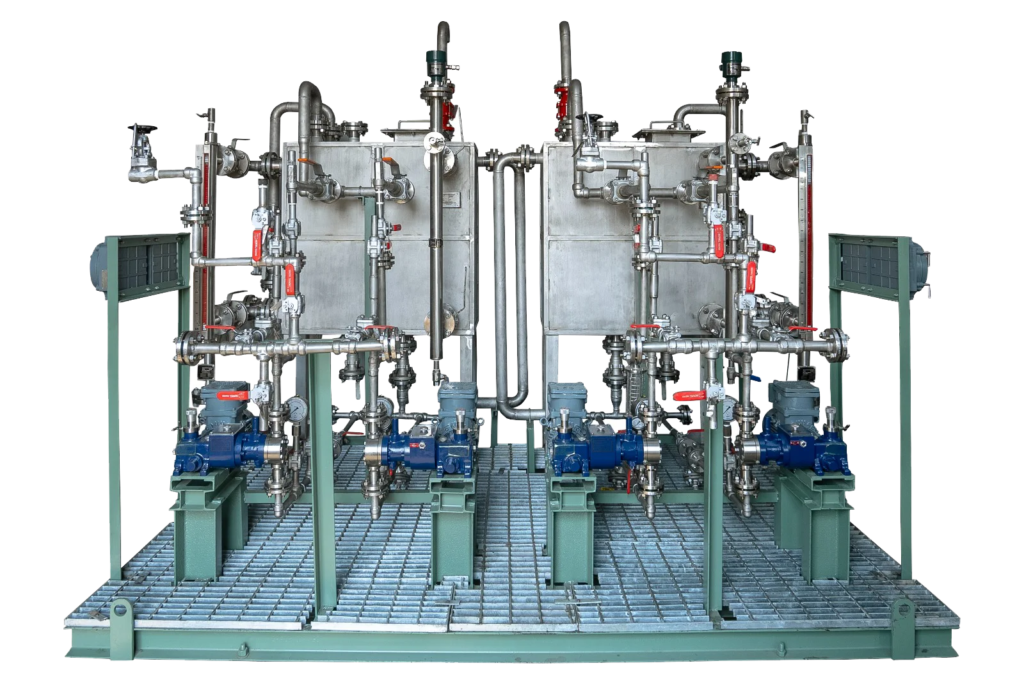
One critical aspect is the controlled injection of chemicals, which helps maintain flow conditions and prevent issues such as corrosion or scaling. This is where the role of chemical dosing pump suppliers becomes important.
Reliable chemical dosing ensures:
- Accurate chemical injection
- Stable process conditions
- Reduced system disruptions
The coordination between separators and supporting systems creates a balanced and efficient operational environment.
Modern Practices Improving Separator Performance
Along with technology, operational practices are also evolving to improve performance.
Preventive Maintenance Strategies
Instead of reactive maintenance, industries are now focusing on preventive approaches. This includes:
- Regular inspection schedules
- Monitoring system parameters
- Early detection of potential issues
Preventive maintenance reduces downtime and extends equipment life.
Process Optimisation Techniques
Optimising process parameters plays a key role in improving separation efficiency. Adjustments in:
- Flow rates
- Pressure levels
- Temperature conditions
can significantly enhance performance. Continuous monitoring helps maintain these parameters within optimal ranges.
System Integration Practices
Modern systems are designed to work in coordination rather than isolation. Integration ensures:
- Smooth data flow between systems
- Better control over operations
- Improved overall efficiency
This approach reduces operational gaps and improves system reliability.
Impact on Efficiency, Safety and Sustainability
The combination of advanced technology and improved practices is bringing noticeable improvements across key areas.
Operational Efficiency
Better separation leads to:
- Higher product quality
- Reduced processing time
- Lower operational costs
Efficient systems also minimise wastage and improve overall productivity.
Safety Improvements
Advanced monitoring and automation reduce the risk of:
- Equipment failure
- Pressure build-up
- Human error
Safer operations are critical in high-risk industries like oil and gas.
Environmental Considerations
Improved separation reduces:
- Emissions
- Waste discharge
- Environmental impact
Sustainable practices are becoming an important part of modern industrial operations.
Industry Trends Driving Change
The industry is witnessing several trends that are shaping the future of separation systems.
Demand for Precision
Industries are now focusing on achieving higher accuracy in separation processes. This demand is driving innovation in both design and operation.
Shift Towards Automation
Automation is no longer optional. It is becoming a standard requirement for maintaining efficiency and consistency.
Focus on Reliability
Reliable systems reduce downtime and improve long-term performance. This is leading to increased investment in quality equipment and advanced technologies.
In addition, collaboration with reliable chemical dosing pump suppliers ensures that supporting systems function efficiently alongside separation units.
Conclusion
The future of separation systems in the oil and gas industry is being shaped by a combination of advanced technology and improved operational practices. As the demand for efficiency and reliability continues to grow, the role of the oil and gas separator becomes even more critical. Integration with modern systems and support from reliable chemical dosing pump suppliers further strengthens performance and stability.
By focusing on innovation, system integration and process optimisation, industries can achieve better results and long-term sustainability. NND OIL & GAS continues to be part of this evolving landscape through its contribution to efficient and reliable system solutions.
