


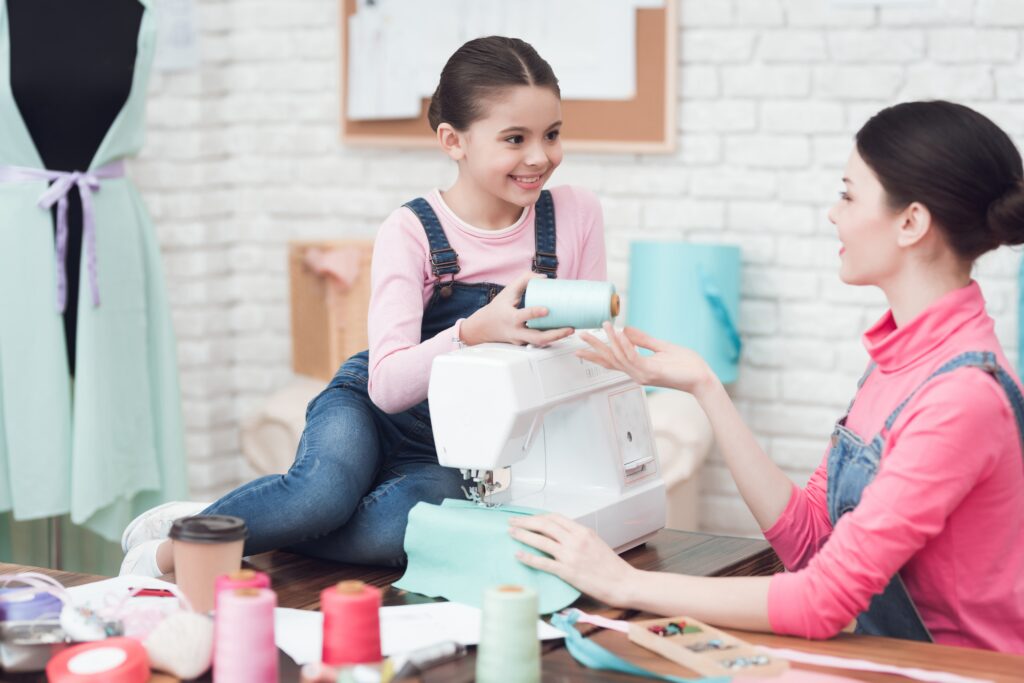
Have you ever stared at a sewing pattern and felt completely lost, wondering if you even belong in a sewing class? You’re not alone.
Starting sewing can feel intimidating – threads tangle, stitches go wonky, and it’s easy to feel like giving up before you’ve even begun. But here’s the thing: every expert once stood exactly where you are now, nervously holding a needle, uncertain about the first stitch. And just like they did, you can move past those first jitters.
With a little guidance from beginner sewing classes in Welland, you can avoid common mistakes and create pieces you’ll truly be proud of. This guide will highlight the pitfalls new sewists often face so you can enjoy the learning process and fall in love with sewing from the very first stitch.
Sewing Blunders Beginners Often Make
Beginner sewists often feel frustrated due to preparation, machine and fabric errors. Here are some specific, very common mistakes any beginner can make.
1. Preparation And Pattern Mistakes
- Skipping Pre-Washing
When it comes to fabrics, some of them have the tendency to shrink when washed. It means that if you skip washing the fabric before you start sewing…your final garment may shrink and ruin your fit.
And honestly? No one wants to wear an ill-fitted outfit. Therefore, make sure to wash your fabric before you make a cut – just to be sure.
- Ignoring Grainlines
This one is also quite common and if ignored…your fabric can twist, stretch or hang unevenly on your body. The grainline – indicating how the pattern piece should align with your fabric’s threads is important to ensure your final outfit hangs properly on your body.
Remember to align the straight grain arrow parallel to the selvage and measure twice before you make a cut (to avoid any mishap).
- Choosing The Wrong Size
One common mistake that you might make or anyone makes at the beginner sewing classes Welland is to rely on store-bought clothing size rather than relying on your own body measurements. Relying on retail sizes can make your garments too tight or too loose.
Therefore, measure your body accurately….preferably over undergarments to ensure a correct size.
2. Sewing And Machine Errors
- Choosing The Wrong Thread
There are many issues a thread may pose. Using incorrect or poor-quality thread can cause mechanical failures and degrade your project. Even a mismatch in thread weight between the top spool and the bobbin can cause unbalanced tension.
That is why – always choose a high-quality thread that won’t tear and also matches perfectly with your fabric.
- Using The Wrong Needles
Needles are not really one-size-fits-all. If you use the wrong type or a worn-out needle, it will cause the most stitching problems.
And obviously, you do not want that… or do you?
That’s why – always match your needle size (e.g., 70/10 for lightweight, 90/14 for medium) and learn to properly insert it into the bobbin case.
- Forgetting To Press The Seams
The most common mistake there is – not pressing the seams. Ironing is just as important before sewing as it is after the outfit is ready to be worn. Unpressed seams can remain puffy…making it difficult to align or flat-fell them later on.
So, the beginner sewing classes Welland tip for you is: press every seam right after sewing it, and use a lifting-and-lowering pressing motion rather than sliding to avoid fabric stretching.
3. Fabric Selection Flaws
- Wrong Fabric Choice For A Beginner
As a beginner, you might want to choose a fabric that is easy to handle. Some beginners often choose aesthetics over performance, which results in a garment that does not hold its shape.
So the key point for you here is to always choose cotton or lawn fabric… as they are quite easy to handle for a newbie.
- Using Poor Materials
Do not go for a cheaper material to save yourself a few bucks. Whether it’s a fabric or even a thread, your poor choice can lead to a poorly stitched garment.
Always choose a fabric of good quality, because even a poor-quality lawn can make you beg for mercy when you start stitching it.
- Ignoring The Fabric Puckering
Fabric puckering is often overlooked when you stitch for the first time. And it so happens because the fabric is pushed down into the needle plate or when the thread tension is wrong.
You must use a scrap fabric first to test the tension dial…. and a beginner sewing classes Welland suggests always use a stabilizer (tissue or iron-on interfacing) to be safe from puckered seams.
How Sewing Classes Can Help You As A Beginner
| Feature | How It Helps Beginners |
| Machine Education | Teaches you to thread, maintain, and master your sewing machine. |
| Essential Tools | Identifies and teaches proper use of tools like seam rippers, shears, and bobbins. |
| Technique Mastery | Guides you through straight lines, corners, curves, and seam finishing. |
| Pattern Reading | Explains how to read, cut, and lay out sewing patterns. |
| Instant Feedback | Instructors fix errors immediately, preventing bad habits. |
| Building Confidence | Helps you complete a project and encourages further creativity. |
| Troubleshooting | Covers common mistakes and how to fix them. |
Mistakes Make A Man Perfect, After All!
Mistakes are a part of the learning process and now that you are quite aware of them…you can easily dodge them. Sewing is all about patience, practice and most importantly, enjoying the process. So don’t be disheartened over a few mistakes – and remember that with every stitch, you are one step closer to mastering the art of creating beautiful, handmade pieces.
Ready to start your sewing journey? We at Stitched Together Studio are here to guide you every step of the way.
