



When it comes to maintaining your vehicle, tyres play a far more important role than many drivers realize. They directly affect fuel efficiency, safety, ride comfort, and durability. Choosing the best car tyres is not just about brand preference—it is about selecting tyres that offer excellent mileage and long-lasting performance under different driving conditions.
Many car owners also wonder, how long do car tyres last before they need replacement? The answer depends on multiple factors, including tyre quality, driving habits, road conditions, and maintenance practices. In this article, we explore how to choose the right tyres and how to maximize their lifespan.
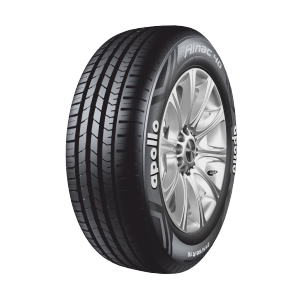
Why Tyre Selection Matters for Mileage
Fuel efficiency is influenced by rolling resistance—the amount of effort required for a tyre to roll on the road surface. Tyres designed with low rolling resistance reduce engine workload, improving mileage.
The best car tyres for mileage are engineered with advanced rubber compounds and optimized tread patterns. These features reduce friction while maintaining a strong grip and stability. A well-balanced tyre ensures smoother rotation, which helps conserve fuel over time.
Drivers who commute daily or travel long distances should prioritize tyres specifically built for durability and efficiency. Over time, fuel savings can significantly offset the initial investment in premium tyres.
Key Features of Long-Lasting Tyres
If you are searching for the best car tyres, look for these essential features:
Durable Rubber Compound
High-quality rubber resists wear and tear caused by heat and friction. Durable compounds extend tyre life without compromising grip.
Strong Tread Design
Tread patterns influence traction and water dispersion. Even tread wear contributes to longer tyre life.
Reinforced Sidewalls
Strong sidewalls protect tyres from damage caused by potholes, curbs, and uneven roads.
Heat Resistance
Excessive heat buildup reduces tyre lifespan. Advanced tyres are designed to dissipate heat effectively, improving durability.
These characteristics help answer the common question: how long do car tyres last when properly designed and maintained? With quality construction, tyres can deliver consistent performance for years.
How Long Do Car Tyres Last?
The lifespan of tyres varies depending on usage. On average, car tyres can last between 40,000 to 80,000 kilometers. However, there is no fixed rule because several factors influence wear.
Driving habits play a major role. Aggressive braking, sharp cornering, and high-speed driving accelerate tread wear. Road conditions also matter—frequent travel on rough or uneven surfaces reduces tyre life.
Climate impacts longevity as well. Extreme heat can harden rubber, while heavy rainfall requires strong tread patterns to maintain grip.
So, how long do car tyres last in real-world conditions? With proper maintenance and moderate driving, quality tyres can serve reliably for four to six years.
Maintenance Tips for Extended Tyre Life
Even the best car tyres require regular care to maintain mileage and durability. Here are essential maintenance practices:
Maintain Proper Air Pressure
Underinflated tyres increase rolling resistance, reducing fuel efficiency and causing uneven wear. Overinflated tyres reduce grip and comfort. Check tyre pressure at least once a month.
Regular Wheel Alignment
Misaligned wheels cause uneven tread wear and reduce tyre lifespan. Periodic alignment ensures balanced contact with the road.
Tyre Rotation
Rotating tyres every 8,000 to 10,000 kilometers promotes uniform wear across all four tyres.
Balance the Wheels
Unbalanced wheels lead to vibrations and uneven wear. Proper balancing improves comfort and tyre longevity.
Inspect Tread Depth
Worn-out treads reduce traction, especially in wet conditions. Monitoring tread depth helps determine when replacement is necessary.
Following these steps significantly influences how long do car tyres last, ensuring you get maximum value from your purchase.
Choosing Tyres Based on Driving Needs
Different drivers have different requirements. Selecting the best car tyres depends on your driving style and environment.
City Driving
For urban commuters, tyres with low rolling resistance and high durability are ideal. Frequent stops and traffic conditions require a strong grip and even wear.
Highway Travel
Long-distance drivers benefit from tyres designed for stability at high speeds and improved heat resistance.
All-Weather Conditions
If you drive in areas with heavy rainfall or temperature variations, all-season tyres offer balanced performance throughout the year.
Understanding your driving pattern helps you make an informed choice that balances performance and longevity.
Signs It’s Time to Replace Your Tyres
No matter how durable they are, tyres eventually need replacement. Here are warning signs:
- Visible cracks or bulges on sidewalls
- Uneven tread wear
- Vibrations while driving
- Reduced braking performance
- Tread depth below recommended limits
If you notice these signs, consult a professional immediately. Ignoring worn tyres increases the risk of accidents and reduces fuel efficiency.
Technology Behind Modern Tyres
Advancements in tyre technology have significantly improved performance and lifespan. Modern tyres use silica-enhanced rubber compounds, optimized tread blocks, and computer-designed patterns for better grip and durability.
Manufacturers invest heavily in research and testing to develop tyres that balance safety, comfort, and efficiency. As a result, today’s best car tyres offer superior performance compared to older designs.
Balancing Cost and Value
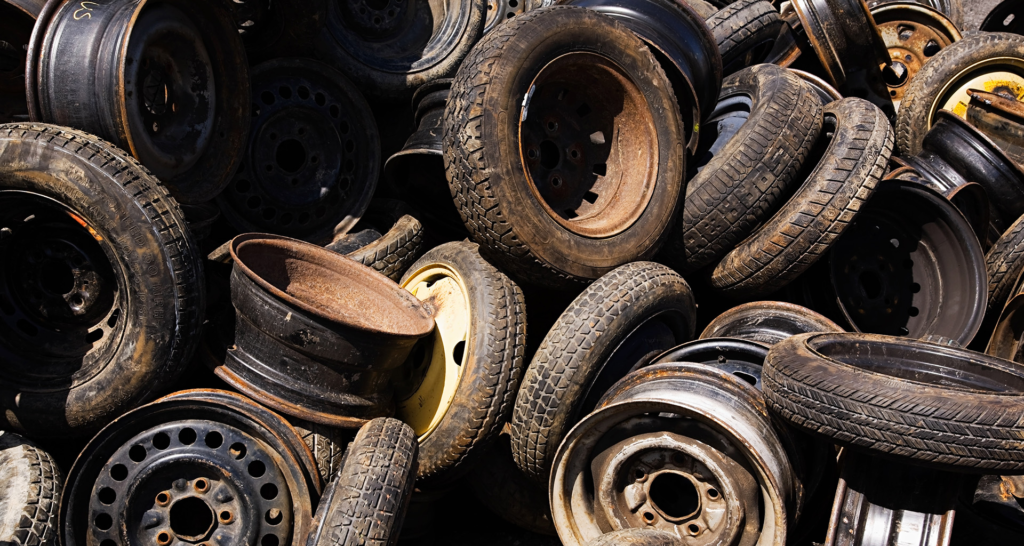
Some drivers choose cheaper tyres to save money upfront. However, lower-quality tyres may wear out quickly, reducing mileage and increasing replacement frequency.
Investing in high-quality tyres may cost more initially, but they often deliver better fuel economy, enhanced safety, and longer service life. When evaluating options, consider long-term benefits rather than only the purchase price.
This perspective also influences the answer to how long do car tyres last—premium tyres, maintained properly, can significantly outperform budget alternatives.
Conclusion
Choosing the best car tyres is essential for achieving optimal mileage, safety, and long-lasting performance. From durable rubber compounds to efficient tread patterns, modern tyres are designed to meet diverse driving needs while maximizing fuel efficiency.
Understanding how long do car tyres last depends on factors such as driving habits, maintenance, and road conditions. With proper care, quality tyres can provide reliable performance for several years.
For drivers seeking dependable, high-performance tyre solutions, trusted manufacturers like Apollo Tyres offer advanced technology and durable designs tailored to modern vehicles. Investing in the right tyres today ensures safer journeys and better mileage for the long run.