


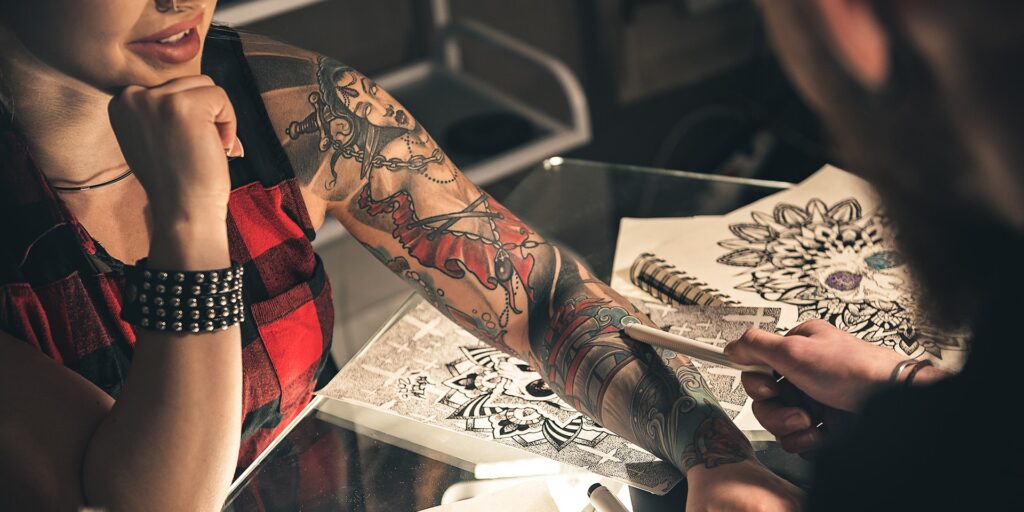
Tattoos are a powerful form of self-expression, but sometimes people outgrow their old ink or want to replace a poorly designed tattoo. That’s where cover-up tattoo techniques come in. Professional tattoo artists use creative skills and advanced methods to transform unwanted tattoos into fresh and meaningful artwork.
Modern Tattoo Services now offers a wide range of cover-up solutions that help clients feel confident about their body art again. Whether your tattoo has faded, lost its meaning, or simply doesn’t match your style anymore, a skilled artist can redesign it beautifully.
Understanding Tattoo Cover-Ups
A cover-up tattoo involves designing a new tattoo that completely hides or blends the original one. Unlike regular tattoos, cover-ups require special planning, deeper shading, and creative design strategies.
Professional artists evaluate several factors before starting a cover-up, including
- Size of the old tattoo
- Ink color and darkness
- Tattoo placement
- Skin condition
Experienced studios offering tattoo services carefully assess these elements to create the best possible design.
1. Dark Ink and Layering Techniques
One of the most common cover-up tattoo techniques is using darker ink colors to hide the existing tattoo. Black, deep blue, dark green, and rich red shades are often used to effectively cover old ink.
Layering techniques allow artists to place new shapes and shading over the previous design. This method works especially well for covering faded tattoos.
Benefits include:
- Strong coverage
- Long-lasting results
- Clean transformation of old designs
2. Larger and Expanded Designs
A successful cover-up tattoo often requires a design larger than the original tattoo. Expanding the artwork gives the artist more space to incorporate new elements and hide the previous design completely.
Popular expanded cover-up designs include
- Floral patterns
- Mandala artwork
- Animals or birds
- Geometric designs
Professional tattoo services often recommend these styles because they contain detailed shading and patterns that help conceal older tattoos.
3. Strategic Shading and Texture
Shading plays a crucial role in tattoo cover-ups. Skilled artists use gradients, shadows, and textures to blend the old tattoo into the new design.
Advanced shading techniques include:
- Soft shadow blending
- Dotwork shading
- Blackwork textures
These techniques help hide outlines and make the new tattoo look natural and balanced.
4. Creative Design Transformation
Sometimes the best approach is to transform the old tattoo into part of a completely new concept. Instead of hiding it entirely, artists integrate the old elements into a new design.
For example:
- Turning a faded name into a floral design
- Transforming tribal tattoos into modern blackwork
- Converting small tattoos into larger artistic pieces
Professional tattoo services often specialize in creative transformations that make the new tattoo look intentional and artistic.
5. Color Correction Techniques
If the old tattoo has faded or uneven colors, artists may use color correction techniques before designing the cover-up.
This may involve:
- Neutralizing old ink tones
- Adding darker color layers
- Blending vibrant pigments
These steps help create a smoother base for the final cover-up tattoo design.
Conclusion
A cover-up tattoo is an excellent solution for anyone who wants to refresh or replace an old tattoo. With the help of experienced artists and professional tattoo services, unwanted tattoos can be transformed into stunning new artwork. Choosing a skilled tattoo studio ensures that your cover-up is carefully planned, artistically designed, and beautifully executed.
Frequently Asked Questions
1. Can every tattoo be covered with a cover-up tattoo?
Most tattoos can be covered, but the design and technique will depend on the size, color, and darkness of the original tattoo.
2. Are cover-up tattoos more expensive?
Yes, cover-up tattoo work usually costs more because it requires advanced techniques, detailed planning, and additional ink work.
3. Do cover-up tattoos hurt more than regular tattoos?
The pain level is similar to regular tattoos, but the process may take longer depending on the design complexity.
4. How do I choose the best design for a cover-up tattoo?
Consult professional tattoo services to discuss design ideas that effectively hide the old tattoo while matching your personal style.
5. How long should I wait before getting a cover-up tattoo?
If you already have a tattoo you want to cover, it should be fully healed before getting a cover-up tattoo, usually around 2–3 months.
