


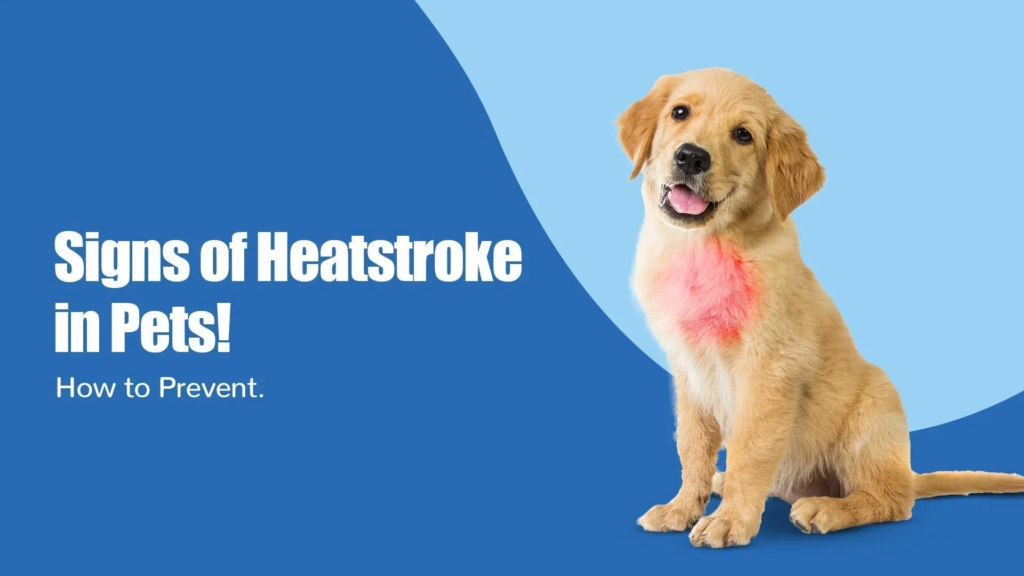
Dogs can easily overheat during warm weather, especially in places with strong sunlight and high temperatures. Heatstroke is one of the most serious emergencies a dog can face. It happens when a dog’s body temperature rises to dangerous levels and they cannot cool down quickly enough. For pet owners in Keysborough, understanding the warning signs and knowing what to do can save a dog’s life.
Why Dogs Are Vulnerable to Heatstroke
Unlike humans, dogs do not sweat through their skin to regulate body temperature. They mainly cool themselves by panting. When the temperature becomes too high or a dog exercises too much in hot weather, panting may not be enough to reduce body heat.
Dogs left in parked cars, exposed to direct sunlight, or exercised during the hottest parts of the day are at the highest risk. Certain breeds such as Bulldogs, Pugs, and other flat-faced dogs are also more prone to overheating.
Common Symptoms of Heatstroke in Dogs
Recognizing the early signs of heatstroke is extremely important. The faster a dog receives help, the better their chances of recovery.
Common symptoms include:
- Excessive panting or difficulty breathing
- Drooling or thick saliva
- Rapid heart rate
- Weakness or collapse
- Vomiting or diarrhea
- Bright red gums or tongue
- Confusion or lack of coordination
As heatstroke progresses, dogs may experience seizures or lose consciousness. This stage is life-threatening and requires immediate veterinary care.
Immediate First Aid for Heatstroke
If you suspect your dog is suffering from heatstroke, quick action is critical.
First, move the dog to a cool and shaded area immediately. Offer small amounts of cool (not icy) drinking water. Pour cool water over the dog’s body, especially on the stomach, paws, and neck.
Using a fan or increasing airflow can also help lower body temperature. However, avoid using ice-cold water or ice packs because they may cause blood vessels to constrict, slowing the cooling process.
Even if your dog appears to improve, veterinary attention is still necessary because internal damage may occur.
Preventing Heatstroke in Dogs
Prevention is always better than emergency treatment. Simple precautions can significantly reduce the risk of heatstroke.
Always ensure your dog has access to fresh drinking water and shade when outdoors. Avoid walks during the hottest hours of the day and choose early mornings or evenings instead.
Never leave a dog inside a parked car, even for a few minutes. Temperatures inside vehicles can rise rapidly and become deadly.
Regular grooming and maintaining a healthy weight can also help dogs regulate body temperature more effectively.
When to Contact a Veterinarian
Heatstroke is a medical emergency that should never be ignored. If your dog shows signs of severe overheating, contacting a veterinarian immediately is essential.
Veterinary professionals can provide oxygen therapy, intravenous fluids, and monitoring to prevent complications such as organ damage.
For Keysborough pet owners, quick action and professional care are the most important steps in protecting your dog from the dangers of extreme heat.
Final Thoughts
Heatstroke is preventable, but it requires awareness and responsible care from pet owners. By recognizing the symptoms early, applying proper first aid, and seeking veterinary assistance quickly, you can help ensure your dog stays safe and healthy during hot weather.
FAQ
1. What temperature is dangerous for dogs?
Temperatures above 30°C can be risky for dogs, especially if humidity is high or if the dog is exercising.
2. How quickly can heatstroke happen in dogs?
Heatstroke can occur within minutes, particularly in hot cars or during intense exercise in warm weather.
3. Are certain dog breeds more likely to suffer from heatstroke?
Yes, brachycephalic breeds such as Pugs, Bulldogs, and Shih Tzus are more vulnerable because they have difficulty cooling themselves through panting.
4. Can dogs recover fully from heatstroke?
Yes, if treated quickly. However, severe cases may lead to organ damage, which is why immediate veterinary care is critical.
5. How can I keep my dog cool during summer?
Provide shade, fresh water, avoid midday walks, and ensure proper ventilation in living areas. Cooling mats or shaded resting spots can also help.
