


Embroidery has come a long way from simple hand stitching. Today, modern embroidery machines bring designs to life with incredible detail and precision. But behind every flawless stitch lies a crucial element that many beginners overlook: the DST file and the proper embroidery file format.
Whether you are a hobbyist creating custom designs at home or a business looking to brand your products, understanding these file formats is essential. In this guide, we will break down everything you need to know about DST files, popular embroidery file formats, and how to use them effectively.
What Is a DST File?
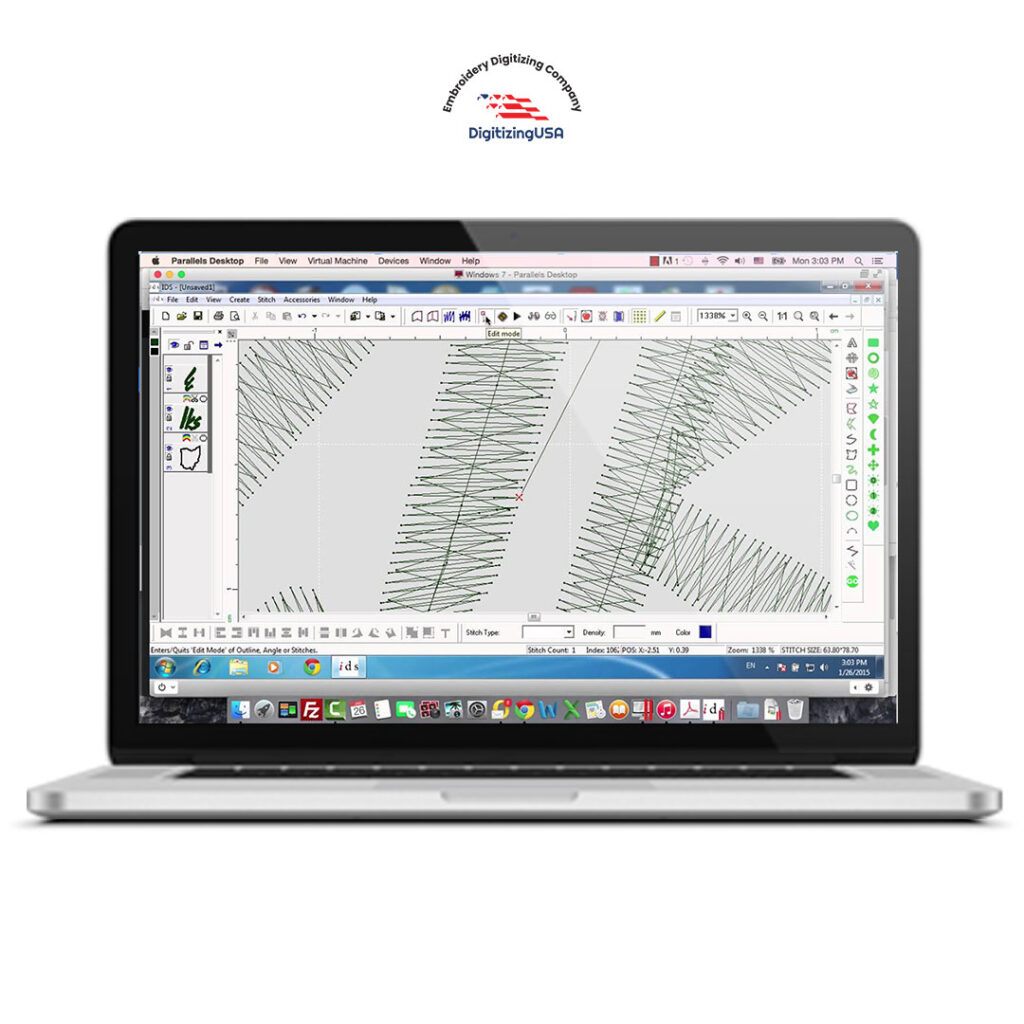
A DST file is one of the most commonly used embroidery file formats. Originally developed by Tajima, it is widely supported across different commercial embroidery machines. The DST file contains detailed instructions for the embroidery machine, including:
- Stitch placement
- Stitch direction
- Stitch length
- Thread color changes (in some cases)
Essentially, a DST file is the blueprint that tells your embroidery machine exactly how to stitch your design. Without it, even the best machine cannot accurately recreate your artwork.
Why DST Files Are Important in Embroidery
Many people make the mistake of sending a PNG, JPG, or vector file directly to an embroidery machine, expecting it to stitch the design perfectly. Unfortunately, machines cannot interpret standard image files.
Here’s why DST files are crucial:
- Precision: Every stitch is mapped out for perfect alignment.
- Consistency: The design remains the same whether stitched once or hundreds of times.
- Compatibility: DST files work with most commercial embroidery machines.
- Efficiency: Reduces errors, thread breaks, and fabric distortion.
In short, a DST file is not just a format—it’s the key to professional-quality embroidery.
Common Embroidery File Formats
While DST is popular, it’s not the only embroidery file format you may encounter. Here are a few others:
- PES: Brother and Babylock machines use this format.
- EXP: Melco machines primarily use EXP files.
- JEF: Janome machines use JEF for stitching.
- VP3: Husqvarna Viking and Pfaff machines use VP3 files.
Each format has its advantages, but the core idea remains the same: all formats tell the embroidery machine how to stitch your design.
How to Choose the Right Embroidery File Format
Choosing the correct embroidery file format depends on:
- Your Machine: Check the formats supported by your embroidery machine.
- Design Complexity: Some formats handle complex designs better than others.
- Commercial Requirements: If you are selling designs, make sure they are compatible with your client’s machines.
When in doubt, DST files are generally the safest choice because of their wide compatibility and reliability.
Converting Artwork to DST Files
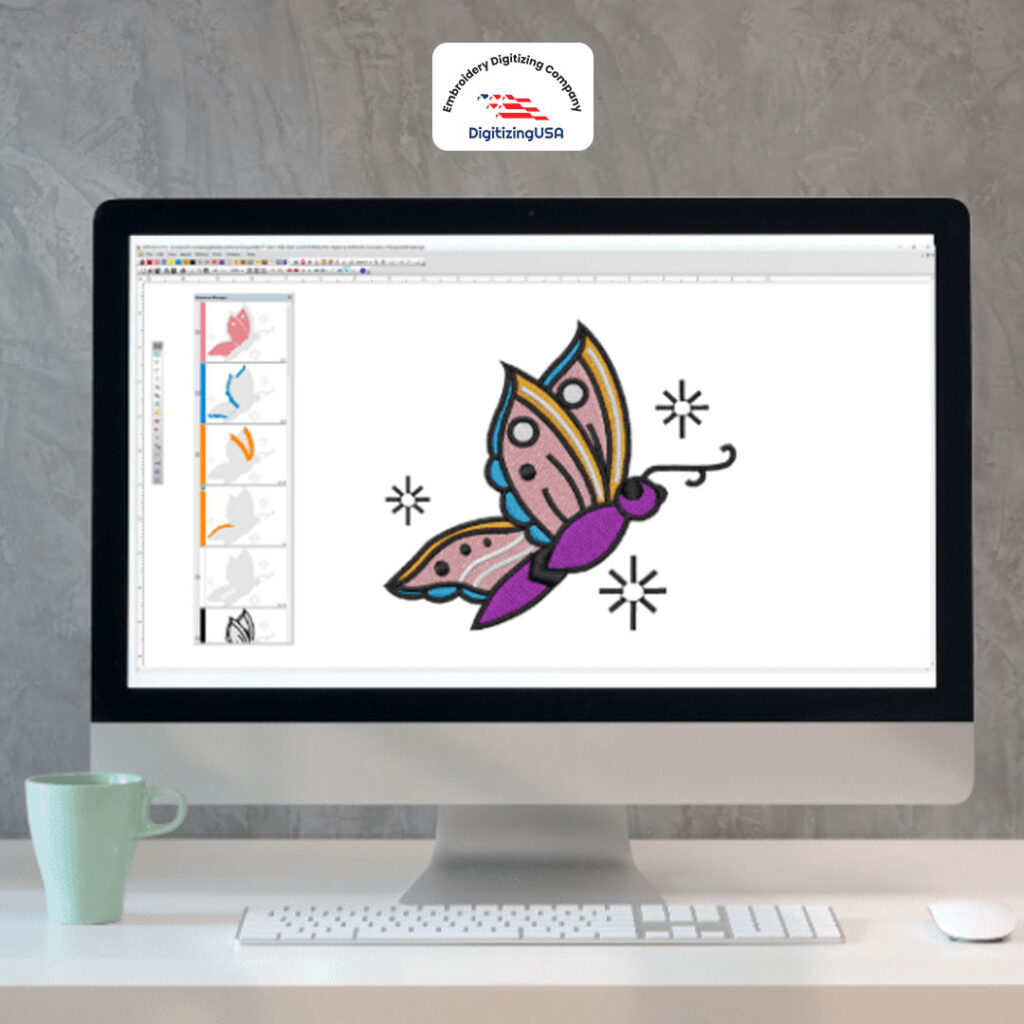
If you have a logo, image, or vector design, it must be converted to a DST file using embroidery digitizing software. The process involves:
- Analyzing the design to identify shapes and details.
- Mapping stitch types like satin, fill, or running stitches.
- Adjusting stitch density and underlay for fabric stability.
- Saving in DST or other required embroidery file formats.
A skilled digitizer ensures your design stitches perfectly without thread breaks or distortion.
Tips for Using DST Files and Other Embroidery File Formats
- Always use high-resolution artwork to prevent stitch loss.
- Check the fabric type and adjust stitch density accordingly.
- Keep your software updated to handle the latest embroidery file formats.
- Test stitch on scrap fabric before mass production.
These small steps can save time and prevent costly mistakes.
Why Understanding DST and Embroidery File Formats Matters
For businesses, understanding DST files and embroidery file formats can make a huge difference. High-quality embroidery:
- Improves brand perception
- Reduces production errors
- Saves time and resources
Even for hobbyists, knowing the right file format ensures that your creative designs turn out exactly as imagined.
Conclusion
A DST file and the correct embroidery file format are the backbone of modern embroidery. They bridge the gap between your design idea and the final stitched product. Whether you are a professional embroiderer or a passionate hobbyist, mastering DST files ensures flawless, professional results every time.
Investing time in understanding embroidery file formats is not just technical—it’s the difference between ordinary stitching and professional-quality embroidery that stands out.
