


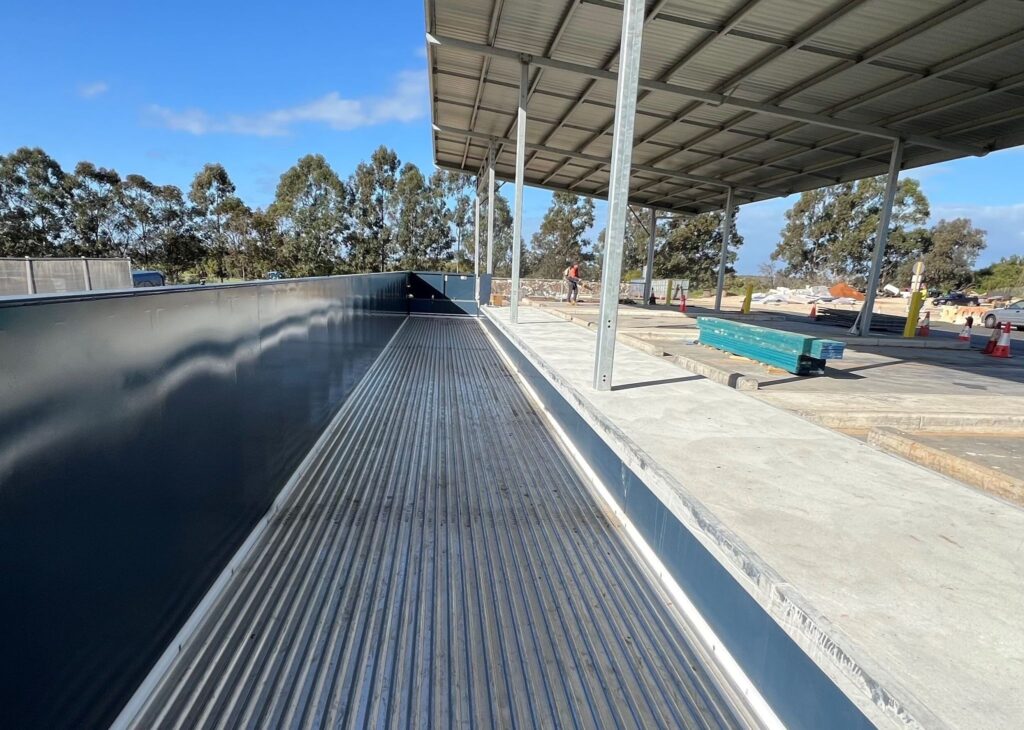
Material handling systems play a critical role in industries that manage large volumes of waste, recyclables, bulk materials, and industrial products. Businesses constantly seek ways to improve operational efficiency, reduce manual labour, and streamline the movement of materials across facilities. Poor handling systems can lead to delays, increased maintenance costs, and operational bottlenecks that negatively impact productivity.
In industrial facilities focused on waste management and bulk material transport, moving floor pits are increasingly recognised as a practical solution to improve workflow and reduce downtime. These systems are designed to support efficient unloading and transfer of materials, helping businesses maintain consistent operations while reducing manual intervention. By creating a controlled method of transporting materials, industries can improve safety standards and optimise productivity.
Understanding Moving Floor Pit Systems
Moving floor pit systems are specialised installations used to handle and transfer bulk materials efficiently. These systems are commonly integrated into facilities that process waste, recyclables, biomass, timber, agricultural products, and construction debris. Their primary purpose is to simplify unloading processes while maintaining a steady material flow.
Unlike traditional unloading methods that rely heavily on manual labour or multiple machinery operations, floor pits automate much of the process. Materials are deposited into a designated pit area and transferred through automated systems to conveyors, sorting areas, or processing equipment.
This streamlined approach allows facilities to manage high material volumes while minimising congestion and operational interruptions.
Why Industries Are Adopting Moving Floor Systems
Industries handling heavy or loose materials often face challenges related to transport delays, labour intensity, and material spillage. Automated floor systems help address these issues by providing continuous and organised movement.
One of the major reasons businesses choose moving floor pits is their ability to improve operational efficiency. Facilities can process larger quantities of materials in shorter periods, reducing waiting times for transport vehicles and improving turnaround times.
These systems also support smoother logistics by reducing dependence on loaders or forklifts for internal transportation, helping operators save time and labour costs.
Key Benefits of Moving Floor Pit Systems
Improved Material Flow
Industrial operations often depend on uninterrupted movement between unloading and processing stages. Moving floor systems provide a controlled transfer mechanism that enables materials to move steadily without creating bottlenecks.
This consistent movement can be especially beneficial for recycling centres and waste management facilities where large volumes require continuous processing.
Reduced Manual Labour
Manual material handling can be physically demanding and may increase workplace safety concerns. Automated pit systems reduce the need for extensive labour during unloading and transportation processes.
By lowering manual involvement, facilities can improve worker safety while reallocating labour to other important operational tasks.
Better Space Optimisation
Industrial sites often operate within limited space constraints. Traditional unloading methods may require larger storage zones or additional machinery movement areas.
Installing can improve space utilisation by creating more organised handling zones and reducing clutter associated with material stockpiling. Efficient pit placement also helps maintain smoother vehicle movement across industrial facilities.
Increased Operational Safety
Handling bulk materials can create risks related to dust, spills, uneven loading, and vehicle congestion. Automated systems help reduce these challenges by providing structured unloading environments.
Safer workflows often contribute to fewer workplace disruptions and better compliance with industrial safety practices.
Industries That Benefit from Moving Floor Pits
Several sectors benefit significantly from advanced material handling systems.
Waste Management and Recycling
Facilities processing recyclable materials often require efficient systems capable of handling large quantities of mixed waste. Automated pit systems improve sorting preparation and reduce unloading delays.
Agriculture and Biomass Processing
Agricultural operations frequently manage grain, organic matter, and biomass products. Efficient movement systems support faster handling while reducing waste during transport.
Construction and Demolition
Construction sites and demolition facilities often process heavy debris materials. Reliable handling systems help improve transportation and loading efficiency while supporting faster material separation.
As industrial automation continues expanding, floor pits remain relevant for organisations focused on improving productivity and reducing inefficiencies.
Conclusion
Efficient material handling remains essential for industries managing high-volume operations. Choosing systems that reduce downtime, improve workflow, and support safer operations can significantly influence productivity and long-term performance. Automated floor systems help businesses simplify unloading procedures while creating more organised processing environments.As industries continue adopting advanced handling solutions, integrating technologies such as a trommel screen alongside automated transfer systems can further improve sorting and operational efficiency in demanding industrial environments.
