


In today’s competitive industrial and commercial landscape, controlling operational costs is a top priority. Energy expenses often account for a significant portion of a facility’s operating budget, making efficient energy use critical for sustainability and profitability. This is where Power Management Software and Energy Management Software come into play. These solutions offer businesses and industries the tools to monitor, analyze, and optimize energy consumption, leading to substantial cost savings while enhancing overall operational efficiency.
Understanding Power Management Software and Energy Management Software
Power Management Software is designed to monitor and control electrical systems within a facility. It provides real-time insights into energy consumption, identifies inefficiencies, and enables automated control of electrical equipment. By optimizing how power is used across operations, businesses can reduce unnecessary energy waste and prevent equipment overloading.
On the other hand, Energy Management Software focuses on a broader perspective of energy usage, including electricity, gas, and other resources. It helps organizations track energy patterns, generate reports, and implement strategies to reduce consumption. Together, these software solutions provide a holistic approach to energy efficiency and operational cost management.

Key Ways These Software Solutions Reduce Operational Costs
1. Real-Time Energy Monitoring
One of the biggest advantages of Power Management Software and Energy Management Software is real-time energy monitoring. By continuously tracking energy usage across different systems and departments, facility managers can quickly identify areas of excessive consumption or wastage.
For example, lighting systems, HVAC units, and industrial machinery may consume more power than necessary during non-peak hours. With real-time monitoring, adjustments can be made immediately, reducing energy bills without affecting productivity.
2. Optimizing Equipment Usage
Both Power Management Software and Energy Management Software provide insights into equipment performance and energy efficiency. Businesses can identify underperforming machines, schedule maintenance proactively, and ensure that equipment runs at optimal load levels.
Optimized equipment usage prevents overconsumption and prolongs the lifespan of machinery, reducing replacement costs and maintenance expenses.
3. Automated Control for Efficiency
Modern Power Management Software often includes automated control features that manage energy-intensive systems intelligently. For instance, motors, pumps, or HVAC systems can be automatically switched off during idle periods or adjusted to operate in energy-saving modes.
This automation eliminates the risk of human error, ensures consistent energy savings, and directly lowers operational costs.
4. Energy Auditing and Reporting
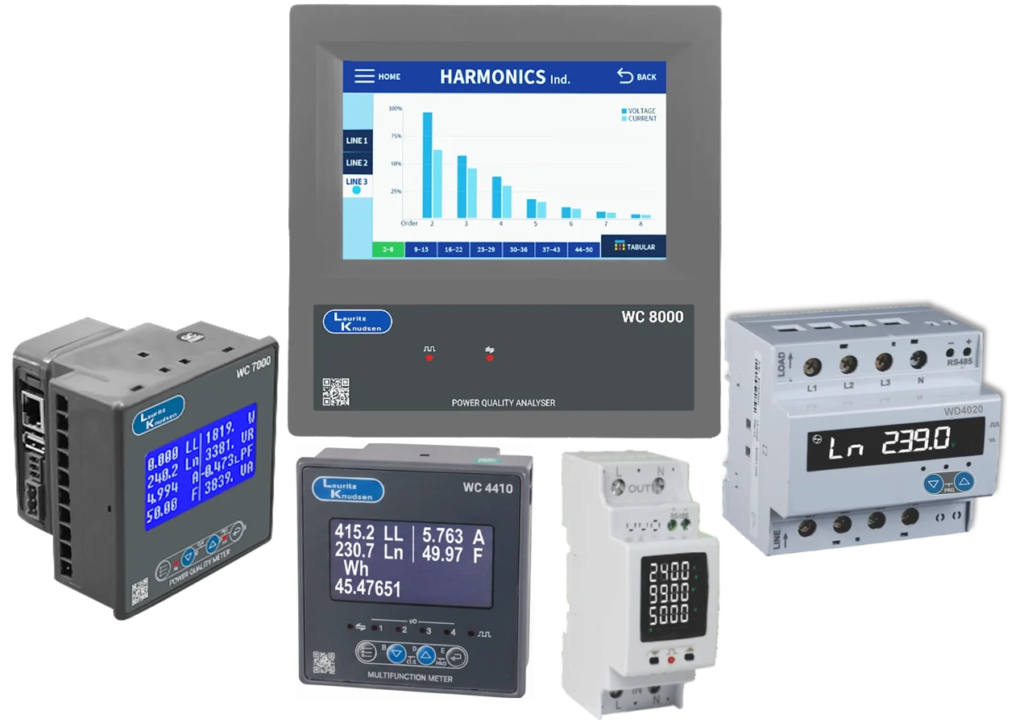
Energy Management Software enables detailed energy audits and generates comprehensive reports on usage patterns, peak demand times, and cost trends. These insights allow businesses to make informed decisions regarding energy-saving strategies, such as rescheduling high-energy tasks to off-peak hours or investing in more efficient equipment.
Detailed reporting also supports compliance with environmental regulations and sustainability initiatives, which can reduce penalties or additional energy charges.
5. Demand Management and Load Shifting
High energy costs are often associated with peak demand charges. Both Power Management Software and Energy Management Software help organizations implement demand management strategies by shifting energy-intensive operations to off-peak periods.
By managing load efficiently, businesses can avoid peak energy rates, significantly reducing electricity bills while maintaining operational performance.
6. Integration with Renewable Energy
Many organizations are integrating renewable energy sources, such as solar panels, into their operations. Energy Management Software can seamlessly integrate with renewable energy systems to optimize usage, store excess energy, and reduce reliance on grid electricity.
This integration not only decreases operational costs but also contributes to sustainability goals, creating a positive impact on both finances and corporate social responsibility initiatives.
Benefits Beyond Cost Reduction
While cost savings are the primary advantage, implementing Power Management Software and Energy Management Software offers additional benefits:
- Improved Operational Efficiency: Energy-efficient practices lead to smoother operations and reduced downtime.
- Sustainability: Reducing energy waste supports environmental initiatives and improves brand reputation.
- Predictive Maintenance: Monitoring equipment prevents unexpected failures and associated repair costs.
- Data-Driven Decisions: Comprehensive analytics enable informed decisions for both energy management and operational planning.
By leveraging these benefits, organizations gain a competitive edge while promoting responsible energy use.
Conclusion
Reducing operational costs in modern facilities requires more than traditional energy-saving measures. Power Management Software and Energy Management Software provide a comprehensive monitoring solution, optimizing, and controlling energy usage across industrial and commercial environments. By enabling real-time monitoring, equipment optimization, automated control, and demand management, these tools help organizations minimize energy expenses, enhance efficiency, and support long-term sustainability initiatives.
For businesses seeking reliable and advanced energy management solutions, Lauritz Knudsen offers state-of-the-art Power Management Software and Energy Management Software designed to maximize efficiency, reduce operational costs, and ensure sustainable energy use. Investing in these technologies empowers organizations to control expenses effectively while maintaining high operational performance.
