


Enter any gym in Pakistan, and you’ll find the same phenomenon: regular cotton t-shirts drenched with sweat, thrifted jogger shoes worn into heavy squats, and shared weight-lifting belts rotated between sets.
None of these sounds like a big deal, but they leave an effect on performance. Your ability to train effectively is affected by stability, mobility, and comfort. That fine line between making average progress and noticeable improvement is often in the details.
Smart upgrades in gym gear don’t just improve comfort, but they also improve output, consistency, and long-term results.
The Friction Problem Most People Ignore
Training intensity matters. But so does what supports that intensity.
Every small discomfort during a workout drains focus. Adjusting a heavy shirt mid-set, slipping slightly during lunges, or feeling unstable under a loaded barbell may seem minor, but over time, these distractions reduce training quality.
Less stability means less force production. Poor breathability means earlier fatigue. Weak grip means lighter lifts.
When your equipment creates friction, your performance drops even if your effort doesn’t.
Removing that friction is often the fastest way to improve results.
Upgrade #1: Proper Training Shoes
Your shoes are the foundation of every rep.
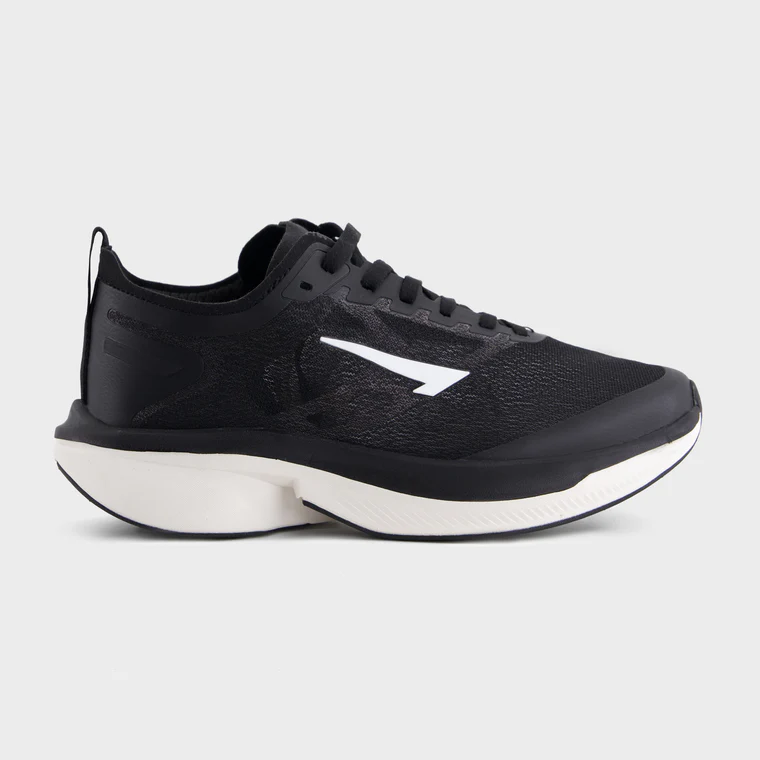
Many gym-goers use casual jogger shoes for men or heavily cushioned running shoes in Pakistan for all types of workouts. While the best running shoes for men are excellent for forward motion and road impact, they aren’t built for heavy squats or deadlifts.
Training shoes provide:
- A flatter, firmer sole for stability
- Better lateral support
- Improved grip on hard gym floors
This makes a noticeable difference during strength sessions. Proper gym shoes for men help transfer force more efficiently into the ground, increasing balance and confidence.
We often recommend choosing footwear designed specifically for real training environments. Purpose-built options from brands like One Degree, created with Pakistani gym conditions in mind, focus on durability and structure rather than unnecessary cushioning.
Stability first. Cushioning second.
Upgrade #2: Ditch the Heavy Cotton T-Shirt
This is one of the most common friction points in Pakistani gyms.
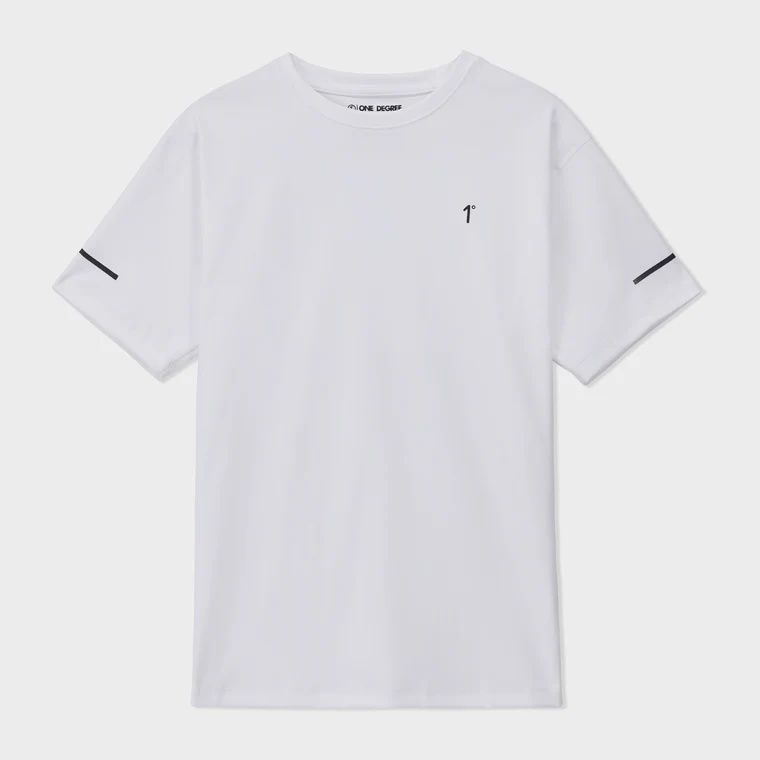
Regular cotton t-shirts absorb sweat quickly. Within minutes, they become heavy, stick to the body, and restrict shoulder mobility during overhead presses, rows, and pull-ups. In long summer sessions, they trap heat and accelerate fatigue.
Performance fabrics work differently.
Moisture-wicking materials pull sweat away from the skin. Lightweight blends improve airflow. Athletic cuts allow a full range of motion without excess fabric getting in the way.
Better breathability means better stamina. Better mobility means cleaner reps.
Performance-driven activewear engineered for Pakistan’s climate (like the kind offered by One Degree) bridges comfort and output. It’s not about fashion. It’s about function under real training conditions.
Upgrade #3: Core Support Accessories
Gym accessories aren’t extras; they’re performance tools.
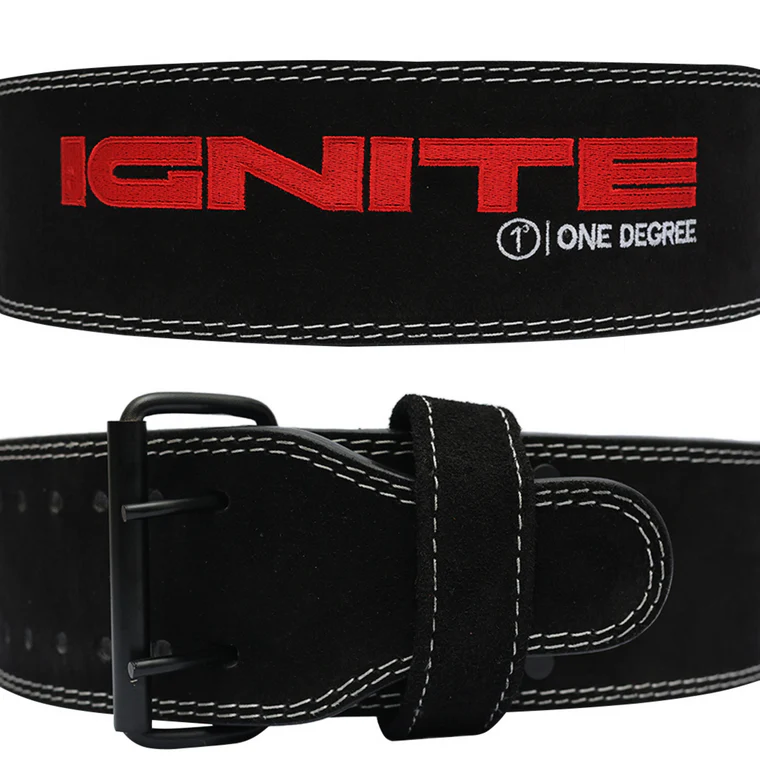
In a local strength culture, the lifting belt is often the first serious upgrade. A properly fitted belt improves core stability during heavy squats and deadlifts, increasing both safety and confidence under load.
Add to that:
- Lifting straps for stronger pulls
- Wrist wraps for pressing stability
- Supportive training socks for grip and comfort
- A structured gym bag to stay organized
Quality matters here, too. Durable accessories (including well-constructed belts and straps from performance-focused brands like One Degree) last longer and provide more reliable support than cheap alternatives.
When you feel supported, you lift heavier. When you lift heavier, you grow stronger.
The 1% Rule: Small Improvements Compound
You don’t need a complete gear overhaul. You need incremental upgrades.
If each workout improves by just 1% because your shoes are more stable, your shirt doesn’t overheat you, and your grip feels stronger, those improvements compound over time.
Better shoes → more stable lifts
More stable lifts → heavier training
Heavier training → strength gains
Better fabric → longer sessions
Longer sessions → improved conditioning
Over weeks and months, those small upgrades create a curve of progress that accelerates.
Instead of chasing hype, focus on functionality. When comparing sports shoes in Pakistan or looking at sneakers’ prices, prioritize purpose over labels. The best sneaker brands aren’t just about logos; they’re about performance design.
Upgrade footwear first. Then activewear. Then accessories.
Small improvements stack.
Big Results Start Small
Results aren’t built only on intensity. They’re supported by the tools you train with.
Stable training shoes, breathable performance wear, and reliable fitness accessories reduce friction and improve consistency. And consistency is what builds strength, endurance, and visible progress.
Whether you’re upgrading your training shoes, exploring better sports shoes for men, or simply replacing that heavy cotton tee, remember this:
Small upgrades remove small limitations.
And when limitations disappear, performance rises.
