


A crowded market can feel tough. Many products look the same. Prices keep dropping. It is easy to think the only way to win is to go cheaper. That idea often leads to a race you cannot win. Lower prices shrink your margins. They also weaken how people see your brand. Instead of building value, you slowly erase it.
While it may seem like a good idea, there is a better path. Research shows that 86% of customers are willing to spend extra for a better customer experience. You can stand out without cutting prices. You can give people a clear reason to choose you. This guide shows how.
Know What Your Customer Actually Values
Most brands guess. Strong brands ask and observe. You need to know what matters to your buyers. Not what you think matters. What they truly care about. Look at reviews. Talk to customers. Watch how they use your product. Notice what they praise and what they complain about. You may find that people care more about ease of use than extra features. Or they may value fast support over low cost.
Once you know this, you can shape your product around real needs.
Focus On A Clear Problem
A product that tries to do everything often feels vague. People do not remember it. A product that solves one clear problem stands out. Ask yourself a simple question. What problem do we solve better than anyone else?
Be specific. Do not say “we offer quality.” Everyone says that. Instead, say something like, “we help small kitchens save space with compact tools.” Clarity builds trust. It also makes your message easier to remember.
Build A Strong Brand Story
People do not buy products alone. They buy meaning. Your story gives your product context. It tells people why you exist. Keep it real. Avoid big claims. Share your reason for starting. Share what you believe in.
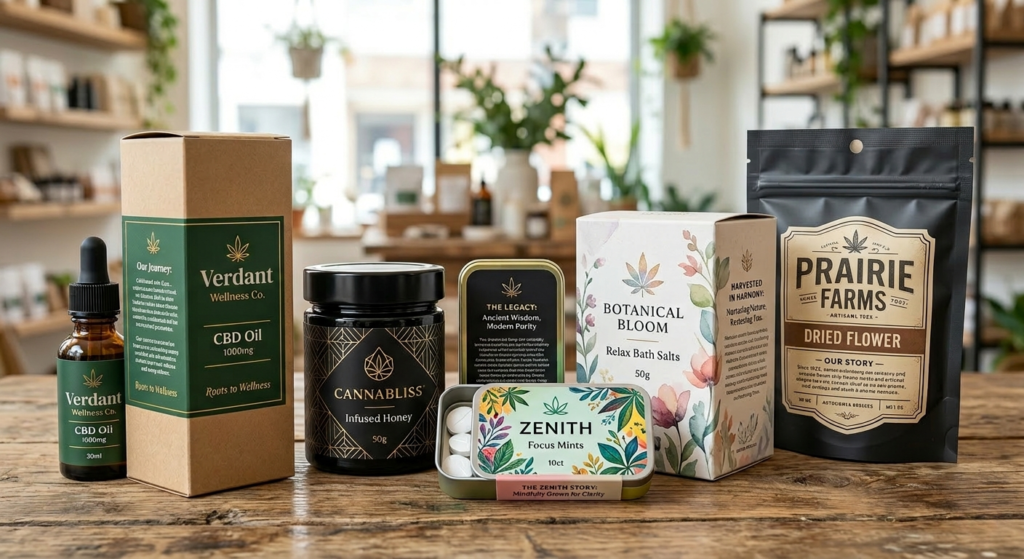
For example, if you care about eco-friendly materials, show how that shapes your choices. Even your packaging can reflect this. Some brands use hemp packaging to show a commitment to natural materials without saying too much.
A clear story helps people connect. That connection is hard to copy.
Improve The Experience, Not Just The Product
Many brands focus only on features. But customers remember the full experience. Think about every step. From first visit to after purchase. Is your website easy to use? Is checkout simple? Do you give clear updates on orders?
Small details matter. Fast replies. Clear instructions. Thoughtful follow up. These steps build trust. They also create repeat buyers.
Also Read: Why Your Customers Stay Longer: The Real Secret Behind Omnichannel Loyalty Success
Use Design To Stand Out
Design makes a good first impression. It also affects how consumers feel about your goods. Good design isn’t only about how it appears. It’s all about being clear and easy. Make sure that people can easily grasp your product.
Don’t make things messy. Make sure the language is easy to read and the layouts are neat. The packaging is very important. A well-made box can show that you care and that the item is of high quality. Many businesses use hemp cardboard boxes to reflect a natural and minimal look. You do not need to be fancy. You need to be clear and consistent.
Create A Unique Offer
Your offer is more than your product. It is the full deal you give your customer. You can stand out by changing how you bundle or present your offer. For example:
- Add a simple guide or checklist
- Offer a starter kit instead of a single item
- Include a small bonus that adds value
The goal is to make your offer feel complete. Something that solves a problem in one go.
Build Trust With Proof
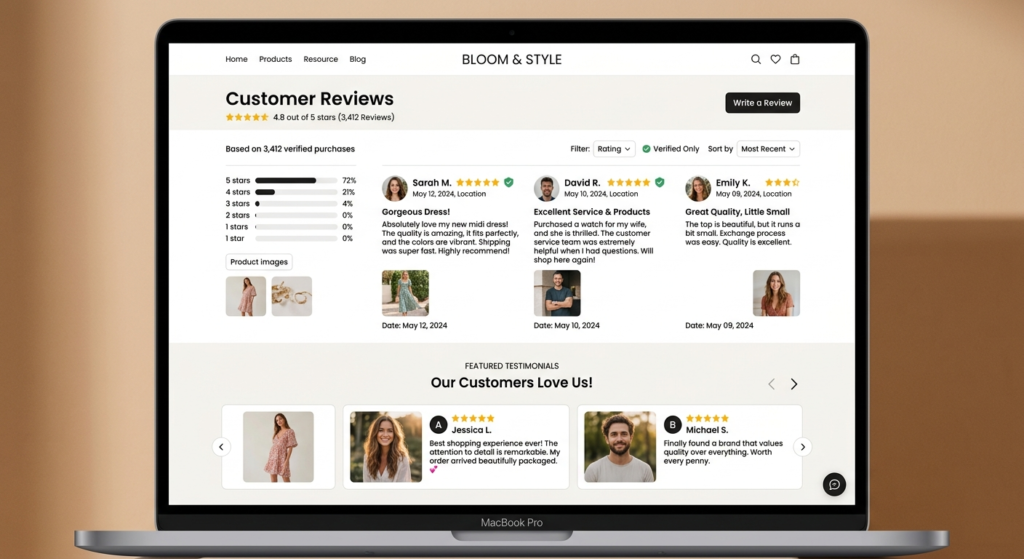
People trust other people more than brands. Use real feedback. Show reviews and testimonials. If possible, add photos or short stories from customers. Show how your product fits into real life. You can also share simple data. For example, how many people use your product or how it helped them save time. Keep it honest. Do not exaggerate.
Find Your Niche And Own It
Trying to serve everyone often leads to weak positioning. Pick a group and serve them well. It could be beginners, busy parents, small business owners, or any clear segment.
When you focus, your message becomes stronger. Your product also becomes more relevant. People are more likely to choose a brand that feels made for them.
Offer Better Support
Support is often ignored. That is why it can set you apart. Quick and helpful responses build trust. Clear answers reduce confusion. You do not need a large team. You need to be reliable. Even simple steps help:
- Reply within a set time
- Use clear and polite language
- Follow up if needed
Good support turns buyers into loyal customers.
Use Packaging As Part Of Your Message
Packaging is often the first physical touchpoint. It can do more than protect your product. It can express your brand. Think about how it feels to open your product. Is it easy? Is it clean? Does it match your message?
Simple designs like pillow boxes can work well for small items. They are easy to handle and look neat. The goal is not to impress with cost. It is to align with your brand.

Educate Your Audience
Teaching builds trust. Share useful content that helps your audience. It could be guides, tips, or simple how to posts. Focus on real problems. Give clear answers.
This shows that you understand your market. It also keeps your brand in people’s minds. Over time, people start to see you as a helpful source, not just a seller.
Be Consistent Across All Touchpoints
Being consistent helps people remember you. All of your channels should have the same tone, visuals, and message. Your emails should have the same calm and clean feel as your website. The tone of your package should also match. This makes things plain. It helps people remember your brand.
Innovate In Small Ways
You do not need big changes to stand out. Small improvements can make a big difference. For example:
- Make your product easier to store
- Reduce steps in setup
- Add a feature that saves time
These changes show that you listen and improve. Customers notice that effort.
Build A Community
A strong community can set you apart. It creates a sense of belonging. People feel part of something. You can build this through social media, email groups, or simple forums. Encourage people to share their experiences. Respond to them. Highlight their stories. A community also gives you feedback. It helps you improve faster.
Price With Confidence
You don’t have to compete on price if you give true value. Set a fair price that is in line with the quality of your products and your experience. Explain what people get. Be clear about your product benefits.
Some customers will still look for the cheapest option. That is fine.
Pay attention to the people who value what you have to offer. Learn from competitors without copying. Notice what works and what does not. But do not copy. If you copy, you blend in. You stand out when you make ideas your own. Don’t copy your competitors; use them as a guide.
Keep Improving Based On Feedback
Your market will change. Customer needs will shift. Stay close to your audience. Listen often. Make small updates over time. Fix issues. Add useful features. This keeps your product relevant. It also shows that you care.
Final Thoughts
You don’t have to lower your rates to compete. You should be straightforward, helpful, and consistent. Get to know your customer. Fix an actual problem. Make the experience strong.
You can add value through design, packaging, and support. These processes build a brand that consumers can trust over time. And when customers trust your brand, the price doesn’t matter as much.
