


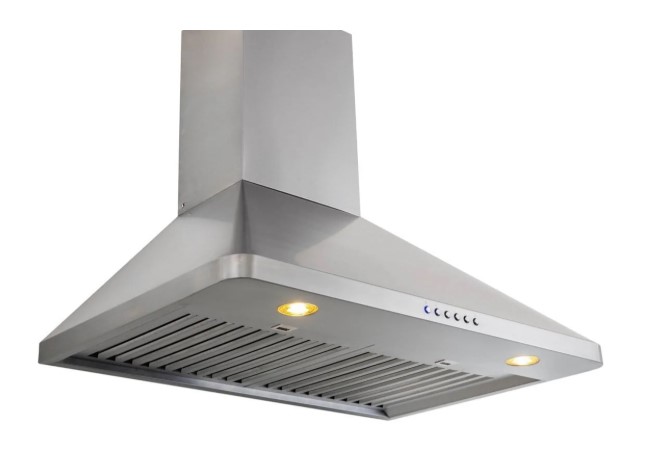
A well-chosen kitchen exhaust hood plays a key role in keeping your cooking space fresh, clean, and comfortable. It helps remove smoke, grease, and unwanted odors while improving air quality. Choosing the right 36-inch kitchen exhaust hood is essential for maintaining efficiency and enhancing your overall kitchen experience.
Understand Your Kitchen Needs
Before selecting a 36-inch kitchen exhaust hood, evaluate your cooking habits and kitchen setup. If you cook frequently, especially with heavy oils, spices, or high heat, you will need a more powerful hood. Larger kitchens or open layouts also require higher airflow capacity to effectively remove smoke and odors. Understanding how often and what type of cooking you do will guide your decision.
Check the Ventilation Type
One of the most important decisions is choosing between ducted and ductless hoods. A ducted 36-inch kitchen exhaust hood vents air outside, making it more efficient at removing heat, smoke, and grease. On the other hand, a ductless hood filters the air and recirculates it back into the kitchen. While easier to install, ductless options are generally less powerful and require regular filter replacement.
Consider Airflow Capacity (CFM)
Airflow capacity, measured in cubic feet per minute (CFM), determines how effectively the hood removes air pollutants. For a 36-inch kitchen exhaust hood, a range of 300 to 900 CFM is common. If you use high-powered stoves or cook frequently, opt for a higher CFM. However, higher airflow also means more noise, so balance power with comfort.
Focus on Size and Fit
A 36 inch kitchen exhaust hood should match or slightly exceed the width of your cooktop for maximum efficiency. Ensure the hood is installed at the correct height, typically 24 to 30 inches above the cooking surface. Proper sizing and placement ensure better capture of smoke and fumes, preventing them from spreading in your kitchen.
Choose the Right Style
Kitchen exhaust hoods come in various styles, including wall-mounted, under-cabinet, island, and insert hoods. Your kitchen layout will determine the best option. Wall-mounted hoods are ideal for ranges placed against walls, while island hoods suit open kitchens. Under-cabinet models are compact and perfect for smaller spaces. Selecting the right style enhances both functionality and aesthetics.
Evaluate Noise Levels
Noise is often overlooked but plays a significant role in everyday use. A powerful 36-inch kitchen exhaust hood can be noisy, especially at higher speeds. Look for models with multiple fan settings and lower sones (noise rating). This allows you to adjust performance based on your cooking needs without creating excessive disturbance.
Look at Filter Types
Filters are essential for trapping grease and maintaining air quality. Most 36-inch kitchen exhaust hood models use either mesh filters or baffle filters. Mesh filters are affordable and suitable for light cooking, while baffle filters are more durable and ideal for heavy-duty use. Dishwasher-safe filters can also make maintenance easier.
Check Additional Features
Modern exhaust hoods come with advanced features that improve convenience. Look for LED lighting for better visibility, touch controls for ease of use, and auto shut-off functions for safety. Some models also include heat sensors and smart connectivity. While not necessary, these features can enhance your cooking experience.
Energy Efficiency and Maintenance
An energy-efficient 36-inch kitchen exhaust hood can help reduce electricity consumption without compromising performance. Regular maintenance, including cleaning filters and checking ducts, ensures long-term efficiency. Choosing a model that is easy to clean will save time and effort in the long run.
Budget and Brand Reliability
Set a budget before exploring options. While premium models offer advanced features and better durability, there are also reliable mid-range options available. Focus on trusted brands, warranty coverage, and customer reviews to ensure you are making a worthwhile investment.
Conclusion
Selecting the right 36-inch kitchen exhaust hood involves understanding your cooking habits, kitchen layout, and ventilation requirements. The same principles can also help when choosing outdoor BBQ grill vent hoods for efficient and enjoyable outdoor cooking. By considering factors like airflow capacity, noise levels, filter types, and design, you can find a model that perfectly fits your needs. Investing in the right exhaust hood not only improves air quality but also enhances your kitchen’s functionality.
