


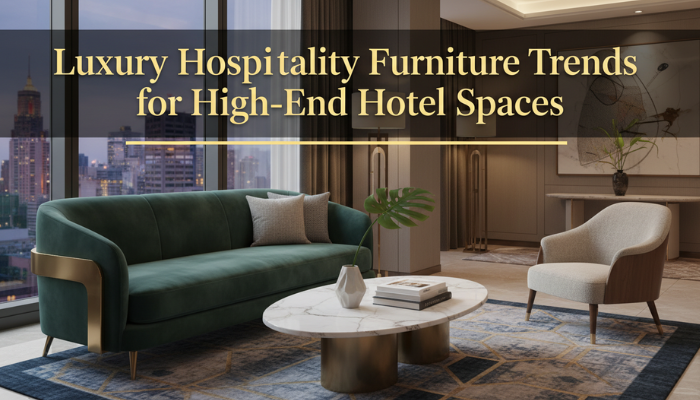
The modern luxury hospitality industry is undergoing a significant transformation. Today’s discerning hotel guests expect far more than just comfortable beds and functional furnishings they seek immersive experiences that reflect thoughtful design, comfort, and innovation. This shift has created new opportunities for properties to differentiate themselves through strategic furniture selection. Understanding current trends in hospitality furniture is essential for hotel owners, designers, and hospitality professionals looking to create memorable guest experiences while optimizing operational efficiency.
The Rise of Customization in Hotel Design
Approximately 62% of luxury hotels now prefer custom-designed furniture to align with their unique branding and regional themes, a trend especially strong among boutique luxury chains and independent properties. This preference reflects a fundamental shift in how hoteliers approach interior design. Rather than relying on standard off-the-shelf solutions, properties are increasingly investing in tailored pieces that tell their brand story.
The demand for bespoke solutions has grown alongside the recognition that furniture shapes guest perception. When selecting modern hospitality furniture, property managers must balance aesthetic vision with practical considerations. Custom solutions allow hotels to create cohesive environments where every piece from lobby seating to guest room furnishings reinforces the property’s identity. This approach extends beyond guest rooms to dining areas, conference spaces, and wellness facilities, ensuring consistency throughout the facility.
Sustainability as a Core Design Philosophy
Environmental responsibility has transitioned from a nice-to-have feature to an essential consideration in hospitality procurement. Around 58% of luxury hotels now mandate FSC-certified wood, non-toxic adhesives, and recyclable metal frames in their design specifications, with the use of bamboo, reclaimed wood, and plant-based leathers increasing by 39% from 2022 to 2025.
Hotels partnering with commercial hospitality furniture manufacturers who prioritize sustainability gain a competitive advantage with environmentally conscious travelers. The shift toward eco-friendly materials doesn’t compromise luxury instead, it enhances guest satisfaction and supports operational sustainability goals. Properties investing in responsibly sourced furnishings appeal to a growing demographic of travelers who align their spending with environmental values.
Biophilic Design and Natural Elements
One of the most compelling trends reshaping luxury hotel spaces is biophilic design, which integrates natural elements to create calming, restorative environments. This approach incorporates organic materials, plant-inspired shapes, and earthy color palettes throughout guest rooms, lobbies, and common areas. Natural wood finishes, stone surfaces, and botanical accents work together to foster a sense of connection with nature something guests increasingly value, especially after extended travel.
The psychological benefits of biophilic design extend beyond aesthetics. Guests experiencing nature-inspired environments report higher satisfaction levels and are more likely to return. For hoteliers working with hotel furniture suppliers and manufacturers in the USA, sourcing pieces that authentically incorporate natural materials becomes a strategic investment in guest wellness and property reputation.
Curved Furniture and Softness in Luxury Spaces
Curved furniture is dominating hotel interiors in 2026, with rounded shapes signaling comfort, luxury, and ease. This departure from rigid, angular designs represents a fundamental change in how luxury spaces are conceived. Curved headboards, soft-edged nightstands, and rounded seating create both safety and elegance, particularly important in smaller rooms where sharp corners pose practical concerns.
The emphasis on softness extends to fabric and finish selections. Plush materials such as bouclé, velvet, and soft leather are replacing synthetic alternatives, while warm wood tones, brushed brass accents, and stone tops create a refined yet inviting aesthetic. These tactile, luxurious materials communicate quality and care, reinforcing the premium nature of the property.
Technology Integration in Guest Rooms
Modern luxury guests expect seamless technology integration without visual clutter. Smart hospitality furniture including bedside consoles with integrated charging ports and lighting systems, motion-activated drawers, and sound-absorbing partitions represents an emerging standard in high-end properties. This functional innovation addresses real guest needs: convenient device charging, ambient lighting control, and acoustic comfort.
Hotels incorporating technology-enabled furnishings position themselves as forward-thinking, guest-centric properties. However, the integration must feel seamless and intuitive, never overwhelming or unnecessarily complicated. The best custom made hospitality furniture solutions merge technology with form, creating pieces that enhance functionality without compromising design integrity.
Minimalist Luxury and Design Sophistication
Demand for Scandinavian, Japanese Zen, and Mid-century Modern designs increased by 46% between 2022 and 2025, reflecting a broader appreciation for minimalist luxury aesthetics. These design philosophies emphasize clean lines, purposeful simplicity, and quality craftsmanship over excessive ornamentation.
Minimalist approaches don’t mean cold or sterile spaces. Instead, they prioritize every piece’s function and beauty. A carefully selected armchair, a sculptural side table, or a statement mirror becomes the focal point rather than furniture-filled rooms. For hospitality contract furniture selections, this minimalist mindset ensures that each investment delivers measurable value whether through guest comfort, operational durability, or visual impact.
Wellness-Focused Furniture Solutions
As wellness tourism continues growing, hotel furniture is adapting to support guest health and wellbeing. Ergonomic seating designs, adjustable workstations, and beds engineered for optimal support address the physical demands of travel. Anti-bacterial upholstery and sound-absorbing materials address safety and comfort concerns, particularly important in post-pandemic hospitality.
Wellness-oriented furniture selections demonstrate commitment to guest care. Properties that prioritize comfort and health through thoughtful furniture choices create environments where guests can truly relax and rejuvenate, increasing satisfaction scores and encouraging repeat visits.
Modular and Flexible Design Systems
Modern luxury hotels increasingly embrace modular furniture systems that adapt to diverse guest needs. These flexible solutions allow rooms to transform from work spaces to relaxation zones without requiring complete reconfiguration. Modular approaches also streamline maintenance and replacement, reducing long-term operational costs.
Custom hospitality furniture manufacturers and hotel furniture suppliers increasingly offer modular systems that maintain aesthetic cohesion while providing functional flexibility. This represents a sophisticated approach to design acknowledging that guest needs vary and spaces must adapt accordingly.
Market Opportunity and Investment Outlook
The luxury indoor hotel furniture market is projected to escalate from USD 2.27 billion in 2026 to USD 3.03 billion by 2030, with emphasis on design, comfort, and technological advancements in hospitality environments. This growth reflects the industry’s recognition that furniture investments directly impact guest experiences and property performance.
For hospitality professionals evaluating suppliers and manufacturers, this expanding market offers unprecedented opportunities to access innovative solutions. Properties that make strategic furniture investments now position themselves ahead of competitors and create lasting value through enhanced guest satisfaction and operational efficiency.
Conclusion
The luxury hospitality furniture landscape is evolving rapidly, driven by guest expectations, sustainability imperatives, and technological innovation. Successful hotel properties recognize that furniture selection extends far beyond aesthetics it shapes guest experiences, communicates brand values, and impacts operational outcomes. Whether prioritizing customization, sustainability, or technological integration, hospitality decision-makers benefit from partnering with experienced suppliers and manufacturers who understand current trends and can deliver solutions aligned with property vision and guest needs.The most successful luxury hotel spaces emerge from thoughtful curation of pieces that balance form, function, and meaning. As the industry continues advancing, those properties investing strategically in quality, custom commercial furniture will continue setting standards for excellence in hospitality design.
