


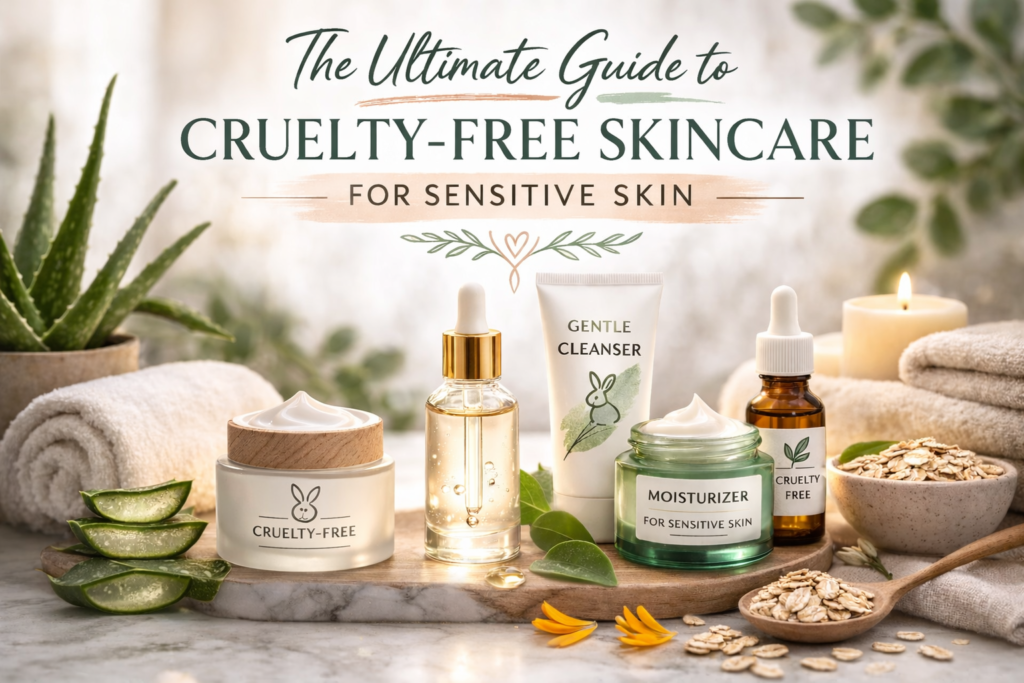
Sensitive skin can feel like a daily challenge. Redness, dryness, itching, and sudden breakouts often make it difficult to find products that truly work. At the same time, more consumers are choosing ethical beauty options that align with their values. This is where Cruelty-Free Skincare becomes especially important. It not only supports ethical practices but often focuses on gentler, more thoughtful formulations that are suitable for delicate skin types.
In this ultimate guide, you will learn what Cruelty-Free Skincare means, why it is beneficial for sensitive skin, how to choose the right ingredients, and how to build a complete skincare routine that keeps your skin calm and healthy.
What Is Cruelty-Free Skincare
Cruelty-Free Skincare refers to products that are developed and manufactured without testing on animals. These brands do not conduct animal testing at any stage of product development, and they also ensure their suppliers follow the same standards.
It is important to understand that cruelty-free does not automatically mean vegan. Vegan skincare products contain no animal-derived ingredients, while cruelty-free skincare focuses specifically on eliminating animal testing. Some products can be both vegan and cruelty-free, but they are not always the same.
Consumers today are paying closer attention to ingredient transparency and ethical production. As a result, Cruelty-Free Skincare has grown rapidly in popularity across the global beauty market.
Why Sensitive Skin Needs Special Care
Sensitive skin reacts more easily to environmental factors and cosmetic ingredients. It may feel tight after cleansing, sting when applying new products, or develop redness without warning.
Common signs of sensitive skin include:
- Persistent redness
- Burning or stinging sensations
- Dry patches and flaking
- Breakouts from new products
Triggers often include synthetic fragrances, alcohol-based formulas, harsh exfoliants, and strong preservatives. For this reason, selecting gentle Cruelty-Free Skincare products with calming ingredients can significantly reduce irritation.
Benefits of Cruelty-Free Skincare for Sensitive Skin
Choosing Cruelty-Free Skincare offers several advantages for people with sensitive skin.
Gentler Formulations
Many cruelty-free brands focus on clean, plant-based, and skin-friendly ingredients. They tend to avoid harsh chemicals that are commonly linked to irritation.
Transparent Ingredient Lists
Cruelty-free brands often emphasize clear labeling and responsible sourcing. This makes it easier for individuals with sensitive skin to identify and avoid problematic ingredients.
Ethical and Skin Conscious Innovation
Brands that invest in Cruelty-Free Skincare frequently prioritize research methods that do not rely on animal testing. This often leads to advanced formulations designed for safety and skin compatibility.
Key Ingredients to Look for in Cruelty-Free Skincare
When shopping for Cruelty-Free Skincare for sensitive skin, focus on soothing and barrier-supporting ingredients.
Soothing Ingredients
- Aloe vera
- Chamomile extract
- Calendula
- Colloidal oatmeal
These ingredients calm redness and reduce inflammation.
Hydrating Ingredients
- Hyaluronic acid
- Glycerin
- Ceramides
Hydration is essential for maintaining a healthy skin barrier, especially for sensitive skin.
Barrier Repair Ingredients
- Niacinamide
- Panthenol
- Squalane
These ingredients strengthen the skin barrier and improve resilience over time.
Ingredients to Avoid in Cruelty-Free Skincare for Sensitive Skin
Even when a product is labeled cruelty-free, it may still contain ingredients that irritate sensitive skin.
Avoid:
- Artificial fragrances
- Alcohol denat
- Sulfates
- High concentrations of essential oils
Always perform a patch test before fully incorporating a new Cruelty-Free Skincare product into your routine.
How to Build a Cruelty-Free Skincare Routine for Sensitive Skin
Creating a simple and consistent routine is key.
Step 1 Gentle Cleanser
Choose a sulfate-free cleanser that removes dirt without stripping the skin. Cream or gel cleansers with soothing ingredients are ideal.
Step 2 Hydrating Toner
Use an alcohol-free toner to restore moisture and prepare the skin for serums.
Step 3 Targeted Serum
Select serums with niacinamide for redness or hyaluronic acid for hydration. Keep formulas minimal and fragrance-free.
Step 4 Moisturizer
A lightweight but nourishing moisturizer with ceramides or squalane helps protect the skin barrier.
Step 5 Mineral Sunscreen
Sensitive skin benefits from zinc oxide-based sunscreen, which is generally less irritating than chemical filters.
Following a consistent Cruelty-Free Skincare routine can significantly improve skin comfort and appearance over time.
How to Verify Truly Cruelty-Free Skincare Brands
Not all brands that claim to be cruelty-free follow strict standards. To verify authenticity:
- Look for official cruelty-free certifications
- Check brand transparency about testing policies
- Research whether the parent company supports animal testing
- Avoid vague marketing claims without proof
Doing proper research ensures you are genuinely supporting ethical Cruelty-Free Skincare brands.
Spotlight on Ethical Beauty with La Garan LLC
Brands like La Garan LLC are contributing to the growing movement toward ethical and responsible beauty. By focusing on high-quality formulations and cruelty-free practices, such brands aim to provide skincare solutions that are both effective and aligned with modern consumer values. For individuals with sensitive skin, choosing a brand committed to Cruelty-Free Skincare can make a meaningful difference in both skin health and ethical impact.
Common Mistakes to Avoid When Switching to Cruelty-Free Skincare
When transitioning to Cruelty-Free Skincare, avoid these common mistakes:
Changing too many products at once can overwhelm sensitive skin. Introduce one product at a time and monitor reactions.
Skipping patch tests increases the risk of irritation. Always test new products on a small area first.
Assuming natural ingredients are always safe can lead to unexpected reactions. Some natural extracts can still trigger sensitivity.
Over-exfoliating can weaken the skin barrier and cause redness. Limit exfoliation to once or twice per week if your skin tolerates it.
Frequently Asked Questions About Cruelty-Free Skincare
Is cruelty-free skincare better for sensitive skin?
It often is because many cruelty-free brands focus on gentle and minimal formulations. However, ingredient selection still matters.
Can cruelty-free products still cause irritation?
Yes, if they contain fragrances or other triggering ingredients. Always review the ingredient list carefully.
Is cruelty-free the same as vegan?
No. Cruelty-free refers to no animal testing, while vegan means no animal-derived ingredients.
How long does it take to see results?
Most skincare routines require four to six weeks of consistent use to show noticeable improvement.
Final Thoughts
Cruelty-Free Skincare offers a thoughtful approach to beauty that aligns ethics with effectiveness. For sensitive skin, choosing gentle ingredients, avoiding harsh additives, and maintaining a consistent routine are essential steps toward long-term skin health.
By selecting well-formulated cruelty-free products and supporting responsible brands, you can protect your skin while also contributing to a more ethical beauty industry.
