


There is something quietly comforting about fabric layers inside a home. A casually placed throws over a sofa or neatly spread blankets across a bed can instantly change how a space feels. While they may look similar at first glance, they serve different purposes in home styling and comfort. Understanding how they differ helps homeowners make smarter choices while designing interiors that feel warm, inviting, and visually balanced.
Home decor today is no longer just about aesthetics. It is about creating comfort-driven environments where styling and functionality exist together. This is exactly where knowing how to use throws and blankets becomes important.
What Exactly Are Throws?
Throws are lightweight fabric layers usually designed to enhance furniture styling while offering mild warmth. They are smaller in size and are often used as decorative accents rather than full-coverage coverings.
They are commonly placed on sofas, lounge chairs, or bed corners to create depth and texture in interiors. A well-chosen throw can instantly refresh a space without requiring major decor changes.
Some key characteristics of throws include:
• Usually smaller and easier to move around
• Designed to enhance visual styling
• Often feature decorative elements like tassels, textures, or woven patterns
• Suitable for all-season light comfort
Because of their versatility, throws are often treated as finishing touches in modern homes.

Understanding the Purpose of Blankets
While throws lean towards styling, blankets focus more on warmth and functionality. They are typically larger, thicker, and designed for full-body comfort.
Households usually rely on blankets during colder months or bedtime routines. Their size and fabric density allow them to provide insulation and long-lasting warmth.
Some defining features of blankets include:
• Larger coverage area
• Heavier and thicker fabric composition
• Designed mainly for sleeping comfort
• Ideal for winter or colder environments
However, modern decor trends have introduced aesthetically pleasing blankets that blend functionality with visual appeal.
Throws vs Blankets: Key Differences at a Glance
| Feature | Throws | Blankets |
| Size | Smaller and compact | Larger and full coverage |
| Primary Purpose | Styling and light comfort | Warmth and functionality |
| Fabric Weight | Lightweight | Thick and insulating |
| Placement | Sofas, chairs, bed edges | Beds and sleeping spaces |
| Seasonal Use | All-season or transitional weather | Mostly winter or cold climates |
| Styling Role | Decorative layering element | Functional base comfort layer |
This comparison makes it easier to understand why both are important rather than interchangeable.
Using Throws and Blankets Throughout the Year
One of the biggest advantages of owning both throws and blankets is their seasonal adaptability. They help maintain comfort without forcing homeowners to constantly change their decor.
Summer and Transitional Weather
During warmer months, indoor spaces with air conditioning can sometimes feel slightly chilly. Lightweight throws work perfectly in such situations. They provide comfort without feeling heavy or overwhelming.
They also help maintain aesthetic consistency because they can remain part of the decor even when not actively used.
Monsoon and Cozy Evenings
Monsoon seasons often encourage slower indoor living. Textured throws placed over lounge seating can create inviting corners for reading or relaxing.
The moisture-heavy weather makes heavy blankets uncomfortable, making throws a practical yet stylish alternative.
Read Also: Blackout Curtains vs Window Blinds: Which One Works Better for Your Home?
Winter and Maximum Comfort
Winter naturally shifts focus towards blankets. Their thicker fabrics provide essential warmth during cold nights.
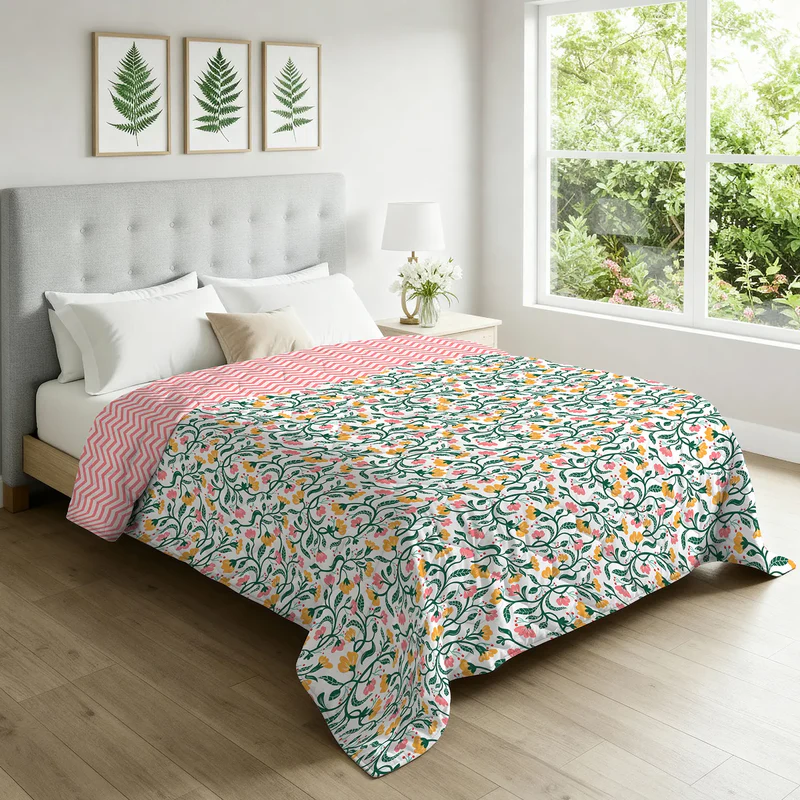
Many interior enthusiasts now combine both by layering blankets as base bedding and adding decorative throws for visual richness. This approach creates bedrooms that look luxurious while staying functional.
How to Style Throws and Blankets Without Cluttering
Layering fabrics can elevate interiors when done correctly. However, excessive layering can overwhelm a space. Maintaining balance is crucial.
Some styling techniques that work well include:
• Draping throws casually over sofa arms for a relaxed appearance
• Folding throws symmetrically for a structured, polished look
• Spreading blankets evenly across beds for comfort-focused styling
• Adding one decorative throw at the foot of the bed for contrast
Many contemporary decor collections, including Urban Space, often demonstrate how carefully designed throws can complement furniture without overpowering existing styling themes.
Choosing the Right Fabric Matters
Fabric selection plays a major role in deciding whether to use throws or blankets.
Cotton-based throws are highly preferred because they are breathable, lightweight, and suitable for multiple seasons. They blend seamlessly into modern and minimalistic decor.
Plush or fleece blankets, on the other hand, are better suited for colder environments. Their insulating properties provide deep comfort, making them reliable winter essentials.
Texture also contributes significantly to styling. Woven or knitted finishes allow both throws and blankets to function as decor elements while maintaining usability.
Why Throws Have Become a Decor Staple
Interior styling trends have transformed throws from optional accessories into essential decor components. They allow homeowners to experiment with textures, patterns, and color contrasts without investing in new furniture.
A thoughtfully placed throw can soften rigid furniture lines and make spaces feel welcoming and lived-in. Social media decor trends and evolving lifestyle preferences have further increased their popularity.
At the same time, blankets continue to remain indispensable. Their consistent role in providing warmth ensures they stay relevant across generations.
Creating a Balanced and Comfortable Home
Understanding the difference between throws and blankets allows homeowners to design interiors that feel adaptable and functional. Each serves a unique purpose, yet together they create layered comfort that enhances everyday living.
Using throws introduces styling flexibility and seasonal adaptability. Relying on blankets ensures dependable warmth and physical comfort. When combined thoughtfully, they help create spaces that remain cozy throughout the year without frequent decor changes.
Sometimes, the smallest additions like throws resting gently on a sofa or blankets spread neatly across a bed define the comfort of a home. These soft layers prove that interior styling is not always about large transformations. Often, it is about subtle details that make everyday living feel warmer, calmer, and more inviting.
