


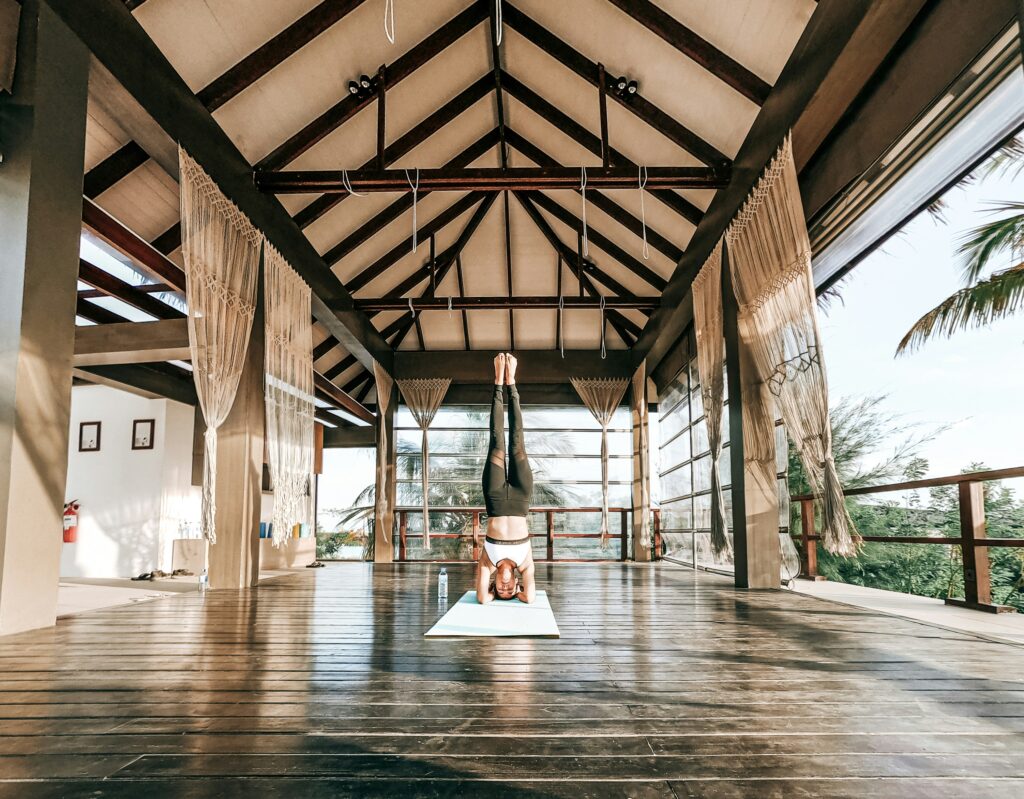
Vinyasa flow yoga is a dynamic and energizing style of yoga that seamlessly connects breath with movement. Known for its fluid transitions, this practice allows the body to move gracefully from one pose to another, creating a rhythm that feels almost like a dance. Unlike static yoga styles, vinyasa flow focuses on continuous motion, making it both physically engaging and mentally calming.
In this blog, we will explore the concept of vinyasa flow yoga poses, their structure, benefits, and how to create a balanced and effective sequence for your daily practice.
What Are Vinyasa Flow Yoga Poses?
Vinyasa flow yoga poses are a sequence of postures linked together through breath. The term “vinyasa” means “to place in a special way,” which reflects the intentional arrangement of poses. Each movement is guided by inhalation or exhalation, creating a smooth and mindful transition between postures.
A typical vinyasa flow includes a repeated sequence known as a vinyasa transition, which often consists of Plank Pose, Chaturanga Dandasana, Upward-Facing Dog, and Downward-Facing Dog. This sequence acts as a bridge between poses, maintaining the flow and building strength.
Benefits of Practicing Vinyasa Flow Yoga
Practicing vinyasa flow yoga poses regularly offers a wide range of benefits for both the body and mind.
Physically, it improves flexibility by stretching and lengthening muscles. It also builds strength in the core, arms, and legs through weight-bearing poses. The continuous movement increases heart rate, making it an effective cardiovascular workout.
Mentally, vinyasa flow promotes mindfulness and reduces stress. By focusing on breath, practitioners can calm their minds and stay present. This practice also enhances coordination, balance, and overall body awareness.
Structure of a Vinyasa Flow Yoga Sequence
A well-rounded vinyasa flow yoga sequence follows a logical structure that prepares the body, builds intensity, and then cools it down.
The sequence typically begins with centering and breath awareness, followed by a warm-up. It then progresses into sun salutations, standing poses, balancing postures, and peak poses. Finally, it transitions into cool-down stretches and ends with relaxation in Savasana.
This structure ensures that the body is properly warmed up and gradually brought back to a resting state.
Warm-Up: Preparing the Body
The warm-up phase is essential for preventing injuries and improving flexibility. It involves gentle movements that increase blood flow and loosen tight muscles.
Common warm-up poses include Cat-Cow stretches, Child’s Pose, and gentle twists. These movements focus on the spine, hips, and shoulders, preparing the body for more intense poses.
Taking time to warm up properly enhances the overall effectiveness of the practice.
Sun Salutations: Building Heat and Rhythm
Sun salutations are the foundation of vinyasa flow yoga poses. These dynamic sequences link breath with movement and help build heat in the body.
A typical sun salutation includes Mountain Pose, Forward Fold, Half Lift, Plank, Chaturanga, Upward-Facing Dog, and Downward-Facing Dog. Each movement is synchronized with either an inhale or exhale, creating a steady rhythm.
Repeating sun salutations several times helps improve strength, flexibility, and endurance.
Standing Poses: Strength and Stability
Standing poses play a crucial role in building strength and stability. These poses engage the legs, open the hips, and improve posture.
Popular standing poses include Warrior I, Warrior II, Reverse Warrior, Extended Side Angle, and Triangle Pose. These postures help develop endurance and balance while maintaining the flow of movement.
Transitions between standing poses often include vinyasa sequences, keeping the practice dynamic and continuous.
Balancing and Core Work
Balancing poses challenge both physical stability and mental focus. They require concentration and engage the core muscles.
Examples include Tree Pose, Warrior III, and Chair Pose. Core-strengthening poses like Boat Pose are also included to build abdominal strength and improve posture.
These poses enhance coordination and help develop a strong foundation for advanced postures.
Peak Poses: Deepening the Practice
The peak of a vinyasa flow sequence includes more advanced or intense poses. By this stage, the body is fully warmed up and ready for deeper stretches.
Backbends such as Cobra Pose, Bridge Pose, Camel Pose, and Wheel Pose are commonly included. These poses open the chest, improve spinal flexibility, and energize the body.
It is important to approach peak poses with awareness and avoid pushing beyond your limits.
Cool-Down: Relaxing the Body
After the intensity of peak poses, the practice gradually slows down with cooling and stretching movements. This phase helps release tension and bring the body back to a relaxed state.
Common cool-down poses include Seated Forward Fold, Supine Twist, Pigeon Pose, and Happy Baby Pose. These stretches target areas that may have tightened during the practice.
Focusing on slow breathing during this stage enhances relaxation and recovery.
Final Relaxation: Savasana
Savasana, or Corpse Pose, is the final stage of a vinyasa flow practice. It allows the body and mind to fully relax and absorb the benefits of the sequence.
During Savasana, practitioners lie still with eyes closed, letting go of all effort. This stage promotes deep relaxation, reduces stress, and restores energy.
Spending a few minutes in stillness is essential for completing the practice.
Tips for Practicing Vinyasa Flow Yoga Poses
To get the most out of your practice, it is important to focus on synchronizing breath with movement. This connection is the foundation of vinyasa flow yoga.
Maintaining proper alignment in each pose helps prevent injuries. Moving at your own pace and listening to your body ensures a safe and enjoyable experience. Using props such as blocks or straps can provide additional support, especially for beginners.
Consistency is key to seeing improvements in strength, flexibility, and balance.
Creating Your Own Vinyasa Flow
One of the most appealing aspects of vinyasa flow yoga poses is the flexibility to create your own sequence. You can design a flow based on your personal goals and preferences.
For a calming practice, focus on slow movements and gentle stretches. For a more intense session, include challenging poses and faster transitions. Always ensure your sequence includes a proper warm-up, peak poses, and cool-down.
Listening to your body and adapting the practice as needed is essential for long-term progress.
Conclusion
Vinyasa flow yoga poses offer a powerful way to combine movement, breath, and mindfulness into a single practice. This dynamic style of yoga strengthens the body, improves flexibility, and calms the mind.
Whether you are a beginner or an experienced practitioner, incorporating vinyasa flow yoga into your routine can help you achieve balance and inner peace. With regular practice, the flow becomes more natural, and the benefits extend beyond the mat into daily life.
Embrace the rhythm of your breath, move with intention, and experience the transformative power of vinyasa flow yoga poses.
