


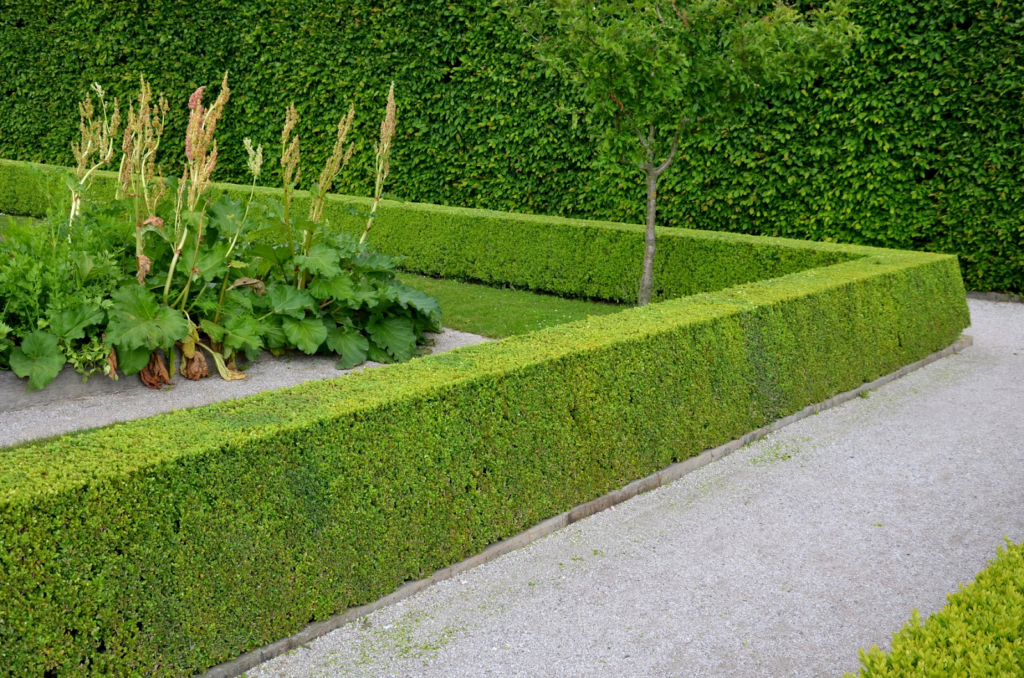
Creating a peaceful and private outdoor space is a priority for many homeowners. Whether you want to block street noise, reduce visibility from neighboring properties, or simply create a lush green boundary around your yard, hedges offer an effective and attractive solution. Natural greenery provides more than just privacy—it also enhances landscape aesthetics, improves air quality, and creates a calming outdoor environment.
Before planting privacy hedges, it is important to understand the factors that influence their growth, maintenance requirements, and placement within your landscape. Proper planning ensures that the plants thrive and deliver the desired level of coverage for years to come. By choosing the right species, preparing the soil properly, and understanding long-term care needs, homeowners can create a natural privacy barrier that complements their outdoor space.
Understanding the Purpose of Privacy Hedges
Privacy hedges serve as living fences that help define property boundaries while providing natural screening from outside views. Unlike traditional fencing, hedges offer a softer and more organic appearance that blends seamlessly with surrounding landscapes.
When homeowners choose privacy hedges, they are investing in both functionality and visual appeal. These plants grow densely, creating a thick green wall that limits visibility and reduces external noise. Over time, well-maintained hedges can transform a simple backyard into a secluded retreat.
Benefits of Natural Green Barriers
Living hedges provide several advantages compared to artificial barriers. Aside from improving privacy, they also contribute to environmental health by supporting local ecosystems.
Some key benefits include:
- Reducing wind and outdoor noise
- Enhancing property aesthetics
- Providing habitat for birds and beneficial insects
- Increasing property value
- Improving air quality around the home
Because privacy hedges grow naturally, they also adapt well to seasonal changes and add visual interest throughout the year.
Planning the Placement of Hedges
The placement of hedges plays a crucial role in achieving the desired privacy and aesthetic effect. Planting them in the correct location ensures they grow evenly and receive adequate sunlight and water.
When planning hedge placement, homeowners should consider property boundaries, sunlight exposure, and the distance from buildings or pathways. Proper spacing allows plants to grow without overcrowding and prevents root competition.
Maintaining Adequate Spacing
Spacing is one of the most important factors in hedge planting. If plants are placed too close together, they may compete for nutrients and water. On the other hand, excessive spacing can leave gaps that reduce privacy.
A well-planned hedge row allows privacy hedges to grow together naturally over time, forming a continuous green barrier while maintaining healthy root systems.
Soil Preparation and Planting Techniques
Healthy soil is essential for successful hedge growth. Before planting, the soil should be tested and prepared to provide the nutrients necessary for strong root development.
Improving soil quality may involve adding compost, organic matter, or fertilizers to enhance nutrient availability. Proper soil preparation ensures that privacy hedges establish themselves quickly and develop strong root systems.
Watering and Early Care
Newly planted hedges require consistent watering during their initial growth stage. Adequate moisture helps the roots adapt to their new environment and encourages healthy development.
During the early stages, homeowners should monitor soil moisture levels and protect young plants from extreme weather conditions. This early care greatly increases the likelihood that privacy hedges will thrive long term.
Conclusion
Planting hedges is an excellent way to create privacy while enhancing the natural beauty of your outdoor space. With proper planning, the right plant selection, and consistent maintenance, hedges can provide long-lasting coverage and improve the overall landscape design of a home.Before starting a planting project, homeowners should consider factors such as plant type, spacing, soil preparation, and long-term care requirements. Consulting experts at a trusted plant nursery can also provide valuable insights that help ensure successful growth and healthy plants. By taking the time to plan carefully, privacy hedges can become a lasting and attractive feature that transforms any yard into a peaceful and private retreat.
