


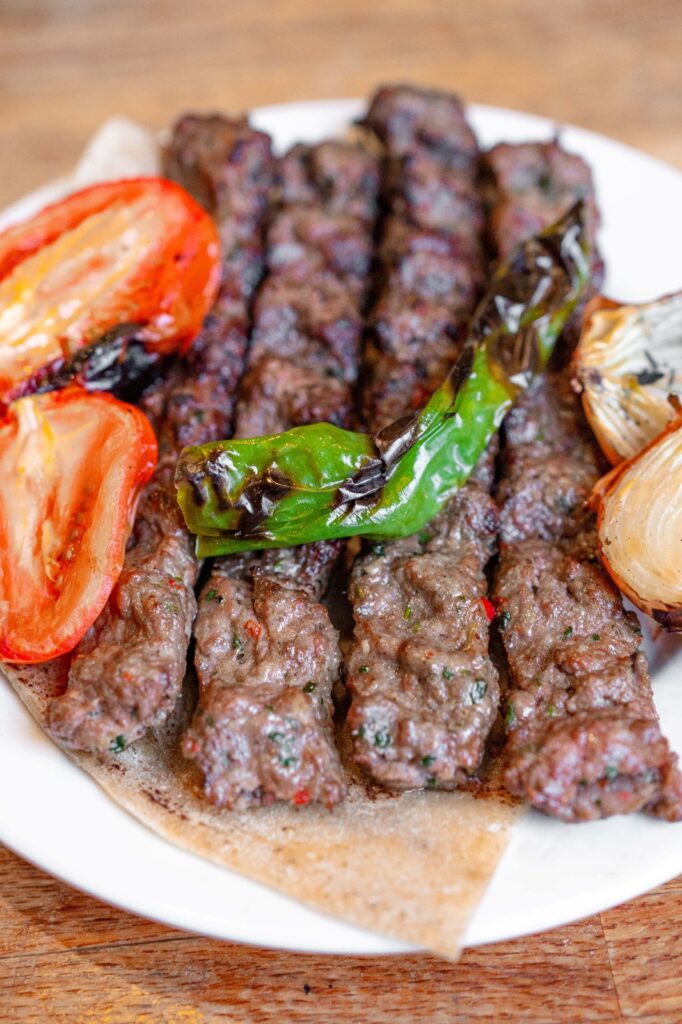
Mediterranean food has a unique reputation: it feels light on the stomach, yet it leaves you completely satisfied. Unlike heavy, greasy meals that cause sluggishness, Mediterranean dishes often energize you while still curbing hunger for hours.
So what makes this cuisine so balanced? The answer lies in ingredients, preparation methods, and a centuries-old philosophy of mindful eating.
At Al-Basha, this balance is at the heart of every dish—fresh, flavorful, and nourishing without feeling overwhelming.
The Power of Fresh Ingredients
Mediterranean cuisine focuses on whole, minimally processed foods. Instead of relying on heavy creams or fried coatings, it highlights:
- Fresh vegetables
- Lean proteins
- Olive oil
- Legumes and whole grains
- Fresh herbs and spices
These ingredients are naturally rich in nutrients and fiber. Fiber slows digestion, helping you feel full longer—without the heaviness that comes from overly processed foods.
Fresh cucumbers, tomatoes, parsley, chickpeas, and grilled meats combine to create meals that are nutrient-dense yet easy to digest.
Healthy Fats That Satisfy
One key reason Mediterranean food feels light but filling is the use of healthy fats—particularly olive oil.
Unlike saturated fats found in fried or fast foods, olive oil contains monounsaturated fats that:
- Promote heart health
- Support steady energy levels
- Increase satiety
Healthy fats help your body absorb nutrients while also signaling fullness to your brain. That’s why a drizzle of olive oil in hummus or over grilled vegetables adds richness without heaviness.
Lean Proteins That Fuel Without Weighing You Down
Mediterranean meals often feature:
- Grilled chicken
- Lamb in moderate portions
- Fish
- Plant-based proteins like lentils and falafel
Grilling, baking, and roasting are preferred over deep frying. These cooking methods preserve flavor while reducing excess oil and grease.
Protein plays a major role in fullness. It stabilizes blood sugar and keeps hunger at bay, which explains why a shawarma plate or falafel wrap can keep you satisfied for hours without feeling overly stuffed.
At Al-Basha Paterson, carefully marinated and grilled meats offer flavor and satisfaction without unnecessary heaviness.
High Fiber, High Satisfaction
Legumes such as chickpeas, lentils, and beans are staples of Mediterranean cuisine. Dishes like hummus and falafel are rich in plant-based fiber.
Fiber:
- Slows digestion
- Supports gut health
- Helps maintain steady energy
- Prevents overeating
This is why Mediterranean meals feel balanced rather than overwhelming. The body processes them efficiently, providing long-lasting energy instead of a short-lived food coma.
Smart Use of Carbohydrates
Mediterranean cuisine doesn’t eliminate carbs—it uses them wisely.
You’ll often find:
- Whole grain pita
- Bulgur
- Rice prepared with herbs and spices
- Freshly baked flatbreads
These carbohydrates are usually paired with fiber, protein, and healthy fats, which slows down how quickly your body absorbs them. The result? Sustained fullness and stable energy levels.
Portion Balance and Variety
Mediterranean meals often consist of multiple small components rather than one oversized serving.
For example:
- Grilled meat
- Fresh salad
- Hummus or baba ghanoush
- Warm bread
This variety keeps meals interesting and satisfying. Eating smaller portions of diverse foods enhances satiety because the brain registers multiple flavors and textures.
Dining at Al-Basha reflects this tradition—balanced plates designed to nourish without overwhelming.
The Role of Herbs and Spices
Mediterranean cuisine relies heavily on herbs and spices like:
- Cumin
- Coriander
- Paprika
- Parsley
- Sumac
These enhance flavor naturally, reducing the need for heavy sauces or excess salt. Bold seasoning creates depth and satisfaction without adding heaviness.
A Lifestyle, Not Just a Cuisine
Mediterranean eating isn’t just about ingredients—it’s about approach. Meals are often enjoyed slowly, socially, and mindfully.
When you eat at a relaxed pace:
- You digest food better
- You recognize fullness sooner
- You avoid overeating
This cultural practice contributes to the feeling of satisfaction without discomfort.
The Science Behind the Feeling
Mediterranean food feels light because it avoids excessive saturated fats, refined sugars, and processed ingredients. It fills you up because it combines:
- Fiber
- Protein
- Healthy fats
- Complex carbohydrates
This combination triggers fullness hormones while maintaining digestive comfort.
Final Thoughts
Mediterranean food achieves what many cuisines strive for: nourishment without heaviness. Its balance of fresh produce, lean proteins, healthy fats, and bold flavors creates meals that energize rather than exhaust.
At Al-Basha, this philosophy shapes every dish—light enough to leave you feeling refreshed, yet satisfying enough to keep hunger away.
That’s the beauty of Mediterranean cuisine: it feeds both your body and your well-being, proving that food can be both wholesome and deeply satisfying.
