


A lot of packaging decisions are made in a hurry. Someone has an order to get out the door, reaches for the nearest packaging material, wraps the item, and moves on to the next box. Most of the time, that works. Occasionally, it doesn’t.
If you’ve ever unpacked a product and found a scratch on it, you’ll know what I mean. The outer carton might look untouched, yet the item inside has somehow picked up damage during the journey. That usually happens because the wrong protective material was used or because there wasn’t enough of it.
What packaging roll should you use for your products? The answer depends less on the packaging itself and more on what you’re trying to protect.
- Foam wrap rolls are often used when scratches are a bigger concern than breakages.
- Bubble wrap helps protect fragile products from knocks and impacts.
- Kraft paper rolls are useful for wrapping, filling, and general packing jobs.
- Brown kraft paper rolls are commonly seen in e-commerce and parcel packing.
- Corrugated rolls work well for larger products and awkward shapes.
- Stretch wrap helps keep pallet loads stable during transport.
What Are Packaging Rolls?
In simple terms, packaging rolls are materials supplied on a roll that can be cut to size as needed.
They are used every day in warehouses, fulfilment centres, retail packing departments, and manufacturing facilities. Some are designed to cushion products. Others help prevent scratches. A few are mainly there to prevent items from shifting inside a carton.
That’s why most packing benches have several rolls nearby rather than just one.
What Are the Types of Rolls That Are Important for Packaging?
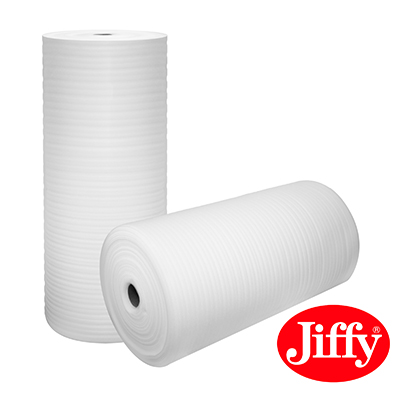
When Should You Use Foam Wrap Rolls?
Not every product breaks when it is knocked. Sometimes the bigger problem is surface damage.
Think about a mirror, a painted cabinet door, or a polished metal component. A small mark can be enough to make the product unsellable.
That is where foam wrap rolls come into the picture.
The foam creates a soft barrier between surfaces. It is not particularly dramatic, but it does its job quietly in the background.
Common examples
- Furniture panels
- Mirrors
- Electronics
- Decorative products
- Glass panels
Many furniture manufacturers use foam to prevent rubbing during transport, especially when several components are packed together.
Why Are Bubble Wrap Rolls Still So Popular?
Bubble wrap has probably survived every packaging trend because it is simple.
You wrap it around an item, and it provides a layer of cushioning. There is nothing complicated about it.
Often used for
- Glassware
- Ceramics
- Gifts
- Home accessories
In practice, many packers use bubble wrap alongside other packaging materials rather than relying on it alone.
What Makes Kraft Paper Rolls So Versatile?
Every packing department seems to have a roll of kraft paper somewhere.
One person is using it to wrap products. Someone else is stuffing it into a box to stop movement. A few minutes later, it is being used as a separator between items.
That versatility is what makes kraft paper rolls so popular.
Typical uses
- Wrapping products
- Filling empty spaces
- Separating items
- Adding light cushioning
It is one of those materials that quietly becomes part of everyday packing routines.
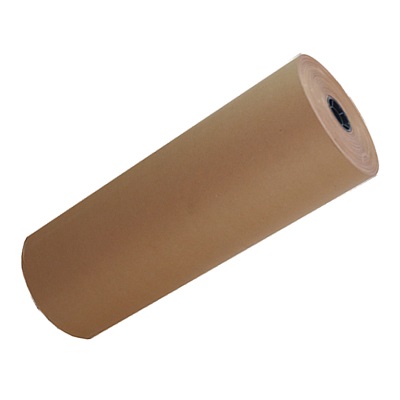
Why Do Businesses Choose Brown Kraft Paper Rolls?
Walk into an e-commerce packing area, and there is a good chance you will see brown kraft paper rolls being used.
Part of the appeal is practicality. It is easy to handle, easy to store, and suitable for a wide range of products.
Common applications
- Parcel wrapping
- Retail orders
- Product presentation
- Protective layers inside cartons
For many businesses, it has become a reliable alternative to heavier packaging solutions.
When Should You Use Corrugated Rolls?
Some products need more protection than standard paper can provide. Larger items, furniture components, and products with exposed edges can be more vulnerable to knocks and pressure during storage and transit. This is where corrugated rolls can be particularly useful.
Corrugated rolls are often used for:
- Furniture panels and flat-pack furniture.
- Larger products that need extra cushioning.
- Items with exposed corners and edges.
- Product separation during storage and transport.
- Wrapping awkwardly shaped goods.
Corrugated rolls provide an additional protective layer while remaining lightweight and flexible. They are often chosen when products need protection around corners, edges, or surfaces that could be damaged during handling.
Why Is Stretch Wrap Important for Shipping?
Once products have been packed into cartons, they still need to travel safely through warehouses, distribution centres, and delivery networks. Stretch wrap helps keep palletised loads secure throughout that journey.
Stretch wrap is commonly used for:
- Securing cartons onto pallets.
- Keeping pallet loads stable during transport.
- Reducing movement between boxes.
- Protecting goods from dust and dirt while in storage.
- Helping prevent loads from shifting in warehouses and delivery vehicles.
Unlike foam or paper-based materials, stretch wrap is designed to secure multiple cartons together rather than protect individual products. It creates a stable load that is easier to handle and less likely to shift during transit.
Without stretch wrap, even well-packed cartons can move during transportation, increasing the risk of damage before they reach their destination.
Conclusion
No packaging roll works perfectly for everything. A glass vase, a piece of furniture, and an online retail order all face different risks during transport. Foam wrap rolls, kraft paper rolls, brown kraft paper rolls, bubble wrap, corrugated rolls, and stretch wrap each solve a different problem. Businesses with fewer damaged deliveries are usually the ones that match packaging to the product rather than using the same material every time.
