


Healthy, radiant skin is a goal for many individuals seeking to improve their appearance and confidence. Among the most popular cosmetic dermatology procedures today, chemical peels are widely used to address concerns such as acne scars, pigmentation, fine lines, and uneven skin texture. Before undergoing any skin treatment, it is advisable to consult a qualified skin specialist to determine the most suitable approach for your skin type and concerns.
What Is a Chemical Peel?
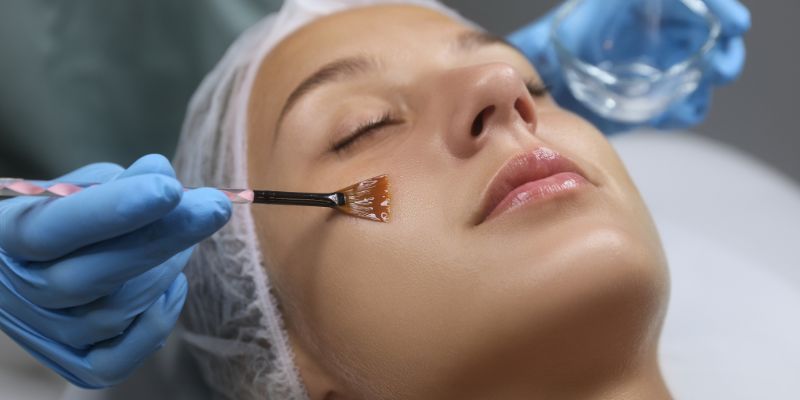
A chemical peel is a cosmetic procedure that involves applying a specially formulated chemical solution to the skin. This solution helps exfoliate the outer layers, encouraging the growth of new, healthier skin cells.
Depending on the depth of treatment required, chemical peels can be categorized into:
Superficial Peels
These peels target the outermost layer of skin and are commonly used to improve mild discoloration, rough texture, and dullness.
Medium Peels
Medium-depth peels penetrate deeper layers of the skin and can help reduce pigmentation issues, acne scars, and moderate wrinkles.
Deep Peels
Deep chemical peels are used for more significant skin concerns and typically require a longer recovery period under professional supervision.
Benefits of Chemical Peels
Chemical peels offer several aesthetic and dermatological benefits when performed by experienced professionals.
Improved Skin Texture
One of the primary advantages is smoother and more refined skin texture. By removing damaged surface cells, chemical peels reveal fresher skin underneath.
Reduction in Acne and Acne Scars
Many individuals choose chemical peels to minimize active acne and improve the appearance of post-acne marks and scars.
Brighter Complexion
Chemical exfoliation can help reduce pigmentation irregularities and promote a more even skin tone.
Reduced Fine Lines and Wrinkles
Certain peels stimulate collagen production, helping improve skin elasticity and reduce early signs of aging.
Better Absorption of Skincare Products
After treatment, the skin may absorb topical products more effectively, enhancing the benefits of skincare routines.
Who Can Benefit from Chemical Peels?
Chemical peels may be suitable for individuals experiencing:
- Acne-prone skin
- Uneven pigmentation
- Sun-damaged skin
- Mild to moderate wrinkles
- Rough skin texture
- Enlarged pores
- Acne scars
A consultation with one of the dermatology specialist doctors can help determine whether a chemical peel is the right option based on individual skin conditions and goals.
Possible Side Effects of Chemical Peels
Although chemical peels are generally safe when performed by trained professionals, patients should be aware of potential side effects.
Redness and Irritation
Temporary redness, mild burning, and irritation are common after treatment and usually subside within a few days.
Peeling and Flaking
As the skin renews itself, peeling and flaking may occur. This is a normal part of the healing process.
Sensitivity to Sunlight
The skin becomes more sensitive following a chemical peel. Proper sun protection is essential to prevent damage and pigmentation issues.
Temporary Skin Discoloration
Some individuals may experience temporary changes in skin color, particularly those with darker skin tones.
Rare Complications
In rare cases, deeper peels may lead to prolonged redness, infection, or scarring if aftercare instructions are not followed properly.
Importance of Professional Evaluation
Every person’s skin is unique, and not all chemical peels are suitable for everyone. Individuals with active infections, certain skin conditions, or a history of abnormal scarring may require alternative treatment options.
An experienced skin specialist can assess factors such as:
- Skin type
- Existing skin conditions
- Medical history
- Treatment goals
- Sensitivity levels
This evaluation helps ensure both safety and optimal results.
Understanding Skin Allergy Symptoms Before Treatment
Patients with a history of allergies or sensitive skin should discuss any concerns with their dermatologist before undergoing a chemical peel.
Common skin allergy symptoms may include:
- Itching
- Redness
- Swelling
- Rash
- Burning sensation
- Skin irritation
Identifying these symptoms beforehand allows dermatologists to customize treatment plans and reduce the risk of adverse reactions.
Choosing the Right Dermatologist
The success of a chemical peel depends heavily on proper assessment, technique, and post-treatment care. Consulting an experienced skin doctor in Bangalore can help ensure safe treatment and personalized recommendations based on individual skin needs.
A qualified dermatologist can also advise whether alternative procedures such as laser treatments, microdermabrasion, or medical skincare therapies may be more appropriate.
Conclusion
Chemical peels can be an effective solution for improving skin texture, reducing pigmentation, managing acne scars, and enhancing overall skin appearance. While the procedure offers numerous benefits, understanding potential side effects and receiving treatment from qualified professionals is essential for achieving safe and satisfying results. If you are considering skin rejuvenation treatments, consulting the best dermatologist in Bangalore can help you make an informed decision and develop a treatment plan tailored to your skin goals.
