


Patients no longer select dentists in the same manner. Before picking up the phone, most people open a search engine, scroll through results, read reviews, and compare websites, all within minutes. In 2026, a dental practice without a strong online presence is essentially invisible to a significant portion of its local audience. Being clinically excellent is no longer enough on its own. Getting found, trusted, and chosen online is now just as important as the care delivered in the chair.
Why Online Visibility Is Now a Front-Desk Priority
For dental practices, local search has emerged as the most effective referral source. Patients relocating to a new area, families looking for a children’s dentist, or adults finally ready to address long-avoided dental concerns, all of them begin their journey on Google.
The competition for that visibility is fierce. In most towns and cities, dozens of practices are competing for the same handful of top positions on a search results page. Only those who appear prominently get the clicks. Only those who get the clicks receive the enquiries. This is no longer a marketing conversation, it is a patient volume conversation, and it belongs in every practice manager’s weekly priorities.
The Core Elements of SEO That Dental Practices Need
Understanding what makes a dental website rank well is the first step towards doing something about it. SEO for dental offices is not a single tactic; it is a combination of interconnected efforts that work together to signal authority and relevance to search engines.
The core elements include:
- Google Business Profile optimisation, keeping your listing accurate, photo-rich, and regularly updated with posts and responses to reviews
- NAP consistency, ensuring your name, address, and phone number are identical across every online directory
- Service pages, dedicated, well-written pages for each treatment you offer, from routine check-ups to cosmetic procedures
- Mobile performance, a fast, responsive website that loads cleanly on any device, since the majority of local searches now happen on mobile
Each of these elements contributes to how search engines assess your practice’s trustworthiness and relevance to a patient’s query.
How Google Ranks Dental Websites in Local Search
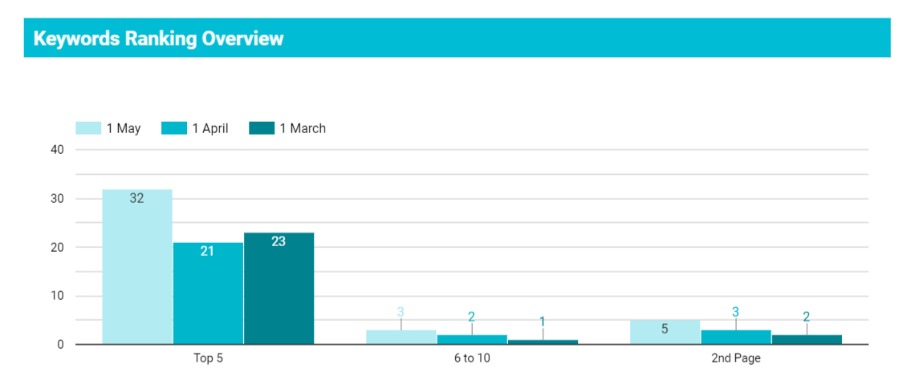
Google uses three primary factors to determine which dental practices appear in local results: relevance, distance, and prominence. Relevance refers to how well your content matches what someone is searching for. Distance considers your proximity to the searcher. Prominence reflects how well-known and trusted your practice appears based on reviews, backlinks, and overall online activity.
In 2026, reviews carry significant weight. A consistent stream of genuine, positive patient reviews signals to Google that your practice is active and well-regarded. Equally, earning links from local business directories, dental associations, and relevant health websites builds the kind of authority that pushes rankings upward over time. None of this happens overnight, but it compounds steadily with consistent effort.
Paid Search as a Patient Acquisition Tool
Organic rankings take time to build, and for practices looking to generate enquiries more immediately, paid search offers a powerful complement. Google Ads for dentist campaigns allow practices to appear at the very top of search results for high-intent queries, people actively searching for a dentist right now, in your specific area.
The advantage of paid search lies in its precision. Campaigns can be targeted by location radius, by service type such as teeth whitening or dental implants, and even by the time of day when your target patients are most likely to be searching. When managed well, it delivers a consistent flow of new enquiries while organic authority continues to grow in the background.
Content Strategy That Attracts and Converts Patients
Beyond technical optimisation, content plays a central role in how dental websites build relevance and trust. A well-structured content strategy, covering blog articles, treatment FAQs, and detailed service pages, helps a practice rank for a wider range of patient search queries.
Effective SEO for dental offices in 2026 must account for the growing prevalence of voice search and question-based queries. Patients are increasingly asking things like “how long does a dental implant take” or “is teeth whitening safe during pregnancy.” Practices whose websites answer these questions clearly and helpfully are rewarded with visibility, and with the trust of patients who feel informed before they even make contact.
Content should never feel like it is written for search engines. It should read naturally, answer genuine patient concerns, and reflect the tone and expertise of your practice.
Turning Search Traffic Into Booked Appointments
Driving traffic to a dental website is only half the challenge. What happens once a visitor arrives determines whether that visit becomes a booked appointment. A well-optimised website must make it effortless for a potential patient to take the next step.
This means prominent and clear calls to action, an easy-to-use online booking system, and trust signals visible without scrolling, such as star ratings, professional accreditations, and team photographs that humanise the practice. Google Ads for dentist campaigns in particular require carefully designed landing pages that match the promise of the advert, load quickly, and remove every possible barrier between interest and action. A compelling ad that leads to a cluttered or slow page loses the patient immediately.
What to Prioritise in Your 2026 Digital Strategy
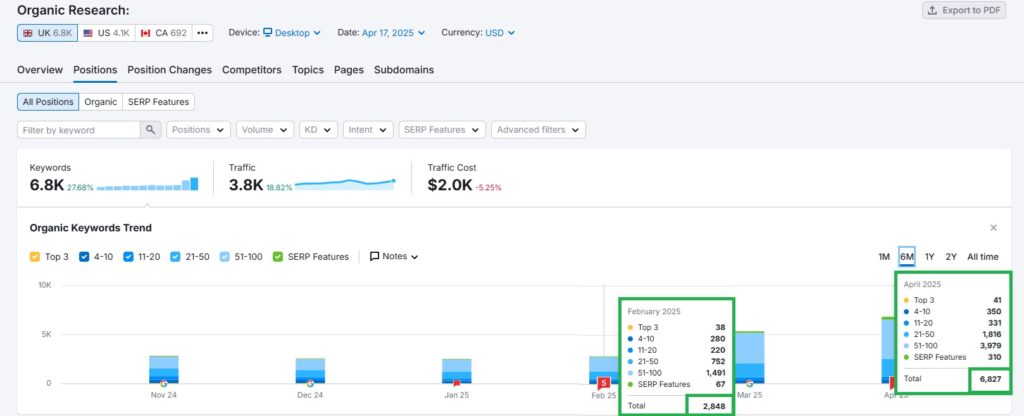
Thinking in terms of strategic priorities rather than discrete tasks is helpful because there are so many moving parts. The practices that will grow most consistently in 2026 are those that balance organic and paid efforts, maintain content output regularly, and treat their online presence with the same discipline applied to clinical standards.
Consistency matters above all else. A Google Business Profile updated weekly, a website reviewed quarterly for technical health, a content calendar maintained monthly, these habits compound into a formidable online presence that competitors find difficult to displace. Visibility is not a project with an end date; it is an ongoing commitment.
Conclusion
In 2026, a dental practice’s digital presence is as much a part of patient experience as the reception desk. Patients form impressions long before they walk through the door, and those impressions begin in search results. Practices that invest in building genuine, sustained online visibility will continue to grow their patient base with confidence. For dental teams ready to take that step seriously, working with a specialist partner such as Ampli5 Dental can make the difference between being found and being overlooked.
