


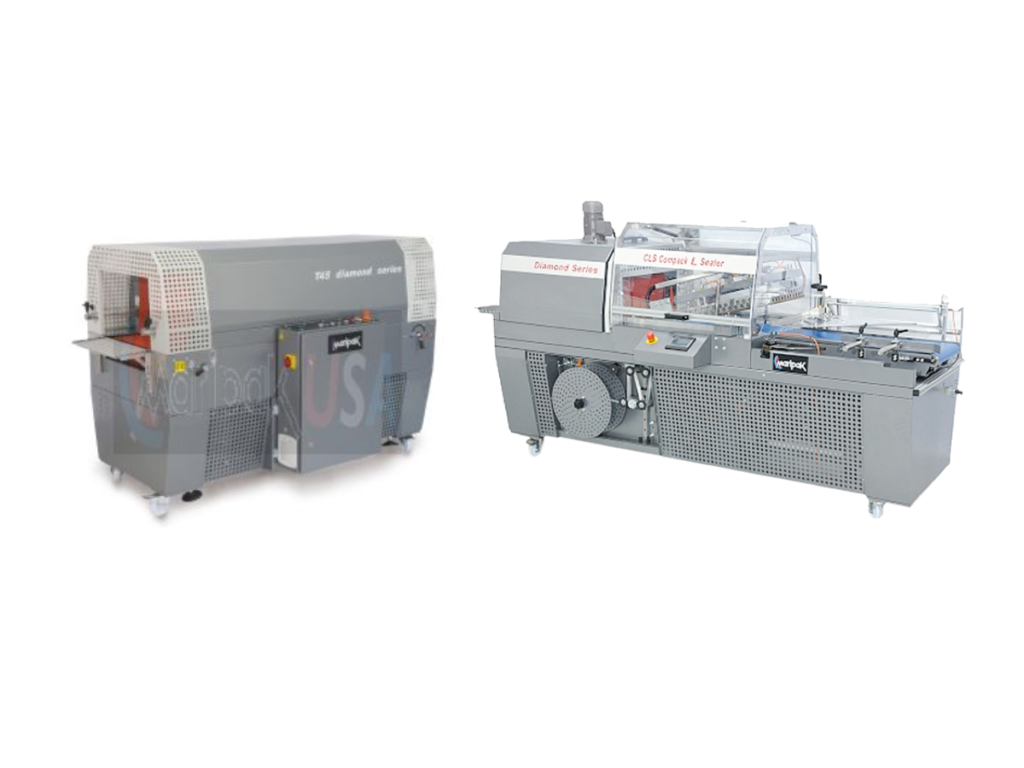
Packaging plays a critical role in today’s manufacturing, logistics, and retail industries. Businesses are constantly looking for ways to improve efficiency, protect products, and reduce operational costs while maintaining high-quality standards. As production volumes continue to increase, automated packaging solutions have become essential for meeting consumer demand and ensuring consistent product presentation.
Among the various packaging technologies available today, the shrink wrapping machine has become one of the most widely used solutions across multiple industries. From food and beverage manufacturing to electronics and consumer goods, shrink wrapping technology helps businesses streamline packaging operations while enhancing product protection.
Understanding Shrink Wrapping Technology
Shrink wrapping is a packaging process that involves enclosing a product in a polymer film and then applying heat to shrink the material tightly around the item. The result is a secure, tamper-evident package that protects products during storage, transportation, and display.
The process typically consists of three main steps:
- Product placement
- Film application
- Heat shrinking
Once heat is applied, the film contracts uniformly around the product, creating a tight and professional-looking package.
Why Packaging Efficiency Matters?
Effective packaging solutions can help companies:
- Reduce labor requirements
- Improve packaging consistency
- Minimize material waste
- Increase production output
- Enhance product appearance
These advantages explain why many businesses invest in automated packaging equipment to support growing operational demands.
Key Benefits of Shrink Wrapping Machines
A shrink wrapping machine offers several benefits that make it a valuable addition to modern production facilities.
Enhanced Product Protection
Shrink film creates a protective barrier around products, helping shield them from dust, moisture, and minor handling damage during transportation and storage.
Professional Presentation
Consumers often associate packaging quality with product quality. Shrink wrapping provides a clean, organized appearance that can improve shelf appeal and customer perception.
Increased Packaging Speed
Automated systems can package products significantly faster than manual methods. This improved efficiency helps businesses meet production targets while maintaining consistent quality.
Tamper Evidence
Shrink-wrapped products typically provide visible signs if the packaging has been opened or altered, offering an additional layer of security for manufacturers and consumers.
Industries That Use Shrink Wrapping Equipment
Food and Beverage
Manufacturers frequently use shrink wrapping for multipacks, bottled products, canned beverages, and packaged foods.
Pharmaceuticals
Protective packaging helps maintain product integrity and provides tamper-evident features that support consumer safety.
Consumer Goods
Many retail products are shrink-wrapped to improve presentation and protect items during distribution.
Electronics
Sensitive electronic products often require protective packaging to reduce exposure to dust, moisture, and handling damage.
The adaptability of the shrink wrapping machine makes it suitable for packaging products of varying sizes and shapes across numerous sectors.
Automation and Productivity Improvements
Automated shrink wrapping systems can:
- Reduce manual labor requirements
- Improve packaging consistency
- Increase throughput
- Minimize human error
- Support continuous production workflows
These advantages help businesses improve productivity while maintaining packaging standards.
Environmental Considerations in Modern Packaging
Reduced Material Usage
Modern films often require less material while still providing adequate strength and protection.
Improved Recyclability
Many packaging manufacturers are developing recyclable film options to support sustainability initiatives.
Efficient Transportation
Compact packaging can help optimize shipping space, potentially reducing transportation-related environmental impacts.
Factors to Consider When Selecting Packaging Equipment
Production Volume
Higher production environments often benefit from greater automation capabilities.
Product Characteristics
The size, shape, weight, and fragility of products influence equipment selection.
Facility Space
Available floor space may determine the type and size of packaging equipment that can be installed.
Future Growth
Organizations should consider whether the equipment can accommodate future increases in production demand.
Conclusion
Shrink wrapping technology has become a vital solution for businesses seeking reliable, efficient, and professional packaging methods. For organizations interested in learning more about advanced packaging technologies and industry developments, Maripak in the USA can serve as a useful resource for understanding modern shrink wrapping solutions and their applications. Its ability to protect products, improve productivity, and support modern manufacturing requirements makes it a valuable tool across numerous industries.
