


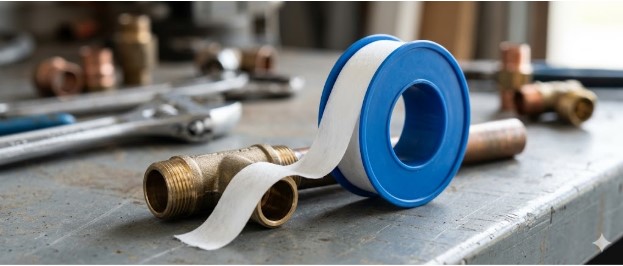
Industrial packaging environments depend on reliable materials that support efficiency, consistency, and equipment performance. Even small components can play a significant role in maintaining smooth production processes and reducing operational disruptions. Among these essential materials, PTFE-coated tapes are widely used in manufacturing and packaging applications due to their durability and unique performance characteristics.
A wide PTFE tape is particularly valuable in settings where equipment surfaces require protection, reduced friction, and resistance to heat. Understanding its benefits and applications can help facility managers and maintenance teams make informed decisions regarding equipment maintenance and operational efficiency.
What Is PTFE Tape?
PTFE, or polytetrafluoroethylene, is a synthetic material known for its non-stick properties, chemical resistance, and ability to withstand high temperatures. PTFE-coated tapes are commonly used in industrial environments where materials frequently come into contact with moving equipment surfaces.
These tapes are designed to provide a smooth, low-friction surface that helps materials move efficiently through production lines. Their durability and resistance to wear make them suitable for demanding industrial applications. Because wide PTFE tape maintains its performance under challenging conditions, it has become a trusted material across numerous industries.
Benefits of Using PTFE-Coated Tape
Reduced Friction
One of the most important advantages of PTFE-coated tape is its low coefficient of friction. This characteristic allows products and materials to move more smoothly across equipment surfaces.
Reduced friction can help minimize drag, improve material flow, and contribute to more efficient production processes. In packaging operations, smoother movement can help support consistent output and reduce interruptions.
Non-Stick Performance
Many manufacturing and packaging processes involve materials that may stick to machine surfaces during operation. PTFE’s non-stick properties help prevent unwanted material buildup.
This can reduce cleaning requirements, minimize residue accumulation, and contribute to more consistent equipment performance over time.
Heat Resistance
Industrial machinery often operates in environments where elevated temperatures are present. PTFE materials are known for their ability to withstand high temperatures while maintaining performance characteristics.
This heat resistance makes PTFE-coated tapes suitable for applications involving sealing systems, conveyors, and other equipment exposed to thermal stress.
Applications in Packaging Operations
A wide PTFE tape is commonly used in various industrial settings where reliable surface protection and material handling are required.
Typical applications include:
- Packaging machinery
- Heat sealing equipment
- Conveyor systems
- Manufacturing production lines
- Material handling systems
- Automated processing equipment
Its versatility allows facilities to utilize PTFE-coated tape across multiple operational areas while supporting consistent equipment performance.
Supporting Equipment Longevity
Protecting machine surfaces from excessive wear is an important part of preventive maintenance. PTFE-coated tapes help create a protective layer that reduces direct contact between materials and equipment components.
By minimizing abrasion and friction, these tapes can contribute to longer equipment service life and potentially reduce maintenance requirements. This can help facilities improve operational reliability while controlling maintenance costs.
Factors to Consider When Selecting PTFE Tape
Width Requirements
The appropriate tape width depends on the specific equipment and application. Wider tapes may provide greater surface coverage for larger machine components and operational areas.
Durability
Industrial environments often require materials capable of withstanding continuous use. Selecting a tape designed for demanding applications can help ensure reliable performance.
Temperature Exposure
Understanding operating temperatures is important when choosing materials for industrial equipment. PTFE’s thermal resistance makes it well-suited for applications involving heat.
Application Compatibility
Facilities should evaluate equipment specifications and operating conditions to ensure the selected tape meets performance requirements.
Conclusion
Reliable materials contribute significantly to the efficiency and performance of industrial operations. These advantages make it a valuable component in many manufacturing and packaging environments. When maintaining production systems, selecting quality materials that support operational efficiency can help improve overall performance and reliability. This is especially important for facilities that depend on dependable packaging equipment and parts to maintain productivity and consistent output.
